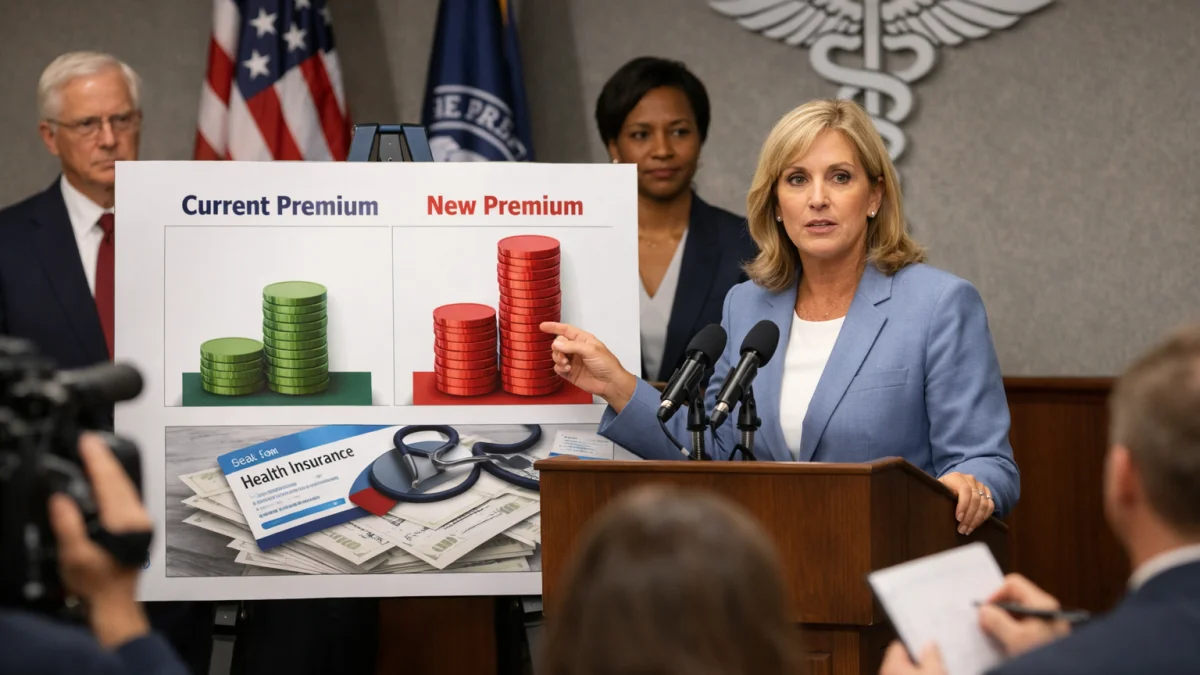


WASHINGTON — More than 20 million Americans who receive health insurance through Affordable Care Act marketplaces are facing sharply higher premium costs in 2026 following the expiration of enhanced federal subsidies, with several independent analyses indicating that out-of-pocket premium payments have increased by more than 100% on average for subsidized enrollees.
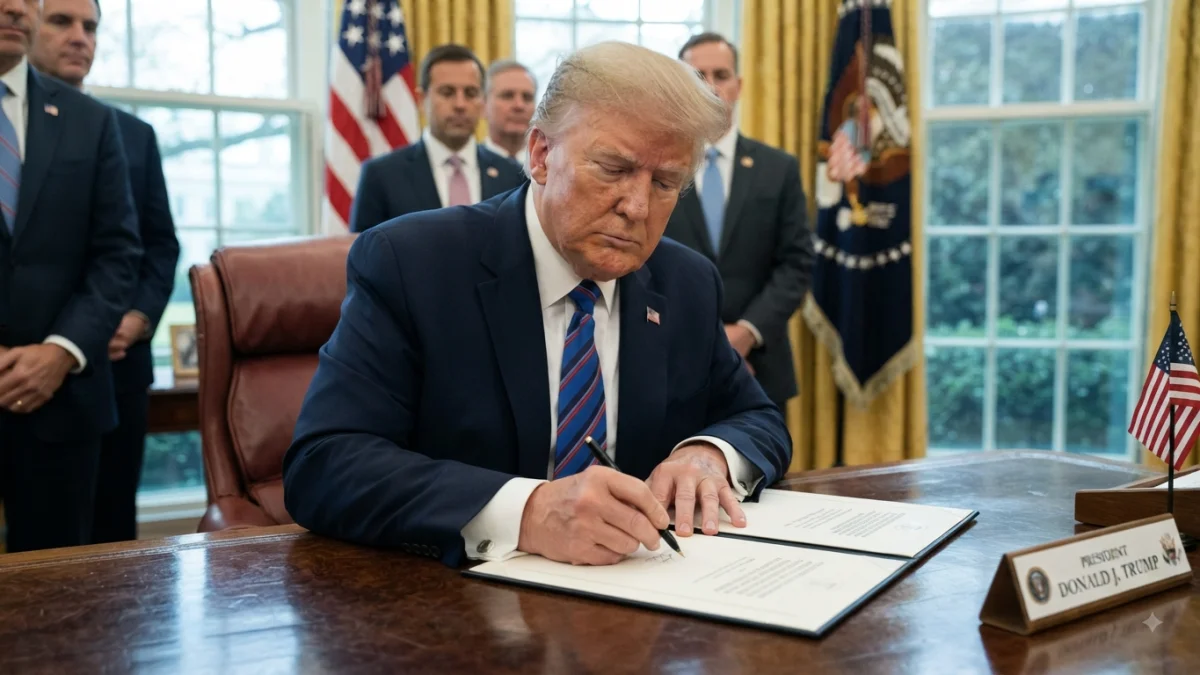
The enhanced premium tax credits, first enacted during the COVID-19 pandemic and later extended through 2025, expired at the end of last year after Congress did not renew them. Health policy researchers and federal officials have said the change is affecting millions of marketplace participants who relied on the subsidies to reduce monthly insurance costs.


According to analyses by the nonpartisan health policy organization KFF, average premium payments for subsidized marketplace enrollees are expected to rise by about 114% in 2026, effectively more than doubling for many households. KFF estimates cited by multiple news organizations indicate that roughly 22 million people were receiving subsidized coverage before the enhanced credits expired.
The Affordable Care Act marketplaces experienced record enrollment growth after the subsidies were expanded in 2021. The credits broadened eligibility and reduced costs for low- and middle-income consumers purchasing insurance on federal and state exchanges. Health policy experts have credited the subsidies with helping drive enrollment to historic highs and contributing to lower uninsured rates.
Federal data and independent forecasts suggest the loss of assistance could lead some consumers to drop coverage altogether. The Congressional Budget Office estimated that about 2.2 million people could lose health insurance in 2026 if the enhanced subsidies were not extended. The agency projected that coverage losses could continue in subsequent years.
Industry analysts have reported early signs of declining enrollment. The Centers for Medicare and Medicaid Services said marketplace enrollment for 2026 fell from the previous year, while insurers and state officials have reported increased interest in lower-cost plans as consumers seek to offset higher premiums.
Supporters of extending the subsidies argue that higher premiums could make coverage unaffordable for many families. “On average, 22 million people will see their premium payments double,” KFF Vice President Cynthia Cox told FactCheck.org when discussing the effects of the subsidy expiration.
Opponents of extending the enhanced credits have argued that the subsidies represented a temporary pandemic-era measure and have raised concerns about their long-term fiscal cost. Congress did not approve legislation to continue the expanded assistance before the expiration deadline.
As of June, federal officials had not announced plans to restore the expired subsidies. Open enrollment figures, insurer filings and future congressional action will determine the longer-term impact on coverage and premium costs, while health policy groups continue to monitor enrollment trends across the country.