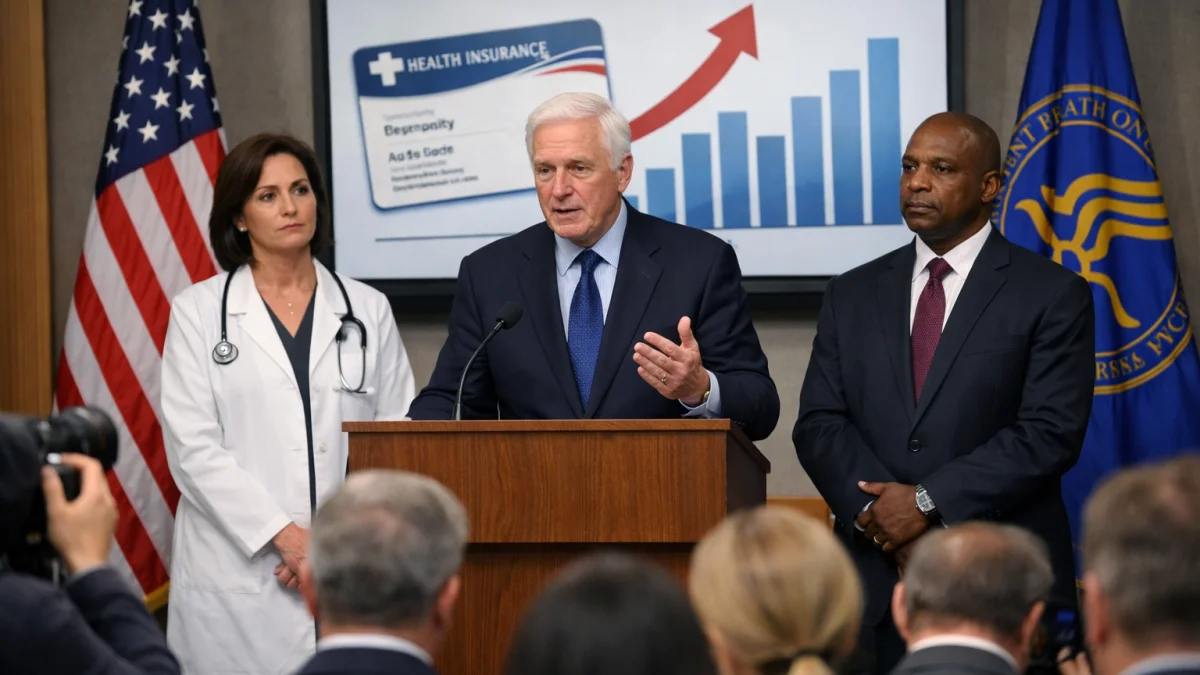


WASHINGTON — The expiration of enhanced premium subsidies under the Affordable Care Act at the end of 2025 has driven higher out-of-pocket costs for health insurance marketplace enrollees across the United States in 2026, according to federal data and analyses by health policy organizations.
More than 20 million Americans who received premium tax credits in 2025 are facing increased monthly payments as the temporary enhancements, originally introduced during the COVID-19 pandemic and extended through 2025, reverted to pre-2021 levels, officials and researchers said.


The Centers for Medicare and Medicaid Services and independent analyses indicate that average premium payments net of remaining tax credits rose substantially for many subsidized enrollees. One projection from KFF estimated that payments for those keeping the same plan would more than double on average, though actual increases were moderated as some shifted to lower-premium, higher-deductible plans and others left the market.
"Many Marketplace enrollees bought down to bronze plans with lower premiums and higher deductibles," a KFF analysis noted in May 2026, reflecting adjustments following the policy change.
The enhanced subsidies had expanded eligibility beyond 400% of the federal poverty level and capped contributions for many at a percentage of income, resulting in record enrollment. Their expiration reinstated the previous subsidy structure, including a "subsidy cliff" for higher-income households.
Insurers also implemented broader premium increases for 2026 plans, with benchmark silver plan premiums rising about 21.7% on average according to the Urban Institute, citing factors including the subsidy changes, medical cost trends, and market uncertainty.
State marketplaces reported varying impacts. In California, Covered California officials said financial help remains available under baseline ACA rules, though monthly costs are higher for many. Similar notices went out nationwide during open enrollment for the 2026 coverage year.
Enrollment has declined. Federal data showed effectuated enrollment dropping to around 17.5 million, aligning with projections of a roughly 25% contraction, according to KFF.
Consumer advocates and some Democratic lawmakers have called for restoration of the enhancements, while opponents argued the temporary measures were fiscally unsustainable. Details on potential legislative action remain unclear.
As of mid-2026, the full effects on enrollment, uninsured rates, and long-term costs continue to be monitored by the Department of Health and Human Services and independent researchers. Some enrollees qualified for alternative coverage options or adjusted plans during special enrollment periods.