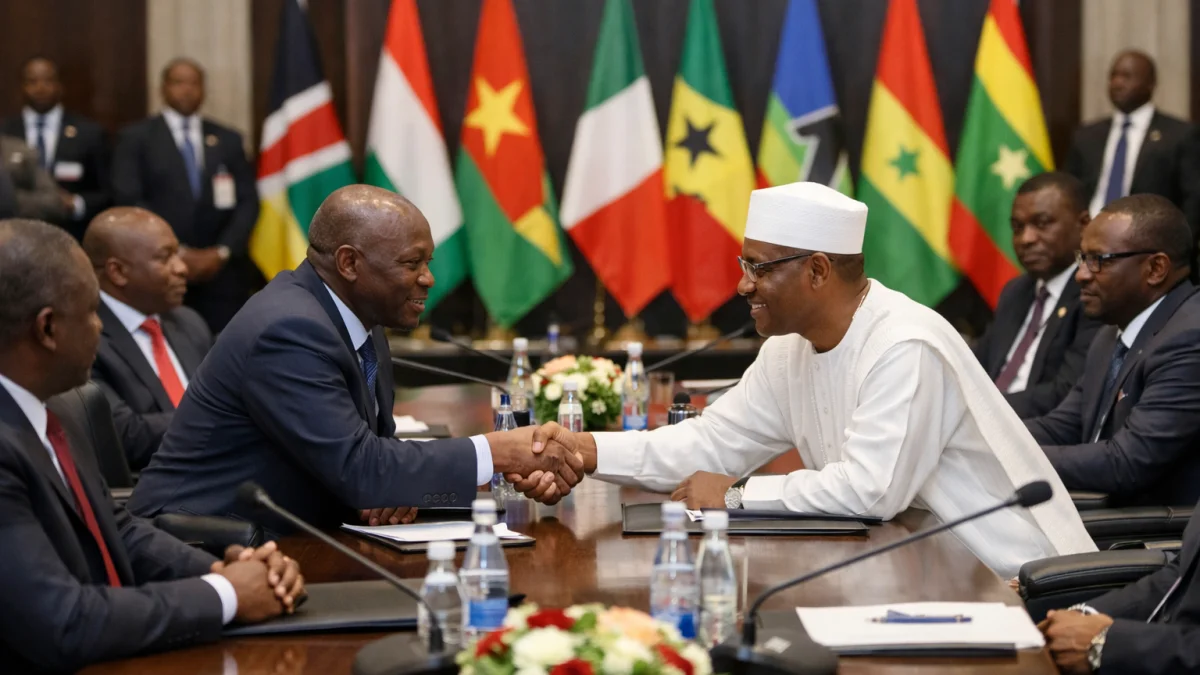


ADDIS ABABA — African nations are strengthening diplomatic cooperation through regional organizations, bilateral agreements and multilateral forums as governments seek coordinated responses to security, economic and humanitarian challenges across the continent, according to African Union and regional officials.
In recent months, leaders have used a series of summits and ministerial meetings to advance cooperation on peace and security, trade, development and regional integration. The efforts come as several regions continue to face armed conflicts, political tensions, climate-related pressures and economic challenges.


On May 13, the African Union and the United Nations reaffirmed their strategic partnership during the Tenth African Union–United Nations Annual Conference in Addis Ababa. In a joint communiqué, the organizations said they remained committed to collective action on peace, security, sustainable development and humanitarian issues.
The communiqué noted “deep concern” over armed conflicts, humanitarian crises, poverty, inequality and climate-related challenges affecting parts of the continent. AU Commission Chairperson Mahmoud Ali Youssouf and U.N. Secretary-General António Guterres said cooperation between the two organizations remained essential to addressing regional challenges, according to the statement.
Diplomatic engagement has also expanded through regional and international gatherings. In early June, foreign ministers from dozens of African countries met in Seoul for the Korea-Africa Foreign Ministers’ Meeting, where participants discussed economic cooperation, supply-chain resilience, climate issues, health and security matters, according to South Korea’s Foreign Ministry and participating governments. Representatives from the African Union, the African Development Bank and other continental institutions attended the meeting.
African governments have also pursued closer bilateral ties. Earlier this month, Kenya and South Africa signed several agreements covering trade, maritime transport, skills development, culture and other areas, with officials from both countries describing the accords as part of broader efforts to strengthen cooperation and expand intra-African trade.
Regional organizations continue to play a central role in addressing security concerns. Officials from the Economic Community of West African States (ECOWAS) said this month that insecurity remains a significant obstacle to trade and investment in parts of West Africa. “There is no doubt that political risk, particularly insecurity, hampers not only the flow of trade,” ECOWAS Private Sector and Industry officials said during a briefing ahead of a ministerial meeting.
At the same time, the African Union has welcomed diplomatic initiatives aimed at reducing tensions. In March, the AU commended Guinea, Liberia and Sierra Leone for agreeing to pursue dialogue and peaceful mechanisms to address border-related disputes through the Mano River Union framework.
As of mid-June, African governments and regional institutions continued diplomatic consultations on security, economic cooperation and development priorities. Officials said discussions remain ongoing, while several regional initiatives are expected to be reviewed at upcoming continental and international meetings.