

The arrest of a man accused of deliberately igniting one of the wildfires that devastated communities around Spokane, Washington, has highlighted a recurring challenge in understanding the western United States' wildfire crisis: while a single criminal act can trigger a destructive blaze, the scale of modern wildfire disasters is increasingly determined by broader environmental conditions, land management, and expanding development in fire-prone landscapes.
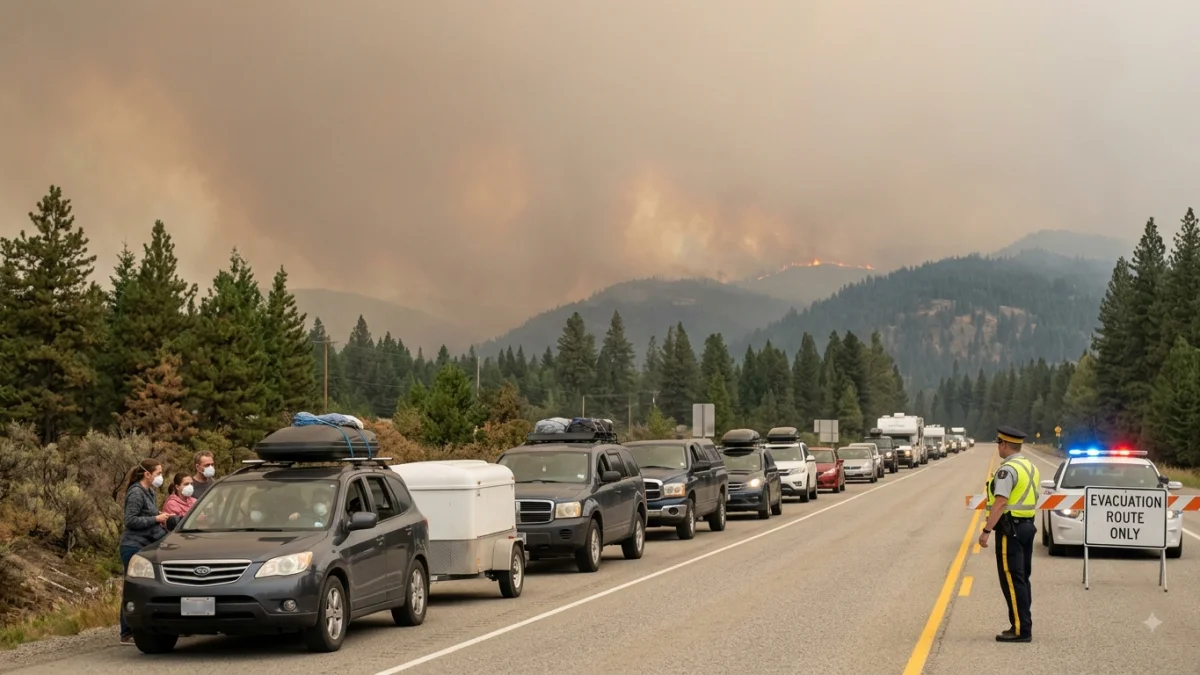
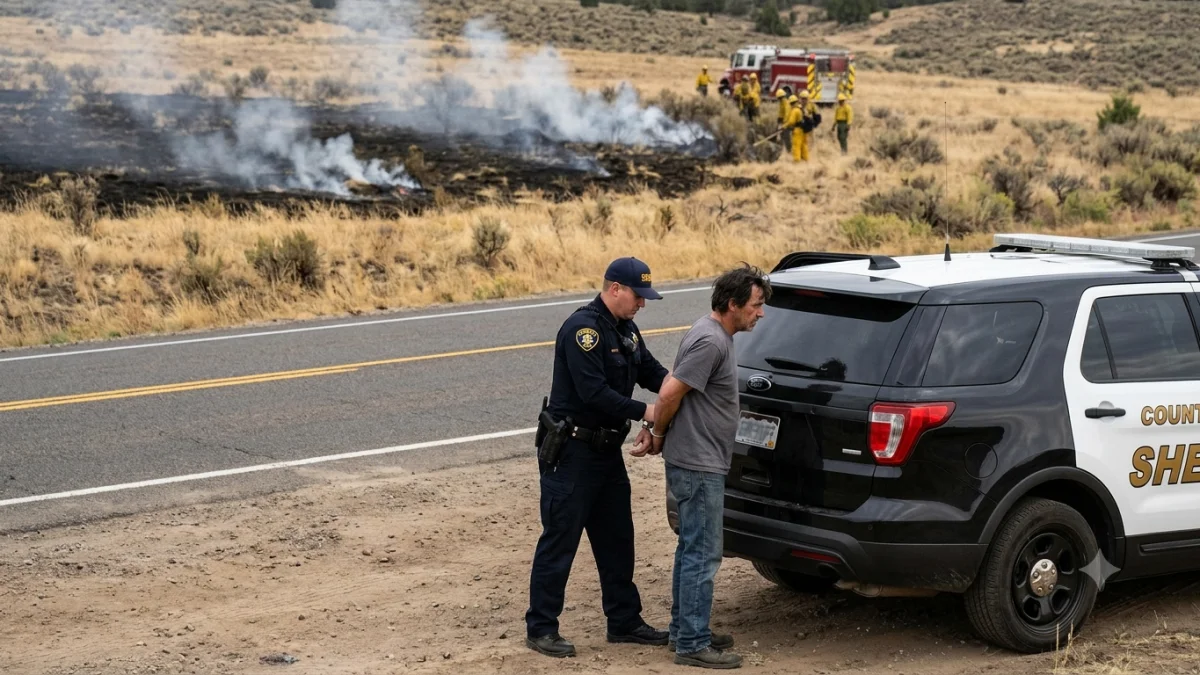
Authorities said a 37-year-old suspect was arrested on first-degree arson charges in connection with the Old Trails Fire, one of three major fires that erupted near Spokane over the weekend. Investigators alleged the fire began after witnesses observed the suspect setting dry roadside grass alight. The blaze became the most destructive of the three fires, contributing to the loss of hundreds of structures and the evacuation of more than 60,000 residents. The causes of the two other fires remain under investigation.


The arrest is significant because it confirms that at least one of the region's largest fires was allegedly caused intentionally rather than by natural forces or accidental human activity. Yet wildfire specialists have consistently cautioned that ignition is only one component of wildfire risk. Whether a fire remains limited or develops into a major disaster depends heavily on weather, fuel conditions, wind, topography and the proximity of homes and infrastructure.
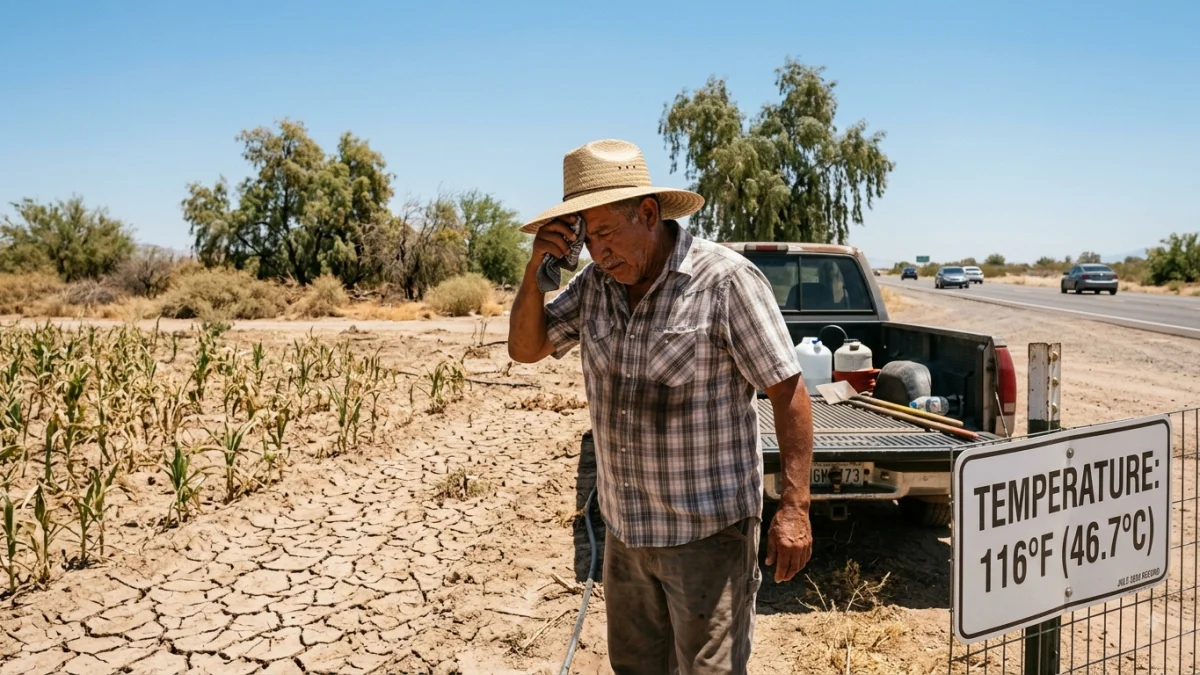
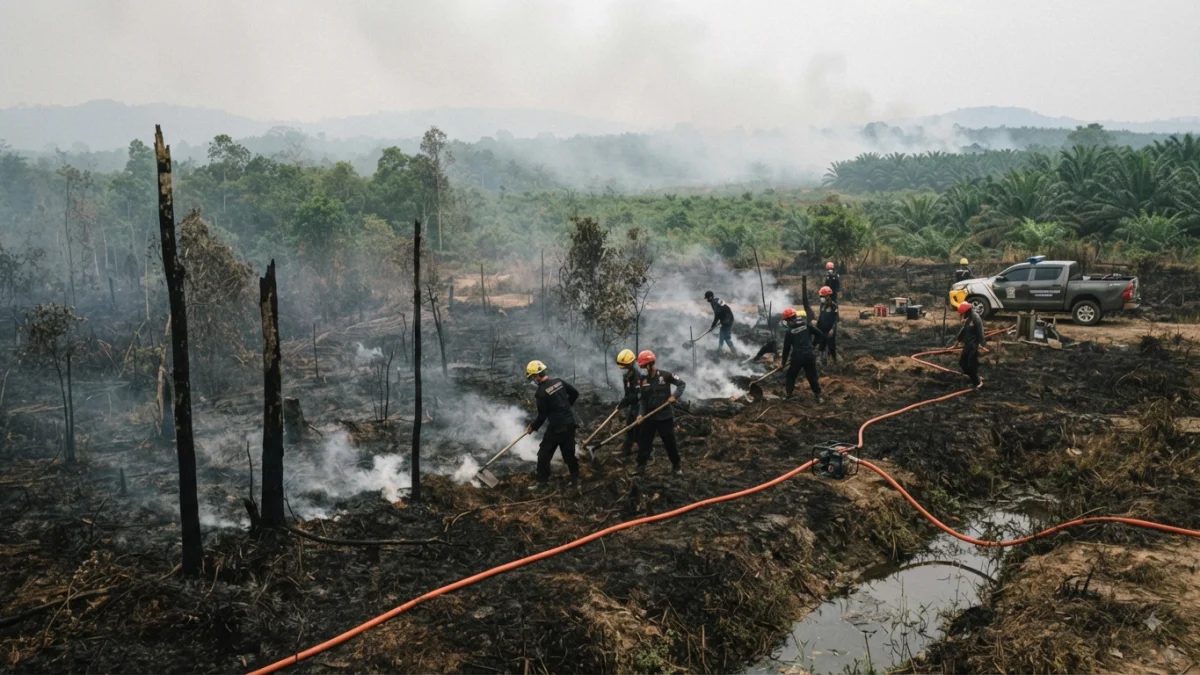
Those factors were already aligned for rapid fire growth across eastern Washington. Officials described prolonged drought, exceptionally dry vegetation, strong winds and high temperatures as creating conditions in which even relatively small ignitions could expand rapidly into fast-moving fires. Fire agencies have deployed more than 1,000 firefighters around Spokane as part of a nationwide response involving tens of thousands of personnel during one of the country's busiest fire seasons in recent years.
The distinction between ignition and fire behavior has become increasingly important in wildfire policy. Research over many years has shown that most wildfires in the United States are started by people, either accidentally or intentionally, while lightning accounts for a smaller share of ignitions. However, scientists also emphasize that climate-related changes, including higher temperatures, prolonged drought and lower fuel moisture, have increased the likelihood that individual fires become larger, more intense and more difficult to suppress.
The Spokane fires illustrate that interaction. Even if investigators ultimately determine that one blaze resulted from arson, officials have not suggested that criminal activity alone explains the broader regional emergency. More than 100 large fires have been burning across multiple western states, reflecting widespread fire weather rather than isolated criminal incidents. Federal and state agencies have repeatedly linked this year's severe conditions to persistent drought and extreme heat across much of the Pacific Northwest.
The case also underscores the growing challenge facing emergency management agencies as wildfire seasons become longer and more resource-intensive. Firefighters must prepare simultaneously for naturally caused fires, accidental human ignitions, infrastructure-related incidents and deliberate acts of arson. Investigating suspected criminal fires requires close coordination among law enforcement, fire investigators and prosecutors while suppression efforts continue under dangerous conditions.
From a legal perspective, successful prosecution of arson cases can provide accountability for individual incidents, but it does not reduce the underlying vulnerability of fire-prone regions. State and federal authorities have increasingly invested in fuel reduction, forest management, prescribed burning, community defensible-space programs and stricter building standards intended to improve resilience regardless of how fires begin.
The destruction around Spokane also reflects longer-term demographic trends. Population growth in the wildland-urban interface—where residential development borders forests and grasslands—has increased the number of homes exposed to wildfire. Once fires enter these areas, suppression becomes more complex because protecting lives and structures competes with efforts to contain advancing fire fronts.
Insurance markets, local governments and utilities are also confronting rising wildfire-related costs. Larger fires have contributed to higher insurance losses, increasing pressure on property insurance availability in some western states. Utilities continue to face scrutiny over wildfire prevention measures, while local governments must plan for rebuilding communities that experience repeated fire threats.
Public communication remains another challenge. High-profile arson arrests can generate public attention and, in some cases, encourage broader claims that criminal acts are the primary cause of major wildfire seasons. Fire scientists and emergency officials have consistently warned against drawing such conclusions from individual cases, arguing that ignition sources vary while the environmental conditions governing fire spread affect fires regardless of how they begin.
The Spokane investigation therefore represents two parallel realities. If prosecutors prove the allegations, an intentional act may have initiated one of the region's most destructive fires. At the same time, officials and researchers continue to point to drought, extreme weather, dry fuels and expanding exposure of communities as the conditions that transformed individual ignitions into a regional emergency.
The immediate focus remains on containing the Spokane-area fires, assessing damage and determining whether additional casualties or losses occurred as evacuated residents gradually return. Investigators continue examining the origins of the remaining fires, while emergency officials are monitoring weather conditions that could either aid containment or allow renewed fire growth later in the week.