

DETROIT—Automakers, suppliers and labor groups are closely watching the future of idled manufacturing plants as the United States continues negotiations with its North American trading partners over proposed changes to regional trade rules that could reshape investment decisions across the auto industry.
The talks have drawn particular attention because Washington is seeking stricter automotive rules of origin under the U.S.-Mexico-Canada Agreement (USMCA), including new requirements aimed at increasing U.S.-sourced content in vehicles assembled in North America. Industry participants say the outcome could influence whether manufacturers expand existing facilities, reopen shuttered plants or continue concentrating production at current sites.


The Office of the United States Trade Representative and Mexico's Economy Ministry completed an initial negotiating round in late May covering automotive rules of origin, steel and aluminum trade, and economic security. According to the USTR, subsequent discussions have focused on agriculture and measures intended to create what it described as "a level playing field," with another negotiating round scheduled in Mexico City during the week of July 20. Canada has not participated in the bilateral U.S.-Mexico discussions to date.
Following the first round of negotiations, the USTR said the United States concluded discussions "with the goals of reducing the trade deficit with Mexico and strengthening American supply chains." The agency has also said the administration's broader objective is to encourage production and jobs within the United States.
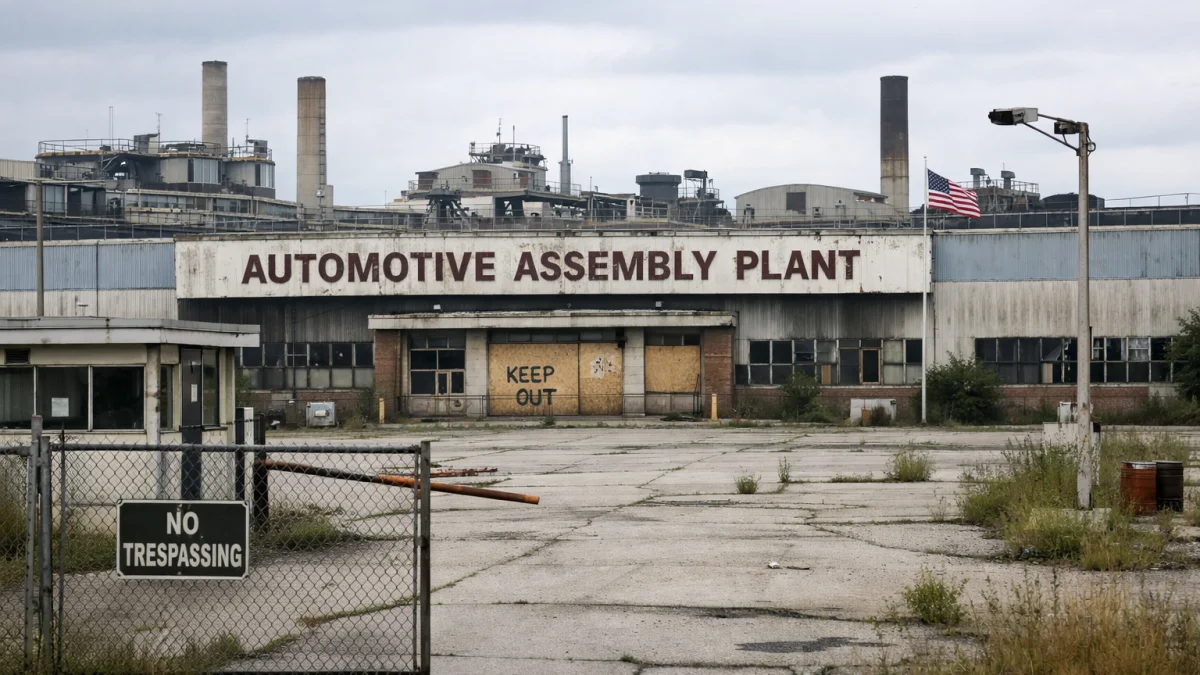
Automakers have not publicly committed to reopening specific shuttered plants as negotiations continue. Several manufacturers have previously said that major production decisions require long planning cycles and depend on market demand, regulatory conditions and trade policy. No official announcements regarding the reopening of idled U.S. assembly plants had been made as of Sunday.
The broader review of the USMCA comes as uncertainty persists over the agreement's future timetable. People familiar with the process have told media outlets that the three countries are expected to miss a July 1 milestone for formally extending the pact, triggering annual reviews while negotiations continue rather than ending the agreement. Under the treaty's terms, the agreement would remain in force unless a party withdraws.
President Donald Trump said on June 17 that he would prefer not to have the current trade agreement but remained open to signing a revised accord. "I would rather not have the agreement, but I may sign it," Trump told reporters in France, according to publicly reported remarks. Officials have confirmed that additional negotiating sessions are planned, with the next formal U.S.-Mexico round scheduled for the week of July 20.