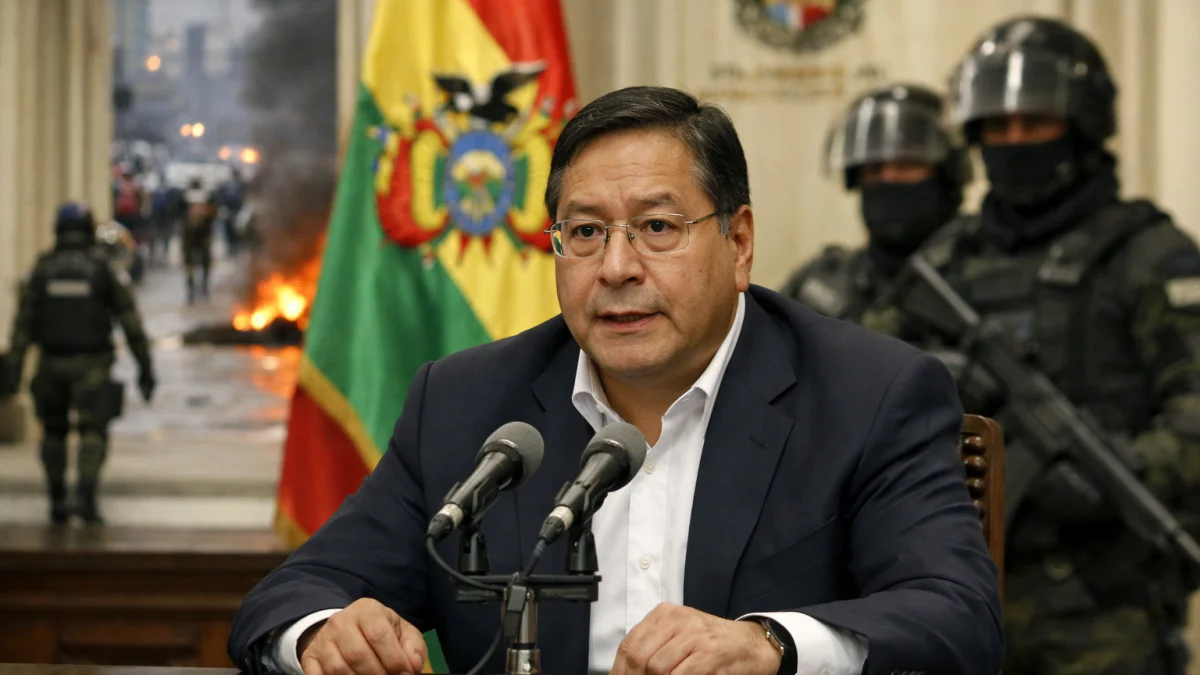


LA PAZ — Bolivian President Rodrigo Paz declared a state of emergency on Saturday in response to weeks of anti-government protests and nationwide road blockades that have disrupted supplies of fuel, food and medical goods, according to government officials and presidential statements. The measure authorizes the use of additional security resources, including military support, to restore transportation routes and essential services.
The emergency declaration follows nearly 50 days of demonstrations led by labor groups, Indigenous organizations, rural associations and supporters of former president Evo Morales. Protesters have opposed government austerity measures, including the reduction of fuel subsidies, and have demanded action on rising living costs. Some groups have also called for Paz’s resignation.


In a televised address, Paz said the blockades had become a threat to public welfare and democratic institutions. “We cannot allow the country to remain paralyzed,” he said, according to statements reported by Reuters. He described the emergency decree as a measure intended to restore the flow of essential goods and maintain public order.
The government said shortages linked to the blockades have affected major cities, including La Paz and neighboring El Alto. Officials reported disruptions to fuel deliveries, food distribution and medical supply chains. Hospitals and businesses have also faced operational difficulties as transportation routes remained blocked.
The declaration came hours after the government announced an agreement with the Bolivian Workers' Confederation (COB), one of the country’s largest labor organizations. The accord was presented as an effort to reduce tensions, but several protest groups were not part of the negotiations and said demonstrations would continue. Rural organizations aligned with Morales criticized the agreement and maintained demands that include the release of detained protesters and broader economic relief measures.
Human rights advocates and opposition figures have expressed concern about the potential use of military forces in crowd-control operations. Recent legislation established a legal framework allowing the government to deploy the armed forces during a declared emergency, though officials have said constitutional protections remain in place.
Authorities have reported fatalities and injuries during the unrest, but figures vary among official and independent sources. Reuters, citing Bolivia’s ombudsman, reported that at least 14 people had died during the crisis, while other reports cited higher totals. Details regarding individual incidents remain unclear.
As of Saturday evening, security forces were preparing operations to reopen key highways and protect infrastructure, according to government officials. Protest leaders said they would continue demonstrations, while Congress was expected to review the emergency decree under procedures established by Bolivian law.