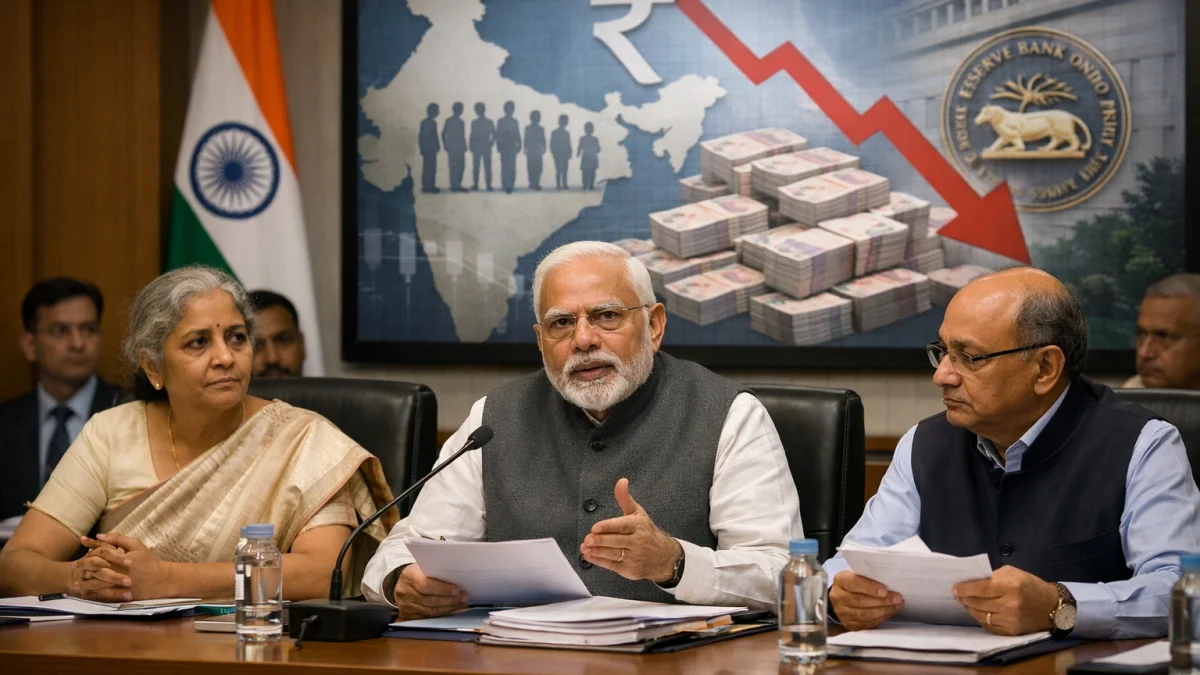


NEW DELHI — India's state governments have sharply expanded unconditional cash transfer programs in recent years, providing direct financial support to millions but raising concerns about long-term fiscal sustainability, according to official assessments and analysts.
Allocations for such schemes have grown significantly, with federal and state spending rising more than 20 times from under $2 billion in 2015 to nearly $30 billion recently, data from ProjectDEEP showed. These transfers now account for just under 1% of India's GDP and over 10% of social sector spending.


The Economic Survey of India 2025-26 described unconditional cash transfers as a "key driver" of fiscal stress for states, noting that about half of those implementing such programs were in revenue deficit. The number of states running these schemes increased more than fivefold between fiscal year 2023 and 2026.
Many states have introduced monthly cash payments, particularly to women, ahead of elections. Unconditional cash transfers to women rose from 0.03% of GDP in fiscal 2022 to 0.47% in fiscal 2026 budget estimates, according to reports. States like West Bengal and Delhi allocated notable shares of their revenue expenditure to these programs.
"Cash transfers are a major welfare tool but they come at a huge cost, raising concerns about their long-term efficacy," a BBC analysis of the trend stated, citing experts and official data.
Proponents highlight immediate relief for poor households, improved consumption, and better spending on health and education. Critics, including the Economic Survey, warn that persistent schemes financed partly through higher borrowing and expenditure switching could crowd out growth-enhancing investments. State market borrowings rose notably in fiscal 2026, with several cash-transfer states recording double-digit growth.
Details on the precise nationwide fiscal impact and long-term outcomes of the expanded programs remain under review. The central government has maintained relatively disciplined finances, but state-level trends have drawn attention.
As of June 2026, governments continued implementing these schemes amid ongoing debates about balancing welfare support with fiscal prudence. Officials have not outlined major nationwide adjustments to the programs in response to the concerns raised in the Economic Survey.