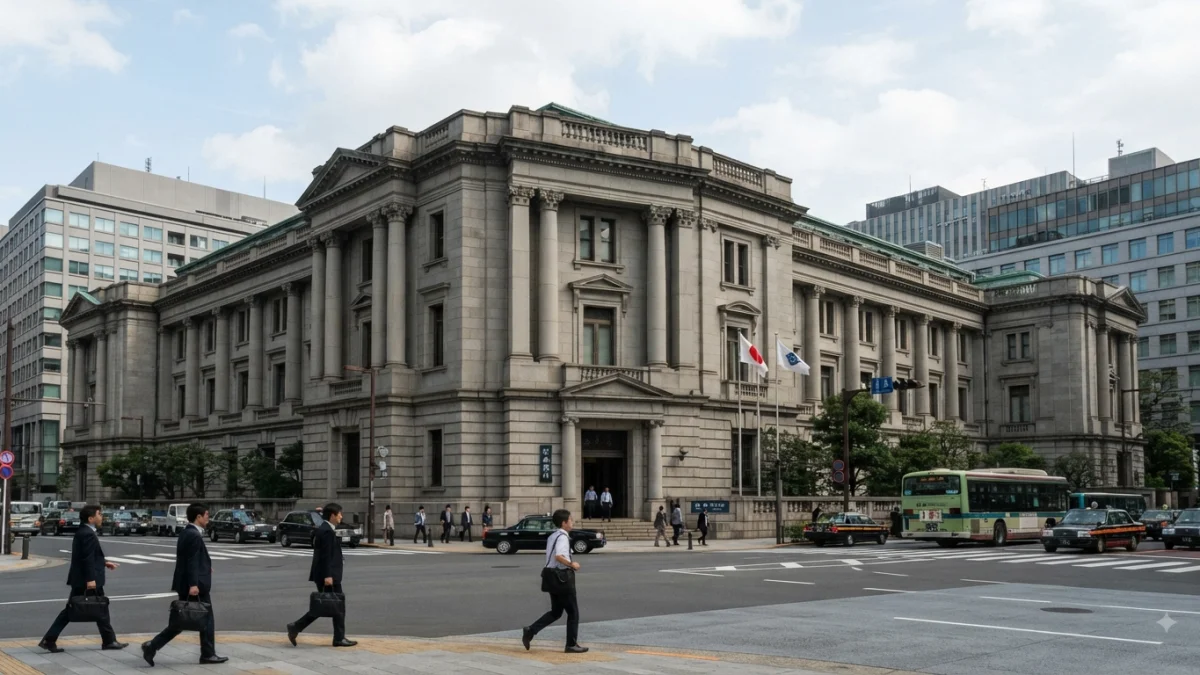


WASHINGTON — The central bank on Tuesday announced an unexpected increase in its benchmark interest rate, citing a recent acceleration in inflation and persistent price pressures across several sectors of the economy, officials said.
In a statement released after a scheduled policy meeting, the bank said it had raised its key lending rate by a quarter of a percentage point, marking the first increase in several months. The decision surprised many economists and investors, who had expected policymakers to leave rates unchanged amid signs of slowing economic growth.


Central bank Governor Maria Ellis said inflation remained “significantly above” the institution’s target and required additional action to prevent broader price instability.
“Recent data indicate that inflationary pressures have become more widespread than previously anticipated,” Ellis said during a press briefing. “The committee judged that a further adjustment in monetary policy was necessary to support price stability.”
Officials pointed to rising housing, food and energy costs as contributing factors behind the decision. The bank also said wage growth and strong consumer demand had continued to place upward pressure on prices in recent months.
Government data released earlier this month showed annual inflation accelerating to its highest level in more than a year, exceeding forecasts from several private-sector analysts. Details on the pace of future rate increases remain unclear, although policymakers signaled they would continue to monitor incoming economic data.
Financial markets reacted sharply following the announcement. Major stock indexes fell in afternoon trading, while government bond yields rose as investors adjusted expectations for borrowing costs. Currency markets also showed increased volatility after the decision.
Business groups expressed concern that higher interest rates could weigh on investment and household spending. The National Manufacturers Association said in a statement that additional borrowing costs could create challenges for companies already facing elevated operating expenses.
Labor representatives, meanwhile, said persistent inflation had continued to erode purchasing power for workers. “Families are struggling with the rising cost of everyday goods,” the Federation of Trade Unions said, calling for measures to support wages and employment.
Several economists said the move reflected growing concern among policymakers that inflation could remain elevated longer than expected. Others noted that tighter monetary policy may increase pressure on heavily indebted households and businesses.
The central bank said future policy decisions would depend on inflation trends, labor market conditions and broader financial developments. Officials are scheduled to hold their next policy meeting in the coming weeks.