

WASHINGTON — The U.S. Centers for Medicare & Medicaid Services (CMS) has issued updated guidance for states implementing new Medicaid work requirements, providing additional direction on exemptions for individuals deemed medically frail as states prepare for nationwide eligibility changes scheduled to take effect in 2027.
The guidance, released through an interim final rule on June 1, outlines how states should administer a federal requirement that certain adult Medicaid beneficiaries complete at least 80 hours per month of work, education, job training, community service or other qualifying activities to maintain coverage. CMS said the rule also establishes standards for determining which individuals qualify for exemptions, including those considered medically frail.


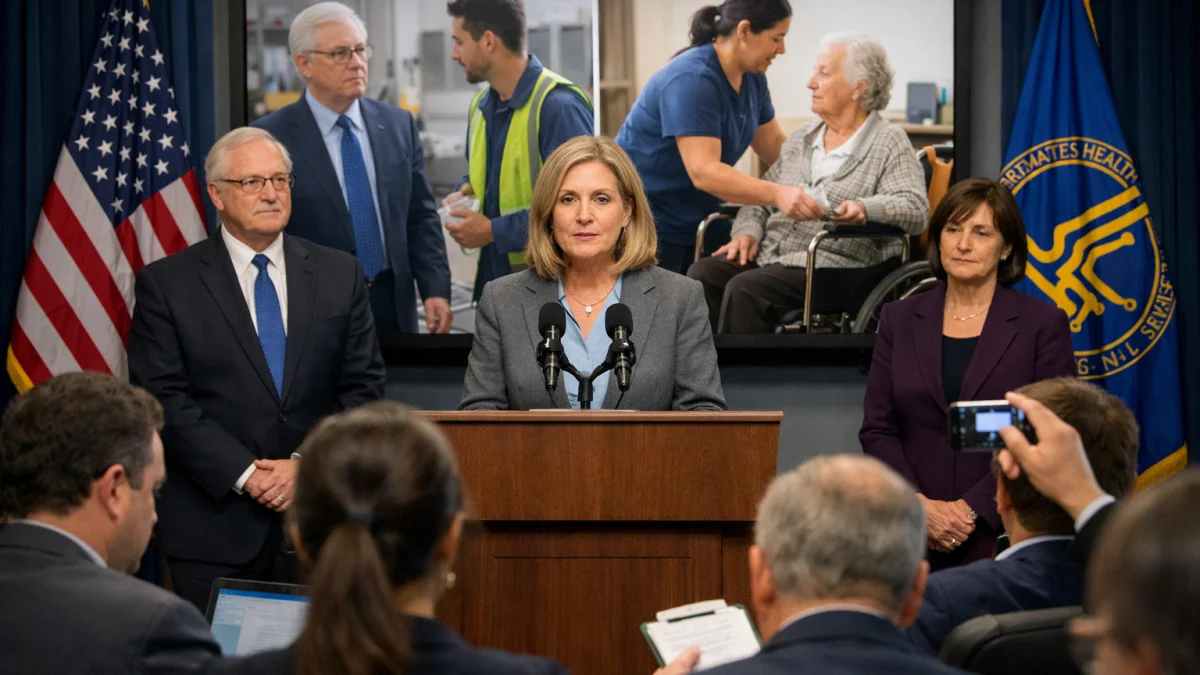
CMS Administrator Mehmet Oz said the agency was working with states to implement provisions enacted under federal legislation approved in 2025. “This rule helps Americans build skills and independence through work, education, job training, or community service,” Oz said in a statement announcing the framework.
According to CMS, individuals who are pregnant, postpartum, disabled, medically frail, caregivers of young children, or already meeting certain federal assistance program requirements are exempt from the work mandate. The agency said states must establish processes to identify and verify exemption eligibility while relying on existing electronic records whenever possible.
The issue of medical frailty has emerged as one of the most closely watched aspects of the new policy. CMS defines medically frail individuals as those with serious or complex medical conditions, disabling mental health conditions, substance-use disorders, disabilities, or other health circumstances that substantially limit their ability to comply with work requirements. States are required to assess exemption requests using standards outlined in the federal rule.
Health policy groups and state Medicaid agencies have sought clarification on how those standards will be applied in practice. Researchers at KFF said before the rule was issued that many states had not finalized their definitions of medical frailty and were awaiting federal guidance on eligibility and verification procedures.
Some advocacy organizations have expressed concern that individuals with serious illnesses could face administrative hurdles in proving exemption eligibility. KFF analysts said the final CMS approach adopted a narrower definition than some states had anticipated and could require additional documentation in certain cases.
CMS officials have said states should first use available claims data and other electronic records before requesting additional information from beneficiaries. The agency also said self-attestation will be permitted during an initial implementation period before stricter documentation requirements are phased in.
The work requirements are scheduled to take effect no later than Jan. 1, 2027, although some states may move earlier. CMS said it will continue accepting public comments on the interim rule and provide additional technical assistance as states prepare for implementation.