

LINCOLN, Nebraska — Communities affected by recent wildfires, severe storms and flooding across parts of the United States are assessing recovery needs and beginning damage evaluations as emergency officials continue response operations and residents return to affected areas, according to state and local authorities.
In Nebraska, where the South Fork Fire prompted evacuations and burned across a large area of Dawes County, local officials said recovery planning had begun alongside ongoing firefighting efforts. Emergency managers were working with state agencies to assess damage to homes, agricultural land and public infrastructure, while some evacuation orders remained in effect in areas near the fire zone. Authorities said a full accounting of losses had not yet been completed.


Similar assessments were underway in communities affected by severe storms in parts of the Midwest and Plains. Local governments reported damage to power infrastructure, roads and private property following recent weather systems that brought strong winds, heavy rainfall and tornado warnings. Utility companies continued restoration work in several locations, according to public statements issued on Monday.
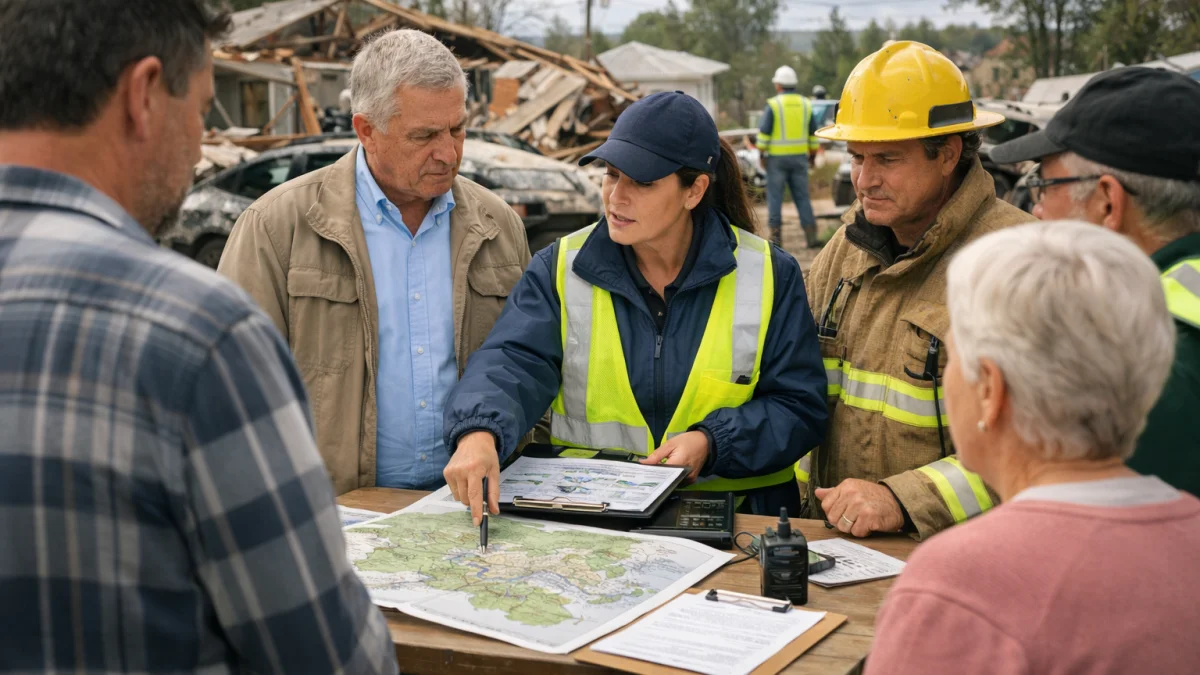
Federal and state emergency agencies said recovery efforts were focused on restoring essential services and determining eligibility for potential disaster assistance programs. The Federal Emergency Management Agency (FEMA) said damage assessments are a key step in evaluating requests for federal support following major disasters.
“Recovery begins with understanding the scope of the damage,” FEMA officials said in guidance provided to affected communities. Authorities encouraged residents to document property damage and report losses through official channels as assessments continue.
Local nonprofit organizations, volunteer groups and community associations have also mobilized to provide temporary housing, food assistance and cleanup support. Officials said coordination among public agencies and charitable organizations would be important as communities move from emergency response to longer-term recovery efforts.
The recent disasters occurred as parts of the western and central United States entered a period of elevated wildfire risk and severe weather activity. The National Weather Service and state emergency agencies have continued to issue warnings regarding fire danger, thunderstorms and flooding risks in some regions, complicating recovery operations.
Residents returning to damaged areas have been urged to follow safety guidance. Emergency officials warned that hazards such as weakened structures, downed power lines and unstable terrain may remain even after evacuation orders are lifted. In some locations, authorities restricted access to heavily affected zones while inspections are completed.
Community leaders have also begun discussions regarding rebuilding priorities, including infrastructure repairs and support for displaced residents. Details regarding long-term funding needs remain unclear, and officials said comprehensive assessments could take several weeks to complete.
As of Monday, emergency management agencies continued conducting damage surveys and coordinating assistance efforts. Authorities said recovery operations were expected to continue for an extended period, with additional information on aid programs and rebuilding plans to be released as assessments progress.