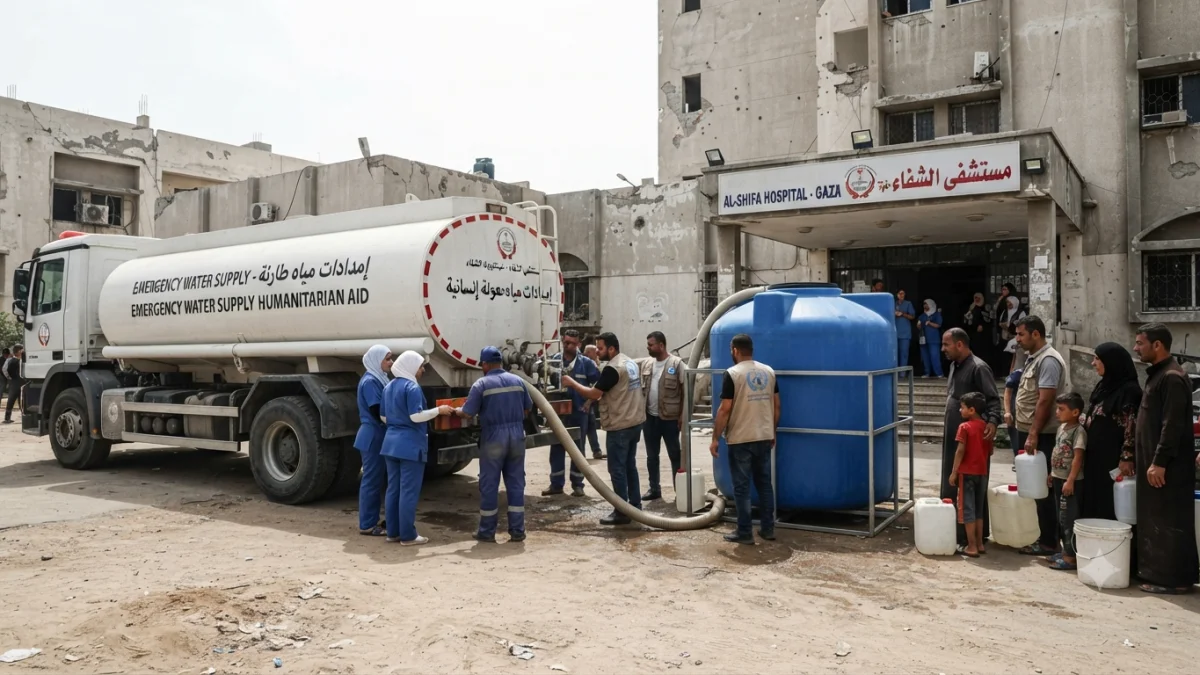


SAN JUAN — Puerto Rico's water authority is prioritizing hospitals and long-term care facilities for emergency water deliveries as the U.S. territory began rotating water outages on Friday amid a severe drought and critically low reservoir levels.
The Puerto Rico Aqueduct and Sewer Authority said it would deploy water trucks to communities affected by the rationing, with essential facilities receiving priority. The agency also advised residents to boil water for at least three minutes after service resumes as a precaution against possible contamination.


The rationing affects seven municipalities supplied by the Carraizo reservoir, including San Juan, and requires customers in affected zones to alternate between periods with and without running water. Authorities said some residents will face outages lasting up to 48 hours at a time. The measures are scheduled to continue through at least the end of August, although officials have not set a firm end date.
The emergency measures come as Puerto Rico confronts worsening drought conditions. San Juan recorded its driest July since records began more than a century ago, while nearly 68% of the territory was experiencing drought conditions, according to figures cited by Reuters from the U.S. Drought Monitor.
The National Oceanic and Atmospheric Administration's outlook calls for a greater than 70% chance of below-normal rainfall and above-normal temperatures in Puerto Rico from August through October, according to Reuters. A strengthening El Niño pattern is expected to reduce the tropical weather systems that normally contribute to late-summer rainfall.
Governor Jenniffer Gonzalez has said the duration of the rationing remains uncertain. In a statement cited by Reuters, she attributed the emergency to the climate conditions facing the territory and warned that the situation could persist.
More than 180,000 customers were expected to be affected by the rotating outages, according to the Associated Press. Officials have also arranged trucked water for other critical facilities, including homes for elderly residents.
Authorities are urging residents to conserve water during periods when service is available and avoid non-essential uses such as washing cars and watering lawns. The latest official plan remains focused on maintaining supplies to essential facilities while rotating household water access through the end of August.