

NEW YORK — Several major U.S. companies have introduced fuel surcharges and adjusted fees in recent days as higher energy and shipping costs linked to the Iran conflict ripple through supply chains.
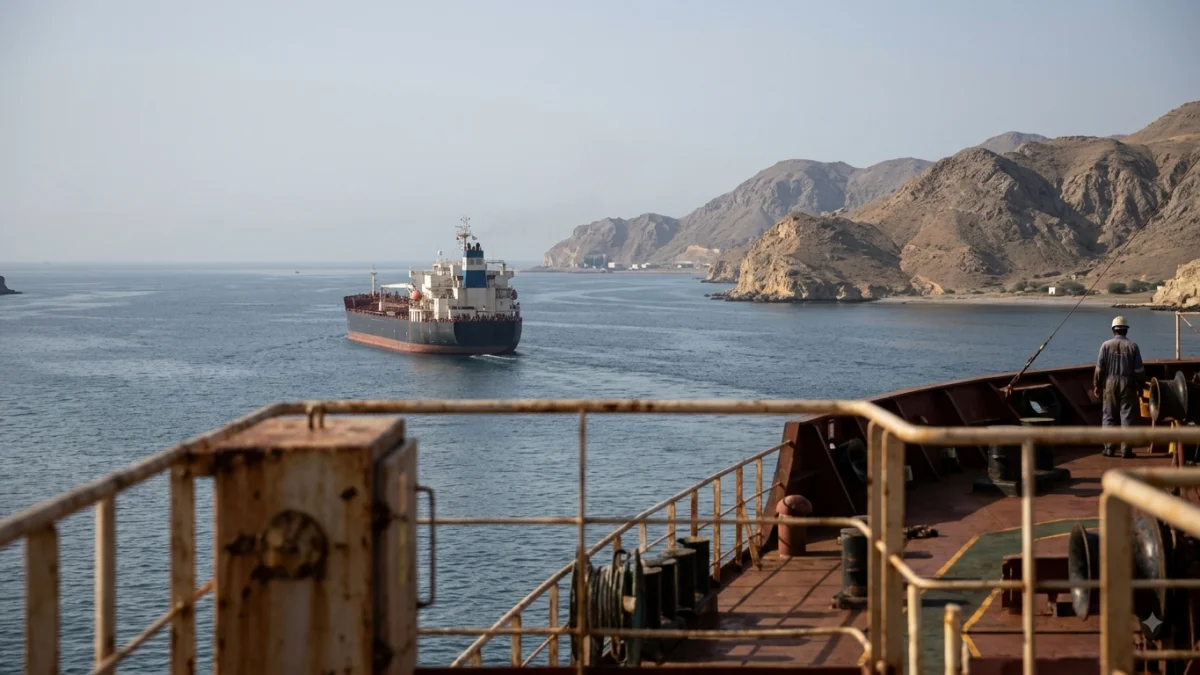
Airlines, online retailers and delivery services cited rising diesel and jet fuel prices following disruptions in the Persian Gulf region after the escalation that began in late February. The conflict has led to attacks on energy infrastructure and reduced tanker traffic through the Strait of Hormuz, a key chokepoint for global oil shipments, according to shipping and energy market reports.


Amazon announced a 3.5 percent fuel and logistics surcharge for sellers this week, citing increased transportation costs. United Airlines and JetBlue raised checked baggage fees, while the U.S. Postal Service requested an 8 percent surcharge on package and express deliveries, industry executives and filings showed.
“These adjustments help offset the sharp rise in fuel expenses we are seeing across our network,” a JetBlue spokesperson said in a statement.
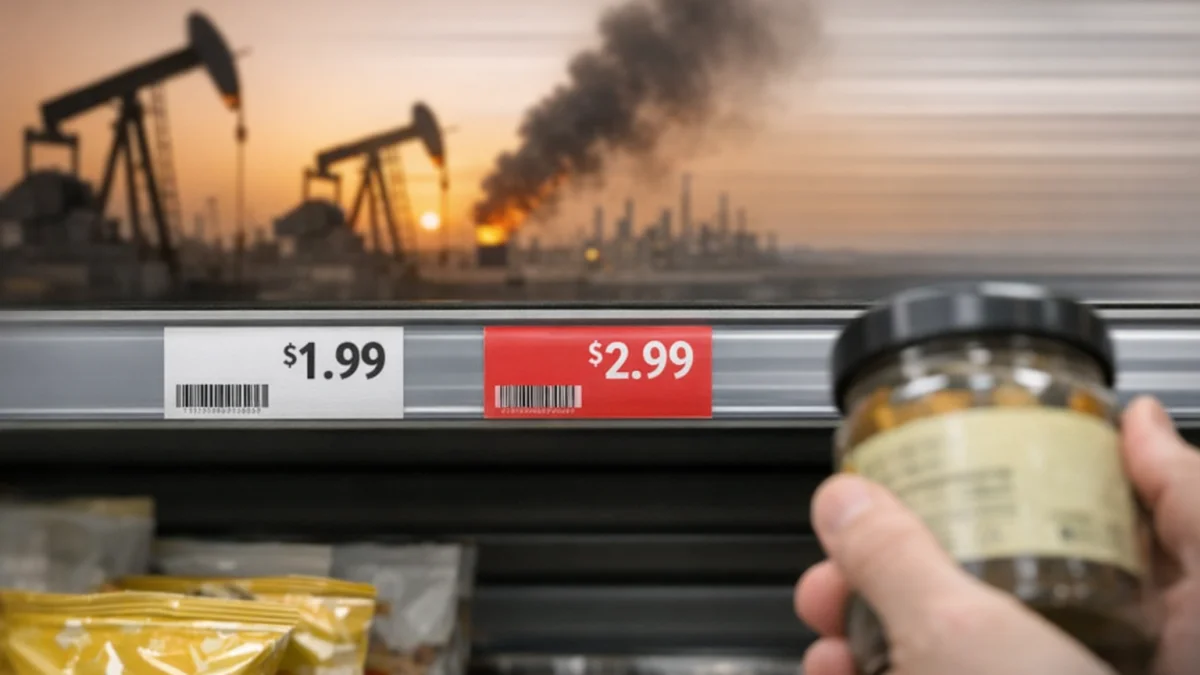
Oil prices have surged since the escalation, with Brent crude rising significantly amid supply concerns, according to market data. Diesel prices in the U.S. have climbed more than 40 percent from pre-conflict levels in some periods, contributing to higher operating costs for freight and logistics firms, analysts and company reports indicated.
The moves represent one of the more visible ways businesses are responding to elevated costs. Some companies have also altered policies in less direct ways, such as raising minimums for free shipping or reducing promotional discounts, according to consumer and retail observers. Details on the full extent of such changes across smaller businesses remain unclear.
The conflict has disrupted shipping routes, prompting some vessels to reroute and increasing insurance and freight rates. These factors have added pressure on input costs for goods ranging from consumer products to food, though the precise pass-through to retail prices varies by sector and company.
Economists have noted that energy costs typically form a portion of overall inflation measures, with potential effects on broader consumer prices. However, many businesses, particularly smaller ones, face challenges in fully passing on higher expenses without affecting demand.
As of Tuesday, companies continued to monitor developments in the Middle East. No widespread reports of major supply shortages in U.S. consumer markets had emerged, though logistics delays were noted in some sectors.
The surcharges and fee adjustments are subject to change based on future fuel price movements and the duration of disruptions. Industry groups said they expected ongoing volatility in energy markets in the coming weeks.