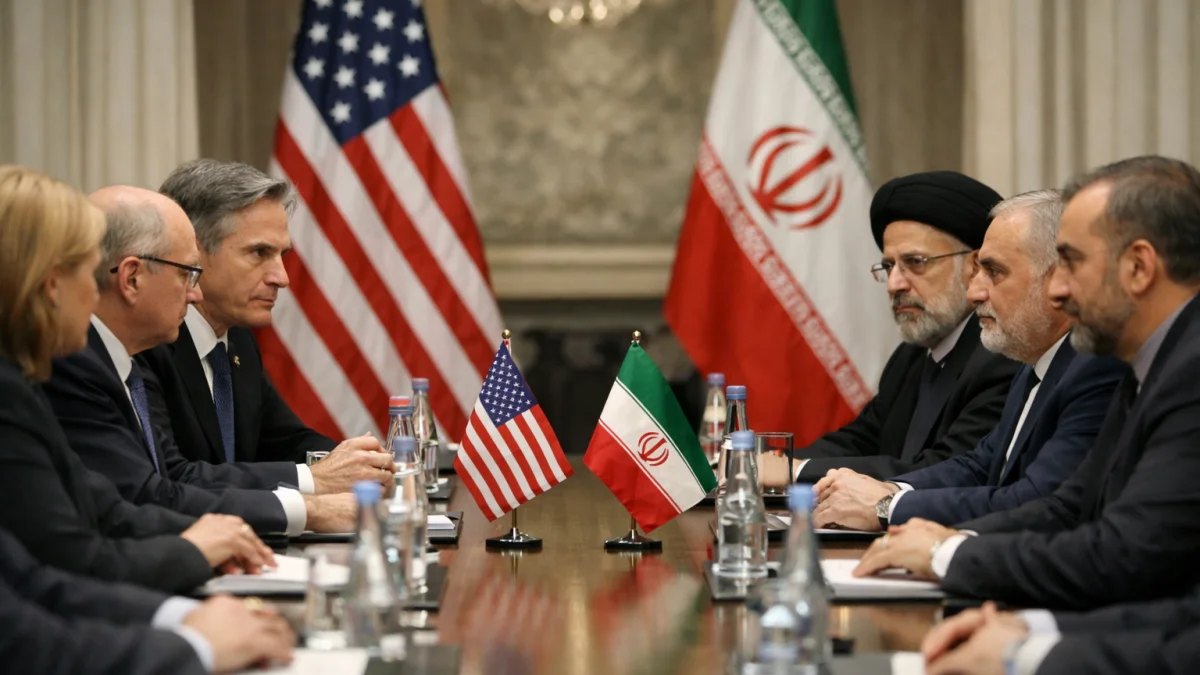


WASHINGTON — Conflicting accounts from U.S., Iranian and regional officials emerged on Friday over the contents of a proposed agreement intended to end months of hostilities between Washington and Tehran, even as both sides signaled that a deal could be reached within days.
Senior U.S. administration officials said negotiators had agreed on the text of an initial memorandum of understanding and were preparing for a possible signing in the coming days. Iranian Foreign Minister Abbas Araqchi also said an agreement “has never been closer,” while cautioning that changes to the draft remained possible.


Despite those statements, uncertainty persisted over key provisions. U.S. officials have described the emerging accord as including commitments to dismantle Iran’s nuclear program, remove or destroy enriched nuclear material and reopen the Strait of Hormuz to commercial traffic. They have also said sanctions relief and access to frozen Iranian assets would be linked to Iranian compliance with the agreement.
Iranian officials and state media have presented a different account. Reports carried by Iran’s official news agency indicated that Tehran does not intend to surrender control over traffic management in the Strait of Hormuz and views future negotiations as covering sanctions relief, compensation claims and its civilian nuclear program. Iranian media reports also differed from U.S. descriptions regarding the handling of enriched uranium and the scope of future obligations.
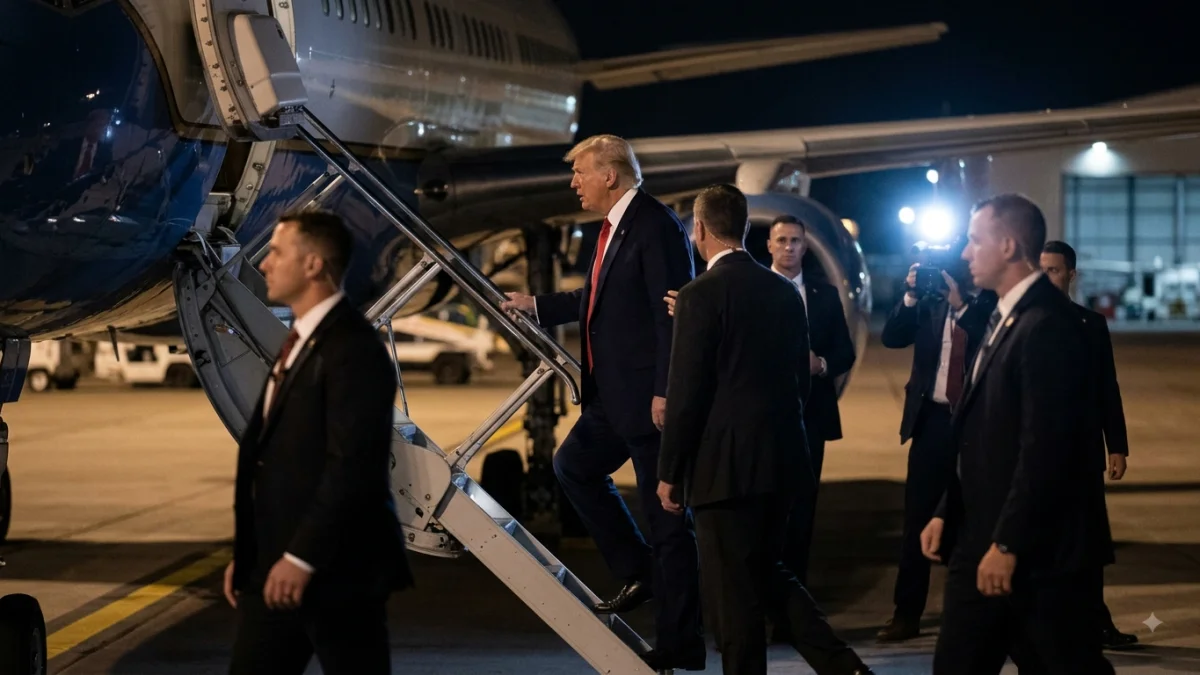
The differing narratives prompted public exchanges between the two governments. U.S. President Donald Trump criticized Iranian officials on Friday, accusing Tehran of releasing inaccurate descriptions of the proposed agreement. Iranian officials, meanwhile, said discussions were continuing and that no final conclusion had yet been reached.
Regional mediators also offered varying assessments. Pakistan’s Prime Minister Shehbaz Sharif said on social media that the “final, agreed upon text” of a peace deal had been reached and that Islamabad was working with both parties on next steps. Neither Washington nor Tehran immediately confirmed that characterization, although both acknowledged substantial progress in negotiations.
The talks follow months of conflict that disrupted shipping through the Strait of Hormuz and heightened tensions across the Middle East. Even as diplomatic efforts advanced on Friday, military incidents continued, with U.S. forces reporting that they had intercepted Iranian drones near the strategic waterway, according to officials familiar with the matter.
As of Saturday, no agreement had been formally signed. Officials from both countries said negotiations were continuing, while details of the final terms remained unclear.