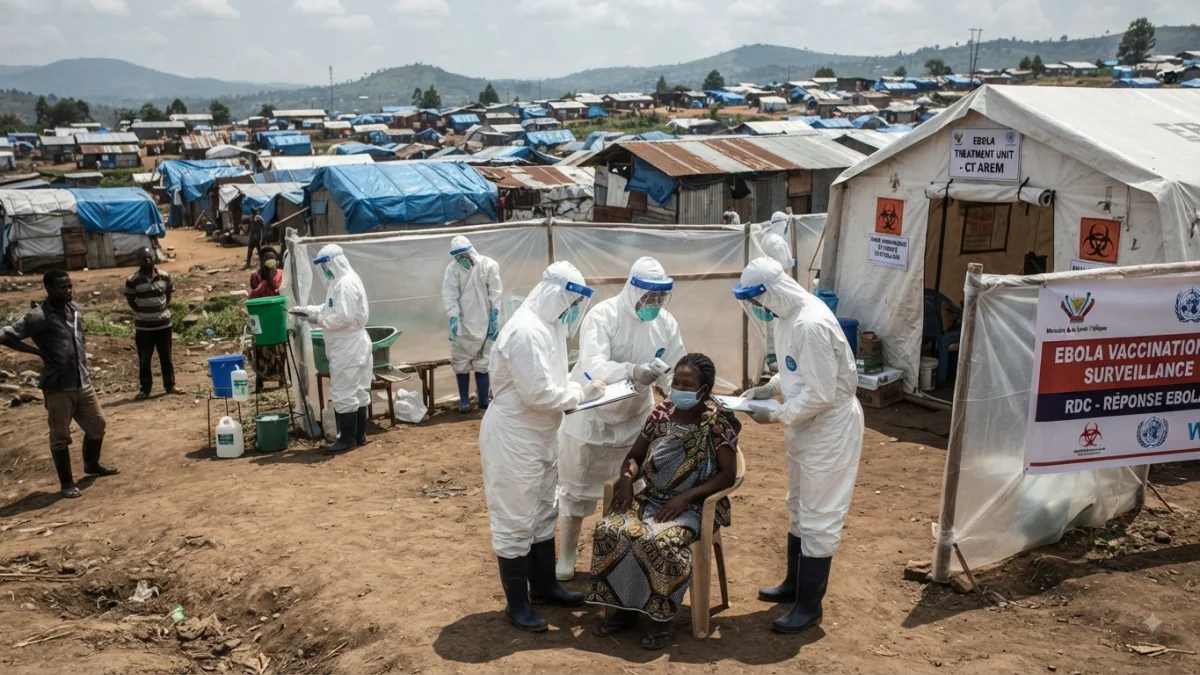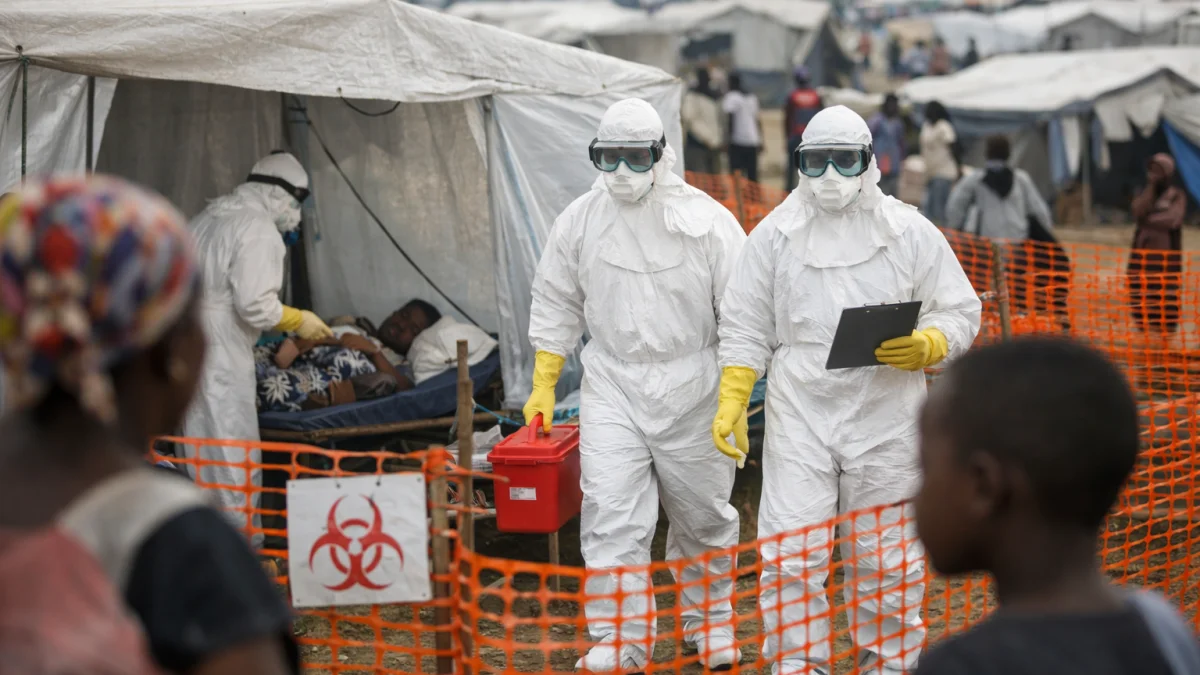


BUNIA, Congo — The Ebola outbreak in eastern Democratic Republic of the Congo has spread to a crowded displacement camp, with health officials confirming at least two related deaths among internally displaced people, the United Nations refugee agency said on Thursday.
The victims, reported as a mother and daughter, died in the Kpangba camp in Ituri province, which shelters about 30,000 displaced people, according to the U.N. High Commissioner for Refugees. The development has heightened concerns over rapid transmission in densely populated sites with limited sanitation.


The outbreak, caused by the Bundibugyo strain of the Ebola virus, was first confirmed in May in Ituri province and has since affected multiple health zones in Ituri, North Kivu and South Kivu provinces. As of June 10, Congolese authorities reported 676 confirmed cases and 136 deaths in the DRC, the World Health Organization and national health ministry said.
Additional cases have been recorded in Uganda, with 19 confirmed infections and two deaths as of June 12, health officials there reported. The spread to displacement camps complicates response efforts in a region already strained by long-running conflict and mass displacement.
Aid workers have warned that overcrowded conditions in camps like Kpangba, with inadequate handwashing facilities and hygiene infrastructure, increase the risk of further transmission. In one camp near Bunia housing around 10,000 people, resources were reported as extremely limited, including just one handwashing station.
The DRC's Ministry of Health and the WHO have deployed teams to the affected camp to conduct contact tracing, isolation and community awareness campaigns. However, ongoing insecurity from armed groups has restricted access to some areas.
"We are deeply concerned about the potential for rapid spread in these settings," a UNHCR spokesperson said in a statement. "Displaced populations are particularly vulnerable due to living conditions and limited access to basic services."
The outbreak has unfolded amid a complex humanitarian crisis, with more than 2 million people displaced in the affected eastern provinces. Attacks on health facilities and population movements have hindered containment, officials said.
Response efforts include vaccination where applicable for other strains, though the Bundibugyo variant lacks a specific licensed vaccine, prompting reliance on supportive care, infection prevention and community engagement. International partners, including the U.S. Centers for Disease Control and Prevention, are assisting with laboratory support and epidemiological investigations.
As of Friday, health authorities continued active surveillance and case management in the Kpangba camp and surrounding areas. The full extent of transmission within the camp and potential additional cases remained under investigation, with officials urging calm and adherence to preventive measures. Further updates on the situation are expected in the coming days.