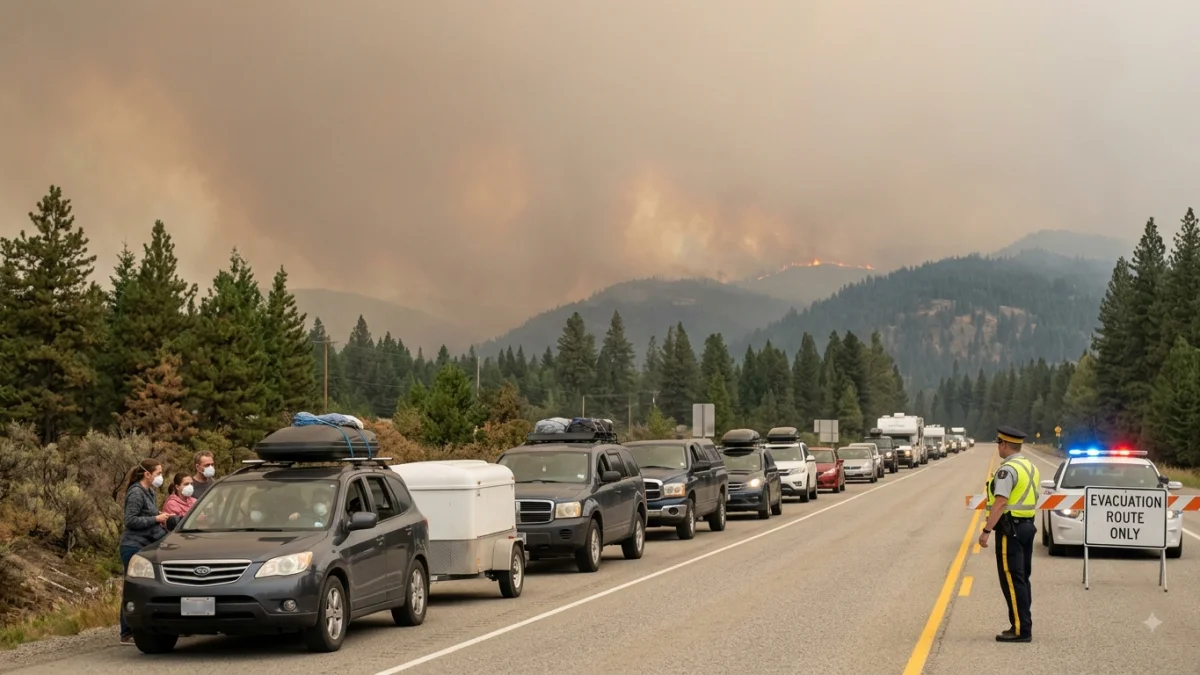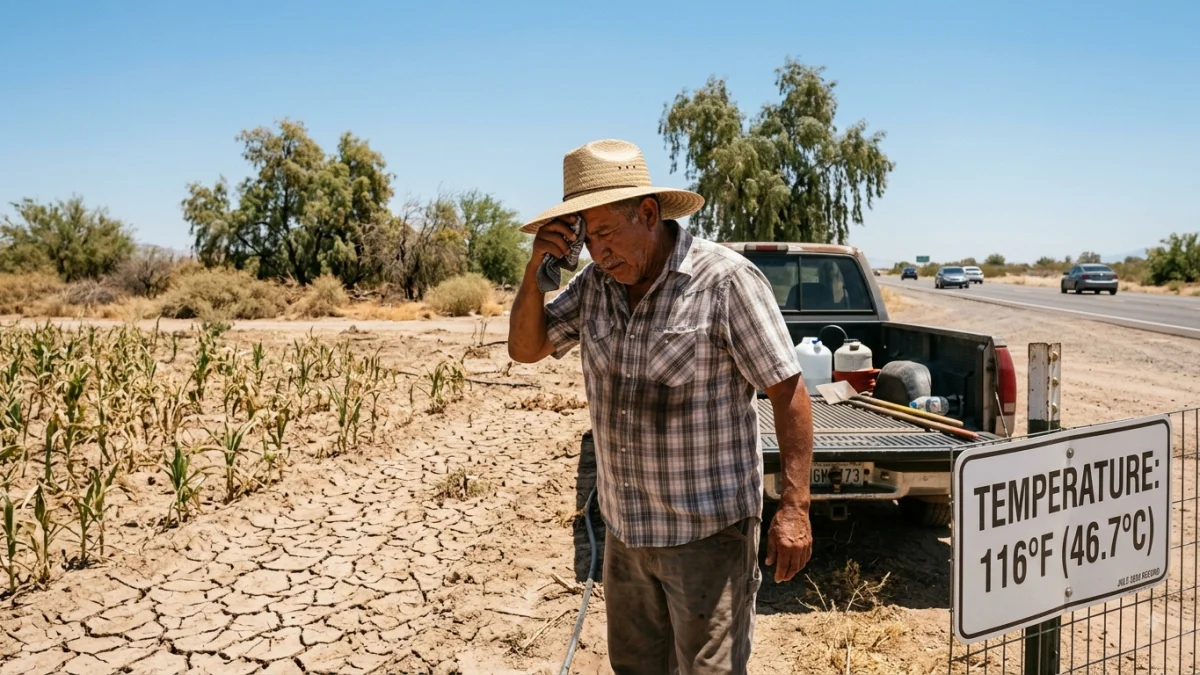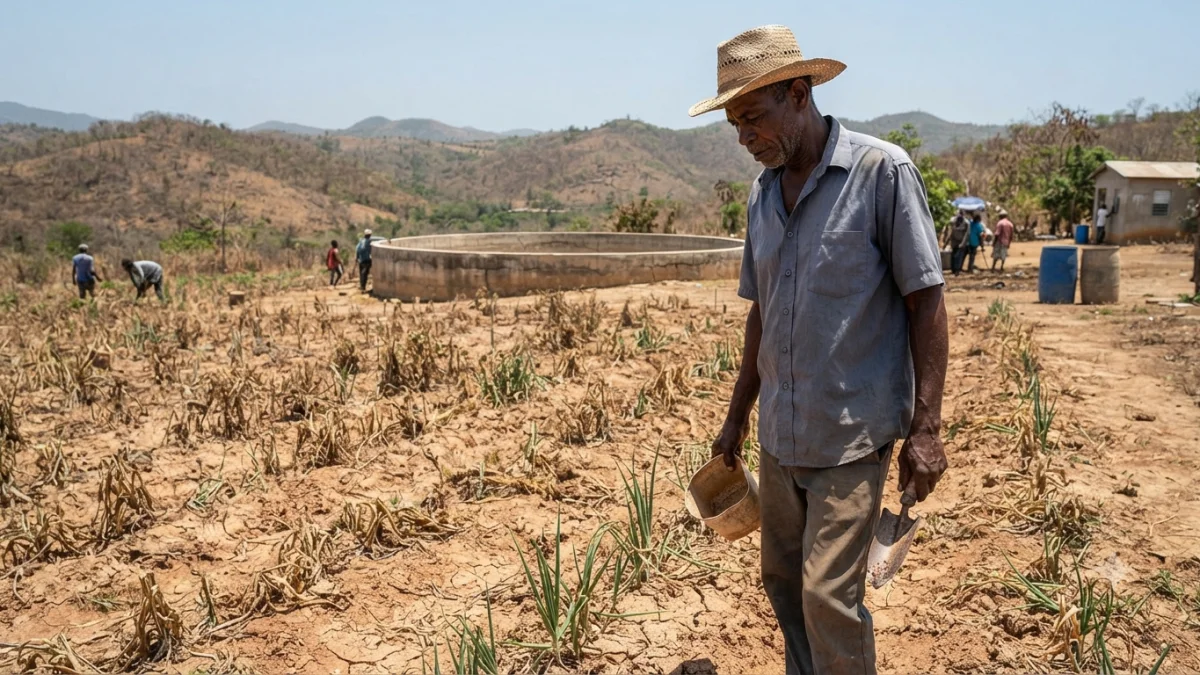


BRIDGETOWN — A strengthening El Niño pattern is suppressing rainfall across parts of the Caribbean, raising the risk of drought and water shortages as the region moves through its wet season, regional climate forecasters said.
The Caribbean Regional Climate Centre said seasonal rainfall amounts and shower frequency were expected to be at or below usual levels across the Caribbean islands and Belize through August, with medium to high confidence. The centre said the developing El Niño was the main driver of the region's year-to-year climate variability.


The forecast comes as parts of the Caribbean are already experiencing unusually dry conditions. Puerto Rico began rotating water service to tens of thousands of residents on Aug. 7 after a severe drought, with authorities citing critically low reservoir levels and worsening climate conditions. July was the driest month on record in San Juan, according to the Puerto Rico government.
El Niño, a warming of surface waters in the central and eastern tropical Pacific, alters atmospheric circulation and can shift rainfall patterns far from the Pacific. The World Meteorological Organization said in June that there was an 80% probability El Niño would develop during June-August and about a 90% probability it would continue through the September-December period. Most forecast models indicated at least a moderate event, with the possibility of a strong one.
The Caribbean climate centre said strong El Niño events generally increase the likelihood of drought and reduce rainfall frequency, particularly in the Lesser Antilles and the Guianas. During summer, similar effects are also expected in the Bahamas and Greater Antilles.
The International Research Institute for Climate and Society said its August-October 2026 outlook showed substantially increased probabilities of below-normal precipitation across the Caribbean, Central America and northern South America. It also reported that the Niño 3.4 index had reached 2.0 degrees Celsius above average in early July, consistent with strong El Niño conditions.
The dry pattern does not mean rain will be absent. The Caribbean climate centre said rainfall through August was expected to be sufficient to ease short-term drought impacts on soil moisture, smaller rivers and surface reservoirs in much of the region, although longer-term drought conditions were developing in some islands.
Forecasters are also monitoring the wider consequences of the pattern, including increased heat and changes to Atlantic hurricane activity. The regional centre said El Niño typically reduces Atlantic hurricane-season activity, particularly after August.
The latest outlook calls for continued below-normal or near-normal rainfall across much of the Caribbean through the current forecast period, while authorities in drought-affected areas continue monitoring water supplies and reservoir levels.