

BEIRUT — A fragile calm held across much of Lebanon on Thursday following a U.S.-Iran ceasefire agreement announced earlier this week, although Lebanese authorities, international leaders and residents remained cautious amid reports of sporadic military activity and unresolved disputes linked to the broader regional conflict.
The agreement between Washington and Tehran, announced on Monday through mediators including Pakistan and Qatar, called for the termination of military operations across multiple fronts, including Lebanon, according to statements cited by Reuters. The accord followed months of conflict that drew Lebanon into a wider confrontation involving Israel, Iran and the Iran-backed Hezbollah movement.


Lebanese officials urged displaced residents not to rush back to areas affected by fighting, particularly in the south, where security conditions remain uncertain. Authorities said assessments of infrastructure damage and unexploded ordnance were continuing in several districts.
The ceasefire has brought a noticeable reduction in hostilities in many areas, though reports of Israeli airstrikes and military operations in southern Lebanon have continued since the announcement of the U.S.-Iran agreement. Reuters reported on Wednesday that Israeli forces carried out fresh strikes targeting Hezbollah positions, while Hezbollah officials said the group had not conducted military operations since the deal was announced.
A Hezbollah official told Reuters that the group’s position would depend on Israel’s adherence to ceasefire arrangements and reiterated opposition to continued Israeli military activity inside Lebanon. Hezbollah has not issued a comprehensive public statement endorsing the broader U.S.-Iran agreement.
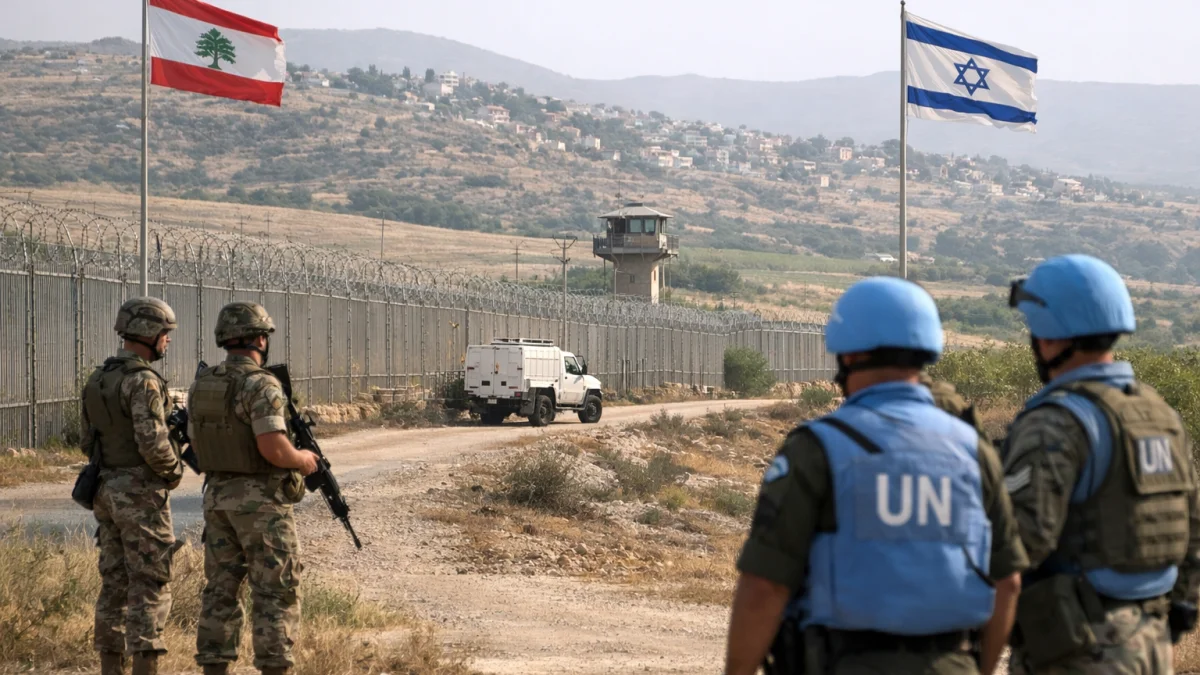
The situation in Lebanon has been closely tied to diplomatic efforts aimed at ending the wider confrontation between the United States and Iran. Earlier ceasefire arrangements between Israel and Lebanon, announced this month with U.S. involvement, were intended to reduce violence along the border and create conditions for broader negotiations. Implementation of those agreements, however, has faced challenges, including disagreements over troop deployments and the role of Hezbollah in southern Lebanon.
At the Group of Seven summit in France on Wednesday, leaders welcomed the interim U.S.-Iran agreement and called for a ceasefire in Lebanon. In a joint statement, G7 leaders said negotiations should continue and address broader regional security concerns.
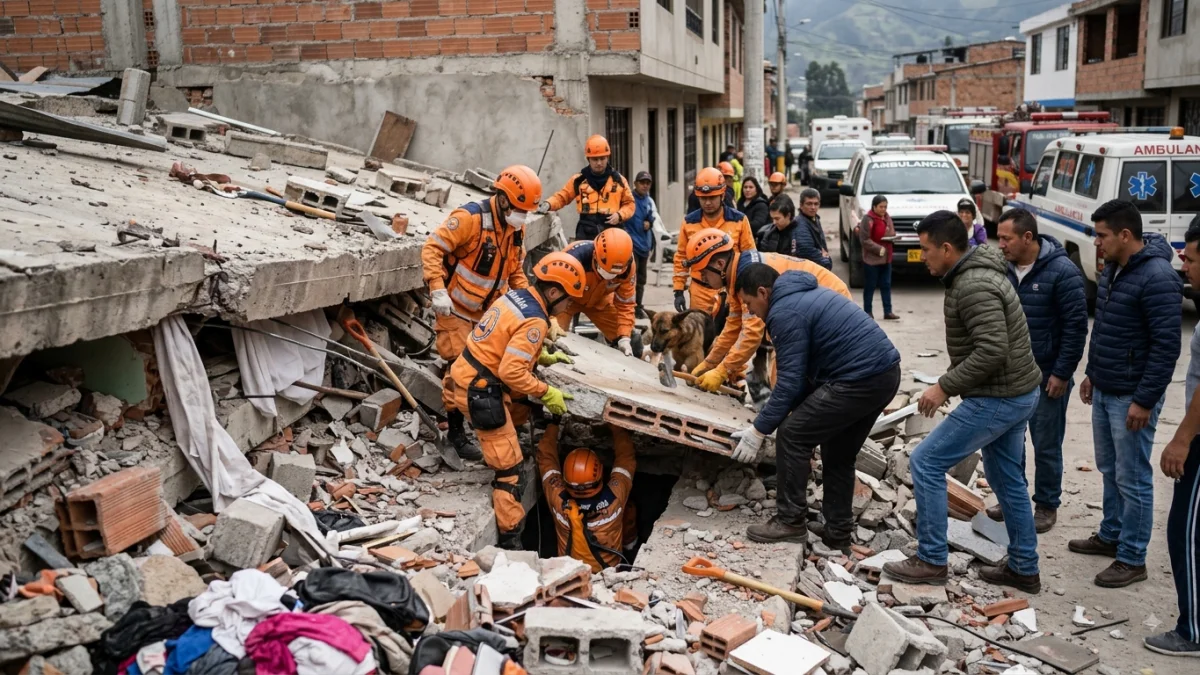
The conflict has had a severe impact on Lebanon. Reuters reported that more than one million people were displaced during months of fighting, while extensive damage was recorded in southern towns and cities. Reconstruction needs remain substantial, according to humanitarian organizations and Lebanese officials.
As of Thursday, Lebanese authorities said security monitoring and humanitarian operations were continuing. While large-scale fighting appeared to have subsided, officials emphasized that several aspects of the ceasefire framework and broader regional negotiations remain unresolved.