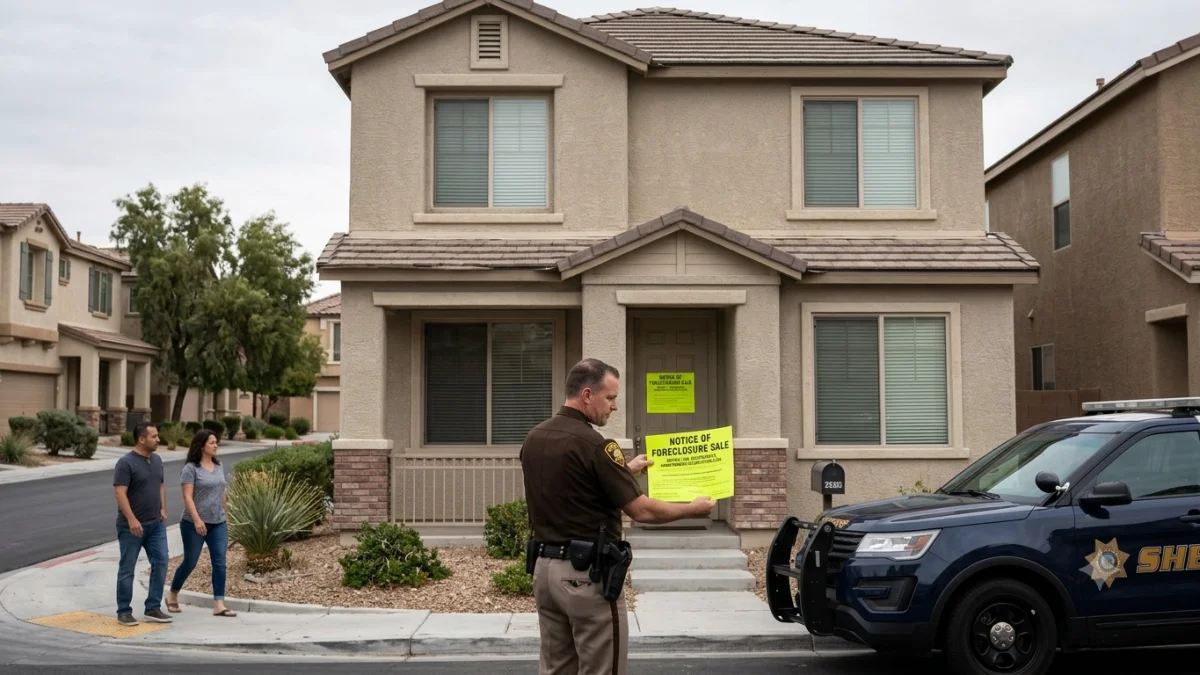


NEW YORK — Homeowners associations (HOAs) across the United States are foreclosing on a growing number of residents as rising insurance costs, higher maintenance expenses and stricter building safety requirements strain association finances, according to recent housing data and industry officials.
There were 6,376 HOA-related foreclosure filings during the first quarter of 2026, nearly 40% more than two years earlier, according to real estate analytics firm Attom. The increase has outpaced the broader rise in mortgage foreclosure activity, reflecting mounting financial pressure on communities governed by homeowner associations.


Industry experts said many associations have become less willing to delay collection efforts because unpaid dues can quickly affect their ability to fund essential services, insurance premiums and reserve accounts. Several associations have accelerated legal action against delinquent homeowners, in some cases referring unpaid accounts to attorneys earlier in the collection process than in previous years.
The financial strain has intensified since the 2021 collapse of the Champlain Towers South condominium in Surfside, Florida, which prompted stricter inspection, reserve funding and maintenance requirements in several states. At the same time, insurance premiums for many condominium and community associations have risen sharply, forcing boards to increase assessments or impose special fees on homeowners.
Housing analysts said the trend has been particularly evident in condominium communities, where associations are responsible for maintaining shared structures and infrastructure. Delinquent assessments can leave remaining owners responsible for covering budget shortfalls, while deferred maintenance may reduce property values over time.
Data from Benutech Data Insights showed homeowners associations filed nearly 285,000 liens nationwide during 2025, an increase of almost 9% from the previous year. A lien can ultimately lead to foreclosure under state law if unpaid obligations are not resolved.
The authority of HOAs to foreclose varies by state, with different notice requirements, redemption rights and minimum delinquency thresholds. Some states have recently enacted or proposed legislation aimed at strengthening homeowner protections by raising foreclosure thresholds, requiring mediation or limiting attorney fees.
Community Associations Institute, which represents community associations and management professionals, says foreclosure should be used only as a last resort after reasonable efforts to collect unpaid assessments have failed. The organization argues that associations require effective collection tools to protect the financial stability of communities and prevent unpaid obligations from shifting costs to other homeowners.