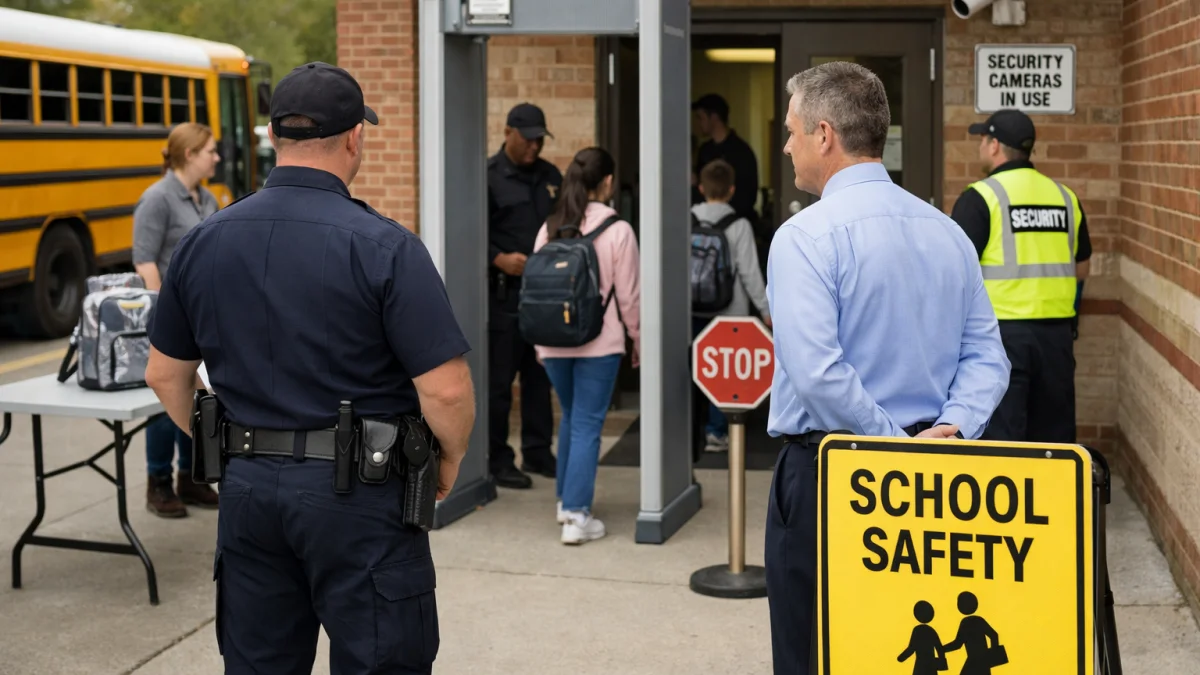
JAKARTA — Local education authorities across several districts have introduced new measures aimed at improving student safety in schools during 2026, following broader national efforts to strengthen protections against violence, bullying and other risks affecting students.
The initiatives include tighter supervision on school grounds, expanded reporting mechanisms for students, restrictions on personal device use in some regions, and updated procedures for identifying potential safety concerns, according to statements from education officials and local governments.
The measures come after Indonesia's Ministry of Primary and Secondary Education introduced Regulation No. 6 of 2026 on Safe and Comfortable School Culture, a framework designed to reduce violence in educational settings and promote cooperation among schools, families, communities and media organizations. The ministry said the regulation seeks to strengthen protection for students in both physical and digital environments.
Education Minister Abdul Mu’ti said when launching the regulation in January that the policy was intended to create a more comprehensive and participatory approach to school safety.
“Schools should become environments that strengthen character and prevent violence and bullying from occurring in the first place,” he said, according to ministry statements.
Under the regulation, schools are encouraged to conduct routine early detection of potential risks, monitor behavioral changes that may indicate psychosocial problems, identify vulnerable areas on campus and provide accessible complaint channels for students and staff.
Several regional administrations have moved to implement related policies. In East Java, provincial authorities began restricting the use of gadgets in senior secondary schools in April, citing concerns about cyberbullying, exposure to inappropriate content and excessive screen use. Officials said the policy was intended to support a safer and healthier learning environment.
In Banten Province, education authorities launched a trial program limiting mobile phone use in schools, saying the measure was designed to reduce distractions and improve student discipline.
Local education offices have also increased outreach efforts. In Purwakarta, West Java, officials recently held a district-wide program promoting anti-bullying initiatives and implementation of the national school safety framework. Education authorities said the effort involved coordination among schools and other stakeholders.
Officials said implementation of the new measures is ongoing, with schools expected to adapt procedures in line with national guidelines. Further evaluations are planned as districts continue rolling out safety programs during the 2026 academic year.