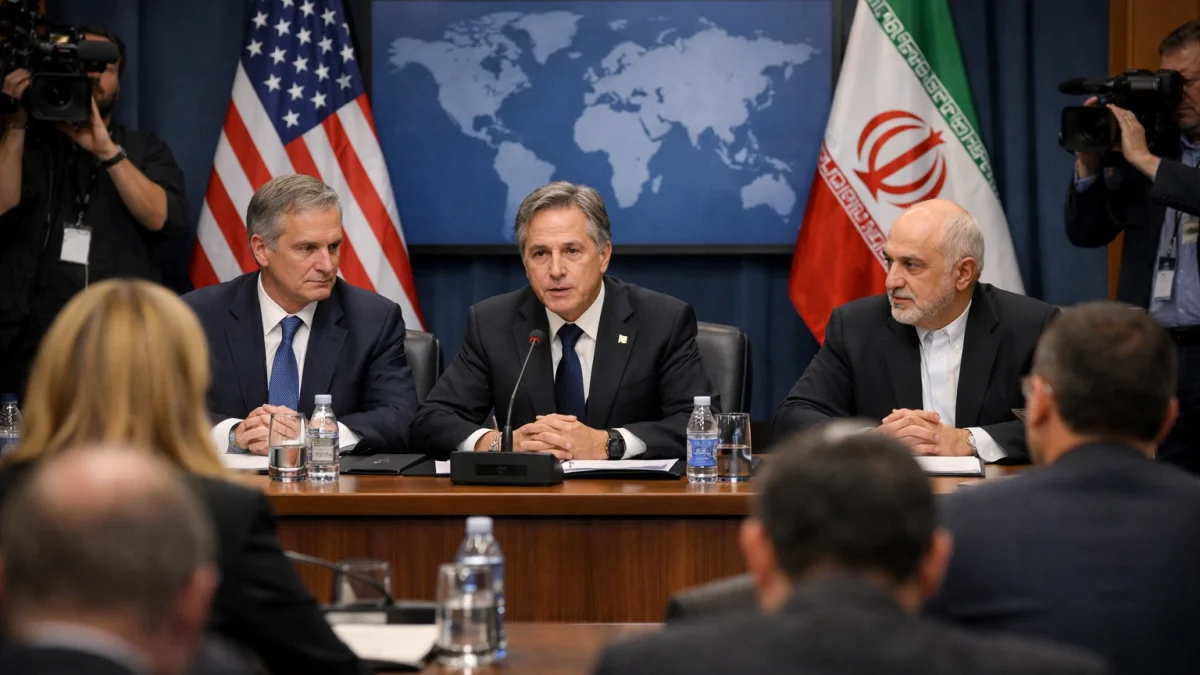
WASHINGTON — U.S. officials and international mediators on Monday prepared for a potentially extended phase of negotiations with Iran after the latest round of talks in Switzerland produced what both sides described as progress but left several major issues unresolved.
Delegations from the United States and Iran concluded initial discussions at the Bürgenstock resort in Switzerland and agreed to pursue a roadmap aimed at reaching a broader agreement within 60 days, according to statements issued by mediators from Qatar and Pakistan and comments from U.S. and Iranian officials. Technical teams were scheduled to remain engaged throughout the week to continue detailed negotiations.
The talks followed a memorandum of understanding reached earlier this month that established a framework for continued diplomacy and a temporary reduction in tensions. U.S. Vice President JD Vance said last week that the 60-day period outlined in the agreement had formally begun, while emphasizing that several key matters would be addressed in subsequent negotiations.
Officials from both countries indicated that discussions would focus on issues including Iran’s nuclear program, sanctions, regional security concerns and maritime navigation through the Strait of Hormuz. Details of a final settlement remain unclear, and neither side has announced a timetable beyond the existing negotiating framework.
“We made encouraging progress,” mediators from Qatar and Pakistan said in a joint statement following the Swiss meetings, adding that the parties had agreed on a process intended to support further diplomatic engagement.
Iranian Foreign Minister Abbas Araghchi also reported progress after the talks, while U.S. officials described the discussions as constructive. However, both sides acknowledged that differences remain. Negotiations briefly encountered difficulties after public remarks by U.S. President Donald Trump prompted Iranian negotiators to suspend direct participation before discussions resumed through diplomatic channels, according to officials involved in the process.
The negotiations take place amid broader efforts to maintain regional stability following months of heightened tensions. One outcome announced by mediators was the establishment of mechanisms intended to reduce the risk of incidents in the Strait of Hormuz and support efforts to prevent renewed hostilities in Lebanon.
As of Monday, officials were preparing for additional technical and political discussions, with a high-level oversight process expected to guide the next stage of diplomacy. While the current roadmap envisions an agreement within 60 days, officials on all sides said further negotiations would be necessary before any final settlement could be reached.