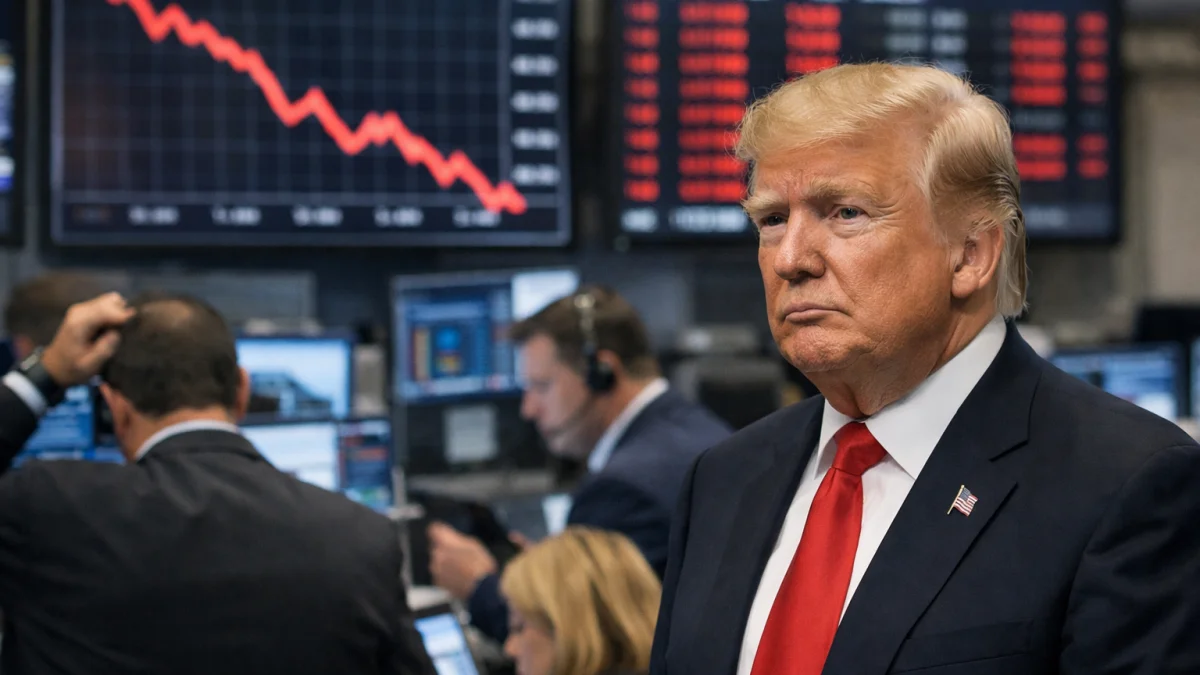
WASHINGTON — Public approval of President Donald Trump’s handling of the U.S. economy has declined to some of its lowest levels of his second term, according to several recent national polls, reflecting continued concern among voters about inflation, fuel prices and the overall cost of living. Polls released in June showed that while Trump’s overall job approval rating stabilized in the mid-30% range, economic approval remained significantly weaker.
A Reuters/Ipsos poll conducted June 12–15 found Trump’s overall approval rating at 36%, up slightly from earlier in the month. However, only about one-quarter of respondents approved of his handling of the cost of living, while roughly two-thirds disapproved, according to Reuters and Ipsos.
Separate polling released this week indicated broader dissatisfaction with the administration’s economic policies. An NPR/PBS News/Marist survey found that about one-third of Americans approved of Trump’s management of the economy, while a majority disapproved. The poll described the result as the lowest economic approval rating recorded for Trump in that survey series.
Economic concerns have remained a central issue for voters. A Reuters/Ipsos survey published in April found that most Americans viewed the economy as being on the wrong track, while approval of Trump’s handling of inflation and the broader economy reached lows for his second term. The poll also found that inflation remained one of the public’s leading concerns.
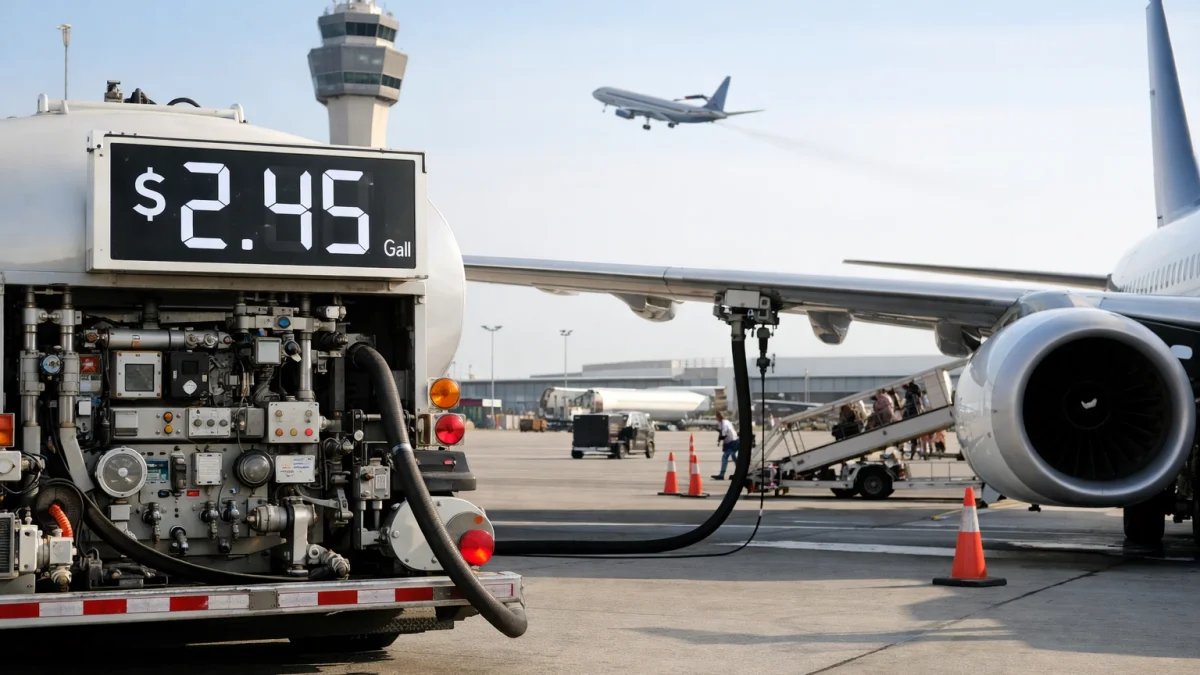
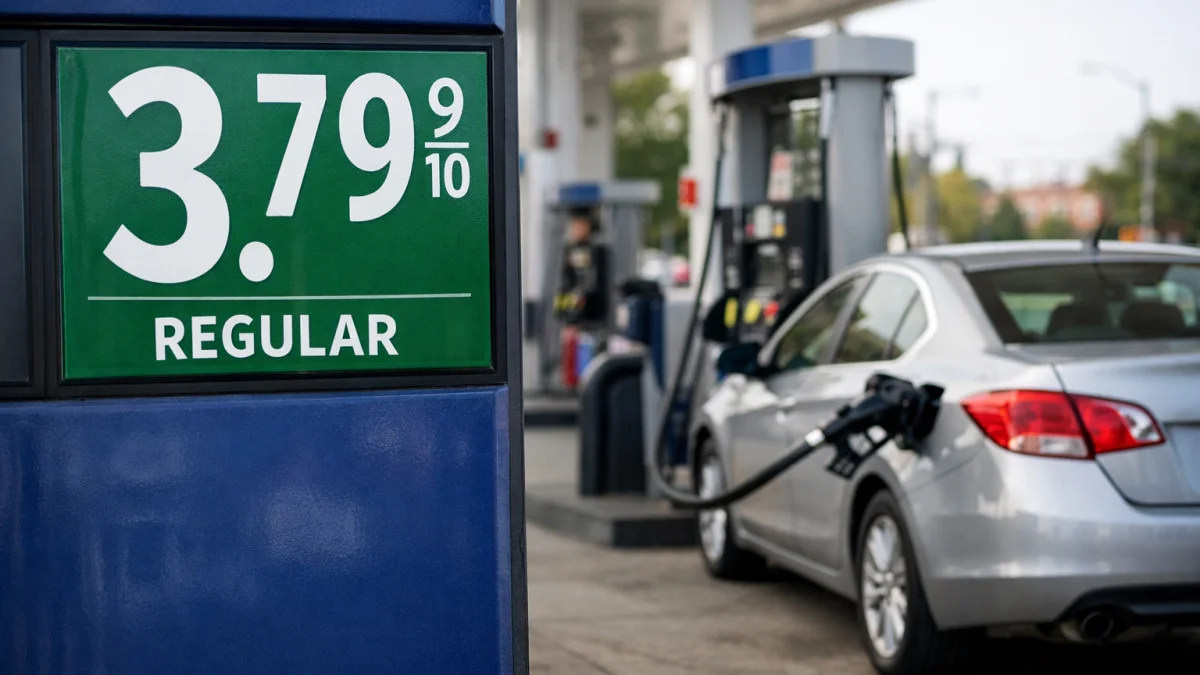
The latest surveys come after months of economic uncertainty linked to higher energy prices and persistent inflation. Although gasoline prices have eased from recent peaks following a reported de-escalation in tensions involving Iran, Americans are still paying more at the pump than earlier in the year, according to Reuters. Consumer sentiment improved modestly in June but remained historically weak.
Some traditionally Republican-leaning constituencies have also shown signs of declining support. A Reuters/Ipsos poll released last week found that approval among rural Americans had fallen compared with early 2025, with many respondents citing rising food and fuel costs. Approval of Trump’s economic leadership among rural voters also declined, according to the survey.
The White House has defended the administration’s economic policies and pointed to recent declines in gasoline prices and signs of improving consumer confidence. Reuters reported that Trump’s approval rating rose slightly after announcements related to easing international tensions that had contributed to higher energy costs.
As of Friday, polling continued to show voters expressing concern about inflation and household expenses, even as broader economic indicators showed some improvement. Recent national surveys suggested economic issues remain a significant challenge for the administration heading into the second half of 2026.