

LONDON — Oil prices eased on Friday as reports of a proposed U.S.-Iran agreement signaled a potential reopening of the Strait of Hormuz, a critical waterway for global energy shipments that has faced restrictions amid the ongoing conflict.
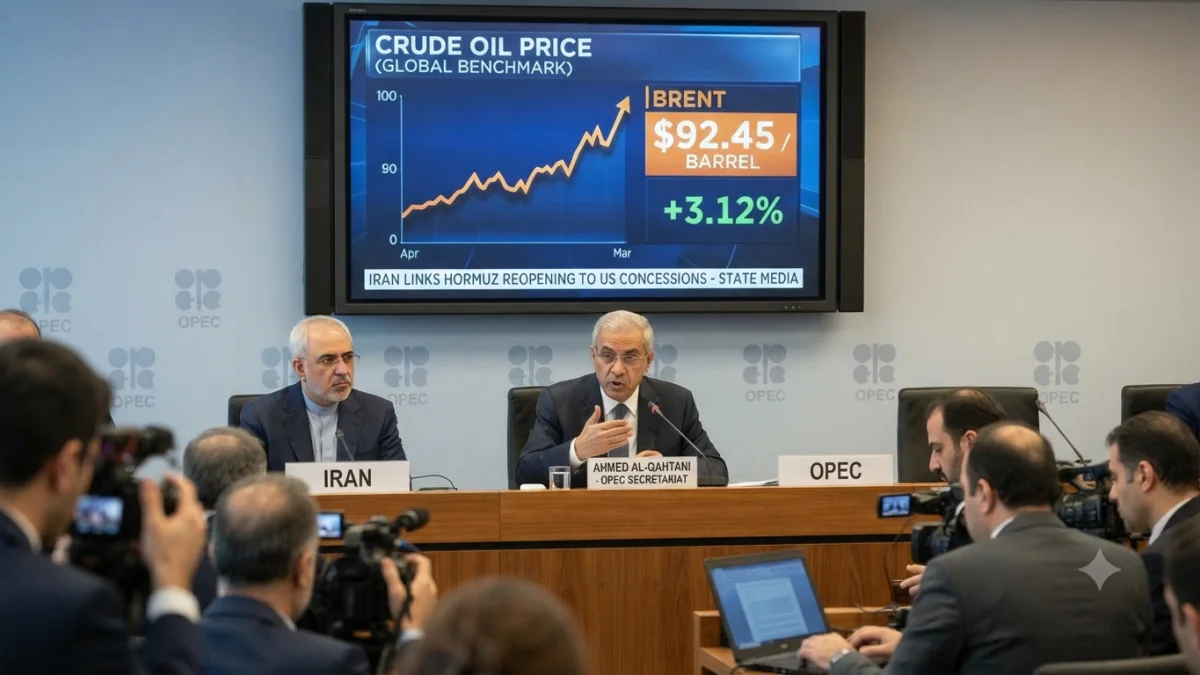
West Texas Intermediate crude futures fell about 3% to close near $85 per barrel, while Brent crude, the international benchmark, dropped around 3% to settle near $87, according to market data. Prices have declined roughly 6% over the past week but remain elevated compared with levels before the escalation of tensions earlier this year.


The easing followed Iranian state media reports of a draft memorandum of understanding that includes Iran's commitment to reopen the strait to shipping within 30 days, in exchange for steps such as the lifting of a U.S. naval blockade and certain sanctions relief. U.S. officials described the framework as advancing toward extending a ceasefire and addressing broader issues, though final approvals from both sides were still pending.
A senior Trump administration official told reporters that the outcome remained uncertain despite progress in negotiations mediated in part by Pakistan. Iranian Foreign Minister Abbas Araqchi said changes to the draft were still possible, with nuclear program discussions to follow any initial agreement.
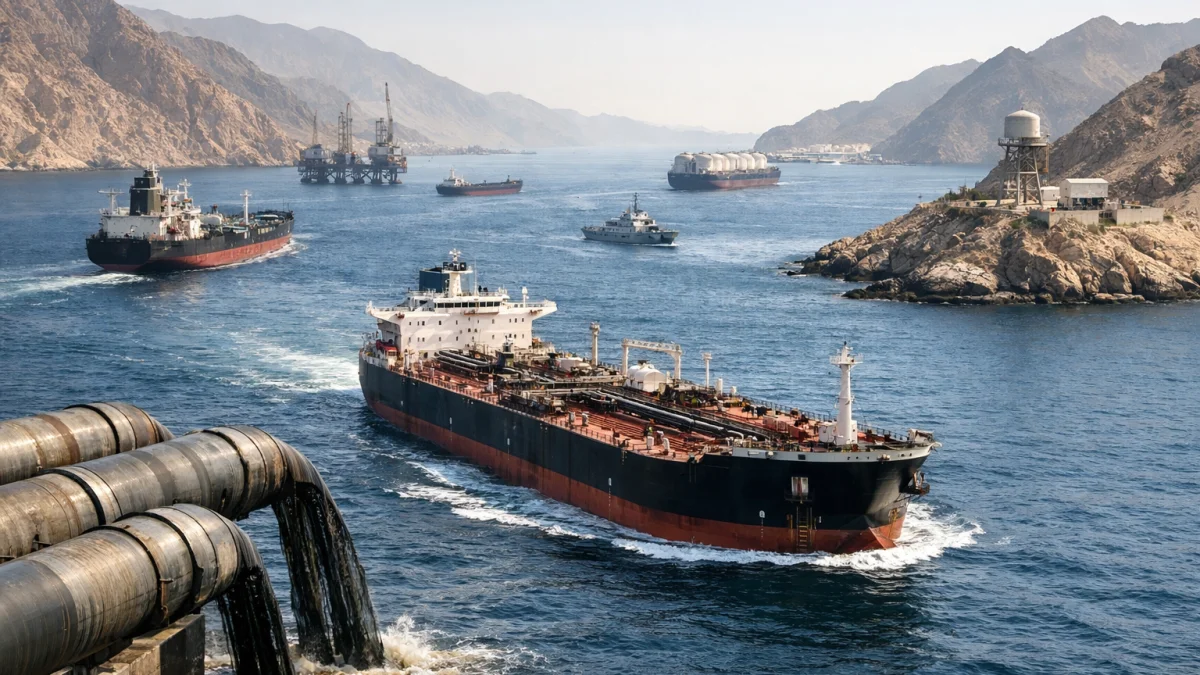
The Strait of Hormuz, through which about one-fifth of global oil and liquefied natural gas trade normally passes, has seen severely reduced traffic since Iran restricted access following U.S. and Israeli military actions that began in late February. The disruptions contributed to earlier price spikes, with Brent crude surpassing $100 per barrel at times.
"This agreement would mark an important step toward restoring stability in energy markets," a U.S. official said, speaking on condition of anonymity to discuss ongoing diplomacy.
The proposed deal does not constitute a full peace agreement but aims to extend the current ceasefire for up to 60 days and create a platform for further talks on Iran's nuclear program, sanctions and other disputes. Both sides have reported intermittent incidents in the region even during the ceasefire period.
Market analysts attributed the price decline to optimism over resumed shipping flows, though traders cautioned that implementation details and verification mechanisms would determine the extent of any sustained relief. Oil prices have shown volatility throughout the conflict, reacting to shifts in diplomatic signals and security incidents.
As of Friday evening, no final signing had been confirmed. Negotiations continue, with officials from both countries indicating that additional discussions were expected in the coming days. Details on the precise timeline for any reopening of the strait remained subject to final approvals.