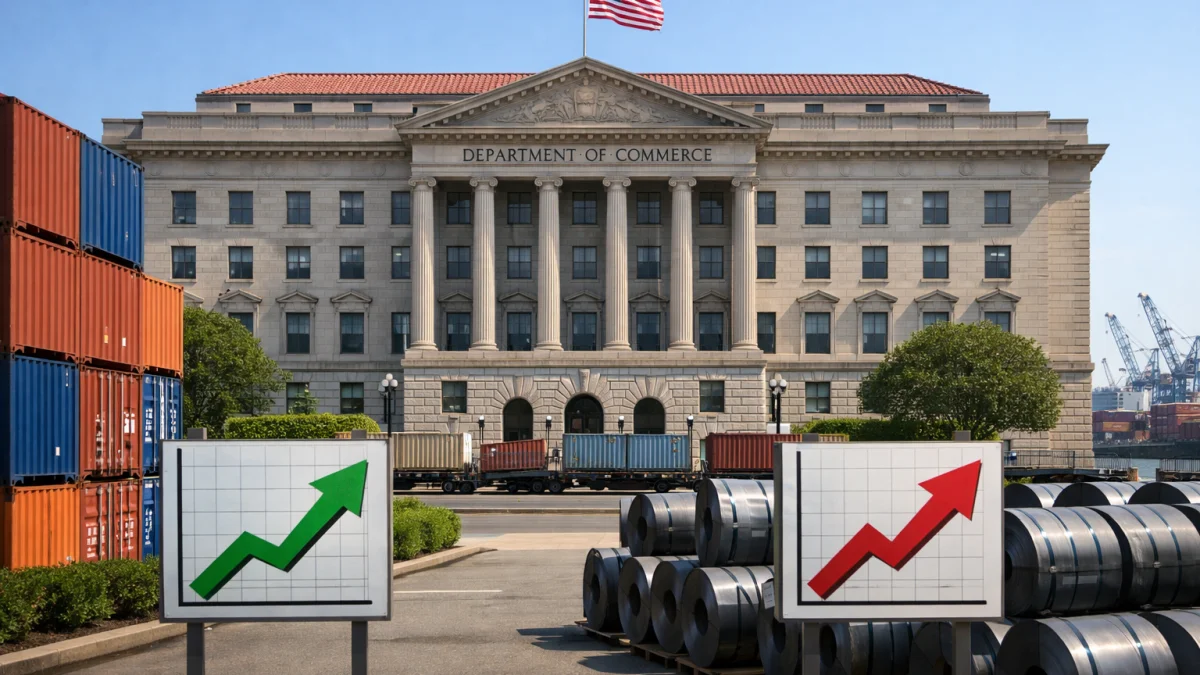
WASHINGTON — U.S. import and export prices increased in May, according to the latest monthly report from the Labor Department, reflecting higher costs for fuel, capital goods and a range of traded products amid continued volatility in global markets.
The U.S. Bureau of Labor Statistics reported on June 16 that import prices rose 1.9% in May following a revised 2.0% increase in April. Export prices also advanced, rising 1.3% after a 3.5% increase the previous month. The agency said both fuel and nonfuel imports contributed to the increase in import prices, while higher prices for agricultural and nonagricultural exports supported the rise in export prices.
Over the 12 months through May, import prices increased 6.7%, while export prices rose 11.2%, according to the Bureau of Labor Statistics. The agency said the annual increase in import prices was the largest since 2022, while export prices recorded their strongest year-over-year gain since a comparable period in 2022.
“U.S. import prices increased 1.9 percent in May,” the Bureau of Labor Statistics said in its monthly release, adding that higher fuel and nonfuel prices both contributed to the advance.
Fuel import prices rose sharply during the month, increasing 12.5%, while prices for imports excluding fuels climbed 0.8%, according to the report. The agency also reported gains in imported capital goods and consumer products. Export prices were lifted by higher costs for agricultural commodities, including food-related products, as well as nonagricultural goods such as industrial supplies and capital equipment.
Economists and market participants closely monitor import and export price indexes because they provide an indication of inflation pressures moving through international trade channels. Reuters reported that the May increase in import prices was larger than economists had expected, driven in part by higher fuel costs and rising prices for capital goods.
The report was released as policymakers continued assessing broader inflation trends and trade developments. Separate government data showed U.S. exports and imports both increased in April, while the trade deficit narrowed slightly, according to the Commerce Department.
The Bureau of Labor Statistics said export prices have now risen for six consecutive months. Higher prices for nonagricultural exports led the May increase, while agricultural exports also posted gains.
As of Monday, the latest monthly import and export price data remained the most recent official measure of trade-related inflation. The Bureau of Labor Statistics said its next report, covering June 2026, is scheduled for release on July 17.