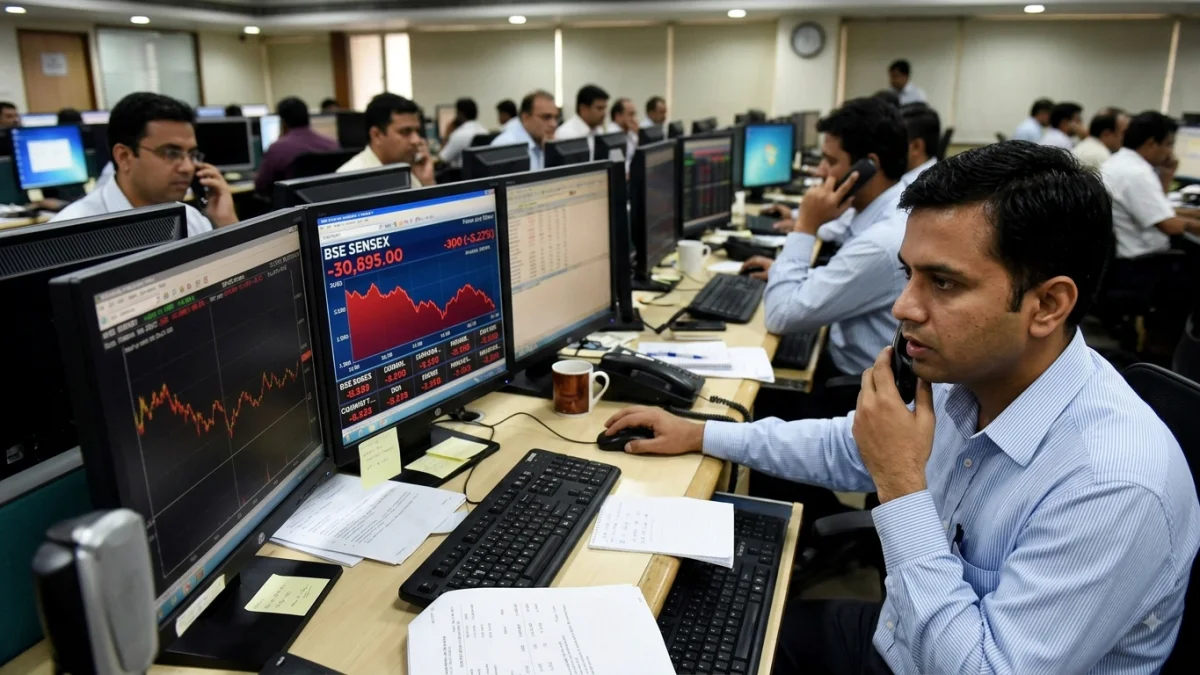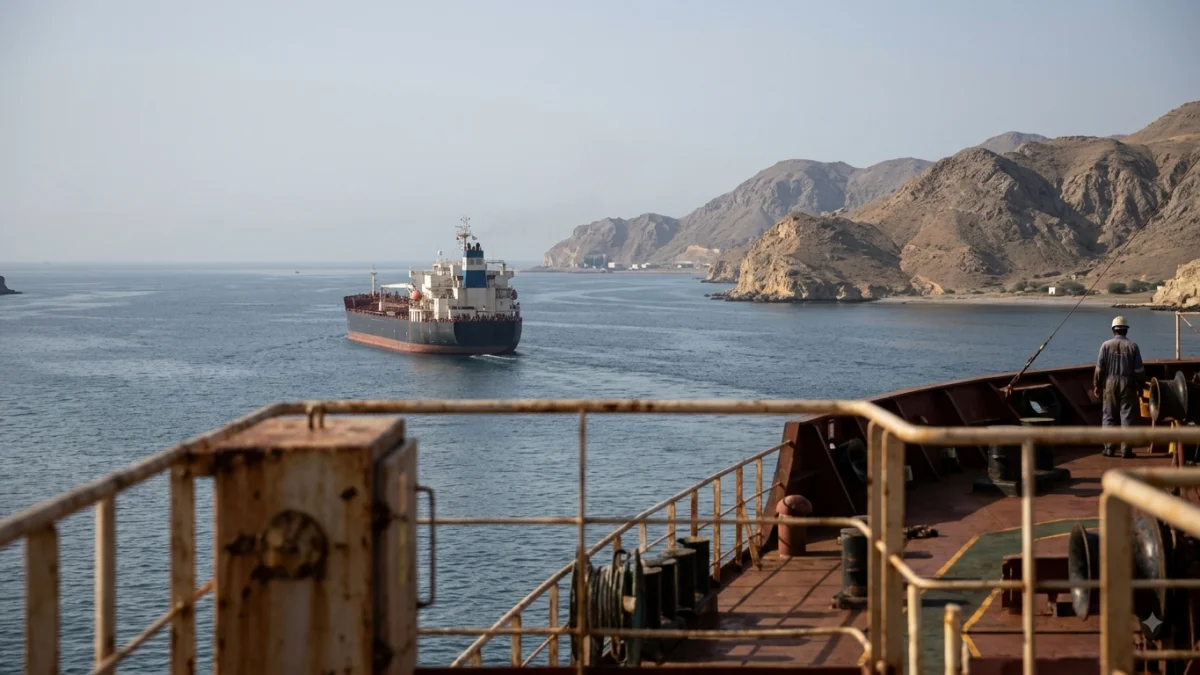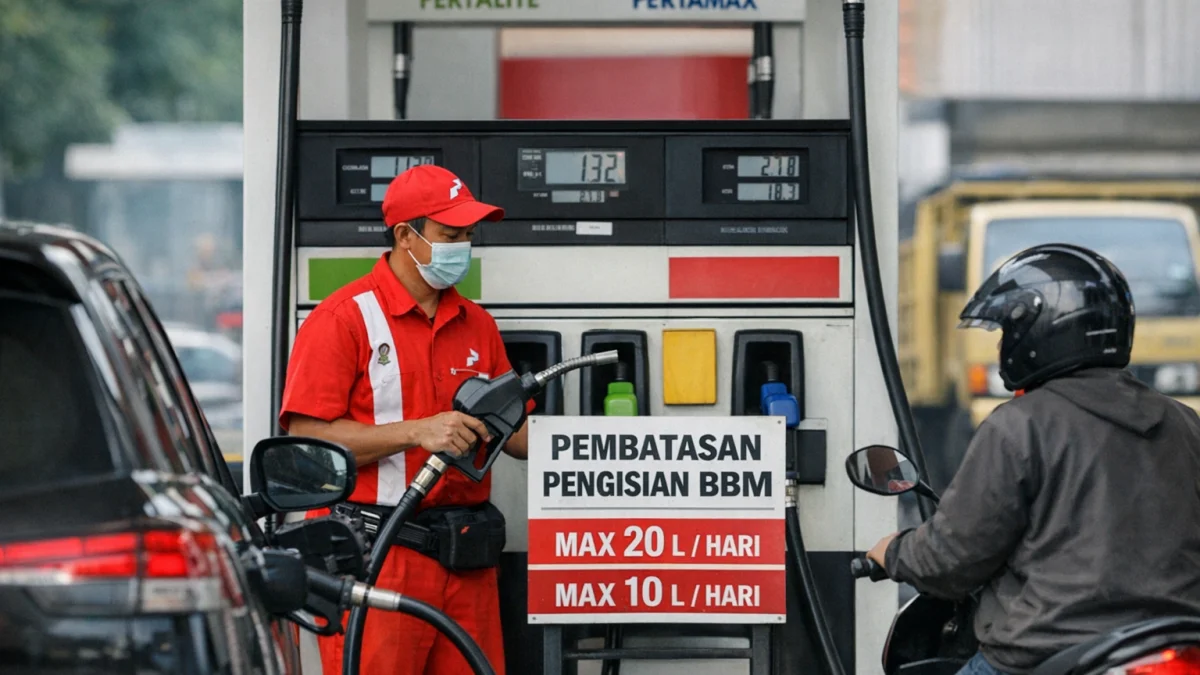


JAKARTA — Indonesia began implementing fuel purchase limits on Wednesday to manage consumption of subsidized fuel amid rising global oil prices triggered by conflict in the Middle East.
Coordinating Minister for Economic Affairs Airlangga Hartarto announced the measures on Tuesday, including a daily cap of 50 litres per vehicle for private cars purchasing subsidized gasoline and diesel at state-owned Pertamina stations. The limits apply to Pertalite gasoline and Biosolar diesel.


The government decided against raising prices for either subsidized or non-subsidized fuel starting April 1, despite global crude oil prices exceeding $100 per barrel, well above the $70 per barrel assumption used in the 2026 state budget. Energy Minister Bahlil Lahadalia confirmed that subsidized fuel prices would remain unchanged.
The 2026 energy subsidy budget stands at 381.3 trillion rupiah ($22.4 billion), based on assumptions of average crude prices at $70 per barrel and an exchange rate of 16,500 rupiah per dollar. Higher actual prices and a weaker rupiah have increased fiscal pressure on the budget.
“To ensure fuel distribution, the government will regulate purchases, with a reasonable limit of 50 litres per vehicle per day for private consumers,” Airlangga Hartarto said at a news conference.
Additional measures include mandating civil servants to work from home one day a week, reducing official vehicle usage by half, and cutting work-related travel by up to 70 percent. The government estimated these steps, to be reviewed every two months, could generate savings of between 121 trillion and 130 trillion rupiah ($7.1-7.6 billion).
Indonesia, a net oil importer, heavily subsidizes fuel to keep prices affordable for consumers. Previous attempts to reduce subsidies or raise prices have sometimes led to public protests. The current measures aim to conserve stocks and limit the fiscal burden without immediate price adjustments, with Pertamina absorbing some costs in the short term for non-subsidized fuel.
The Downstream Oil and Gas Regulatory Agency (BPH Migas) issued guidelines for the quotas, which also set higher limits for public transport and larger vehicles. Purchases beyond the daily cap for subsidized fuel would be charged at non-subsidized rates.
As of Friday, April 3, implementation of the limits was underway at Pertamina stations across the country. Reports indicated some queues at stations in previous days linked to rumors of price hikes, but the government stated there would be no adjustment and urged the public not to panic buy. Details on enforcement mechanisms and any regional variations remain under government monitoring.
The measures form part of broader efforts to address energy security amid global supply concerns. No information was immediately available on the impact on fuel availability or consumer behavior in the initial days of implementation.