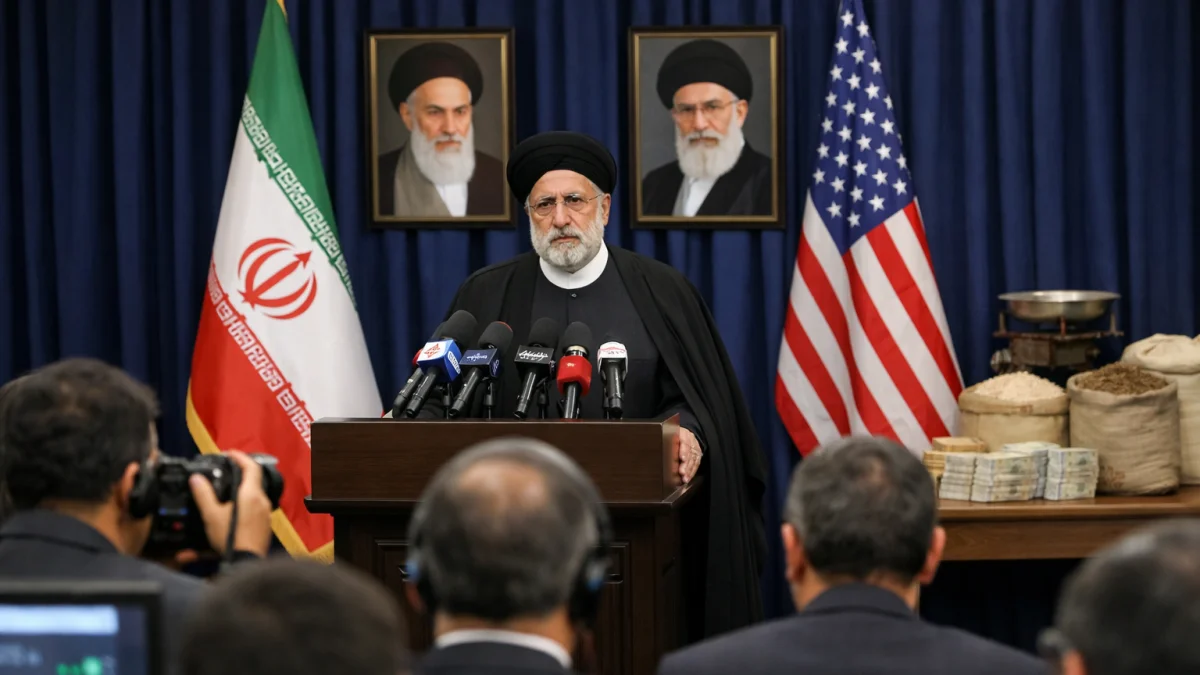


TEHRAN — Iranian officials have portrayed a newly negotiated framework agreement with the United States as a strategic victory while emphasizing that sanctions relief and renewed investment are essential to addressing mounting economic pressures at home, according to government statements and public remarks made this week.
The agreement, reached after months of conflict and negotiations, provides for the reopening of the Strait of Hormuz, the easing of U.S. restrictions on Iranian oil exports and a broader process of talks on security and nuclear issues, according to officials from both countries. Iranian leaders have presented the deal as evidence that Tehran preserved key national interests while securing economic concessions.


Foreign Minister Abbas Araghchi said last week that Iran had emerged stronger from the conflict and described the agreement as favorable to Tehran's position. “Iran is the winner of the war with the U.S.,” Araghchi said in comments broadcast on Iranian state television and reported by Reuters.
Under the draft framework described by Iranian officials, Washington would waive certain sanctions on Iranian oil sales, refrain from imposing new sanctions during negotiations and facilitate the release of some frozen Iranian assets. In return, Iran would reopen the Strait of Hormuz to commercial shipping and continue discussions on nuclear-related commitments and inspections. Details of a final agreement remain under negotiation.
The economic dimension of the deal has featured prominently in official messaging. Iranian authorities have long argued that sanctions have constrained economic growth, investment and access to international financial markets. Earlier this month, sources familiar with Iranian decision-making told Reuters that Tehran was seeking an interim arrangement that could ease domestic economic strain while avoiding major concessions on core policy issues.
A separate element of the framework includes plans for a privately funded investment vehicle intended to support projects in sectors such as energy, transportation and manufacturing. A source familiar with the negotiations told Reuters that the proposed fund could eventually mobilize about $300 billion in investment, although the mechanism would depend on the successful conclusion of a final agreement.
The prospect of renewed Iranian oil exports has already affected global markets. Oil prices fell this week on expectations that additional Iranian crude could return to international markets if the agreement is implemented and sanctions relief proceeds as planned.
The agreement has received support from leaders of the Group of Seven nations, who on Wednesday welcomed efforts to reduce tensions and restore stability to regional energy routes.
As of Wednesday, Iranian and U.S. officials were preparing for further negotiations aimed at converting the framework into a broader and more detailed accord. Several provisions, including long-term nuclear arrangements and the implementation of economic measures, remained under discussion, and officials on both sides said additional talks would continue in the coming weeks.