

SAN JUAN — July was the driest month on record at San Juan’s main weather station in more than 120 years, intensifying drought conditions across Puerto Rico and contributing to water shortages in the U.S. territory, according to the National Weather Service and U.S. drought authorities.
The San Juan airport weather station, whose records date to 1898, had been on track by late July to surpass the previous record of 1.10 inches (28 mm) of rainfall set in July 1929. On July 28, the station had recorded just 0.53 inches, according to National Weather Service meteorologist Yidiana Zayas.


The rainfall measurements apply specifically to the San Juan station and do not represent conditions across the entire island, Zayas said. Other parts of Puerto Rico received varying amounts of precipitation during the month.
The dry conditions have contributed to a broader deterioration in Puerto Rico's water supply. The U.S. Drought Monitor reported widespread rainfall deficits, with most parts of the island receiving less than 60% of normal precipitation over the preceding 60 days as of late July. Southern and southwestern areas recorded deficits of several inches, while the El Yunque rainforest region was 8 to 14 inches below average.
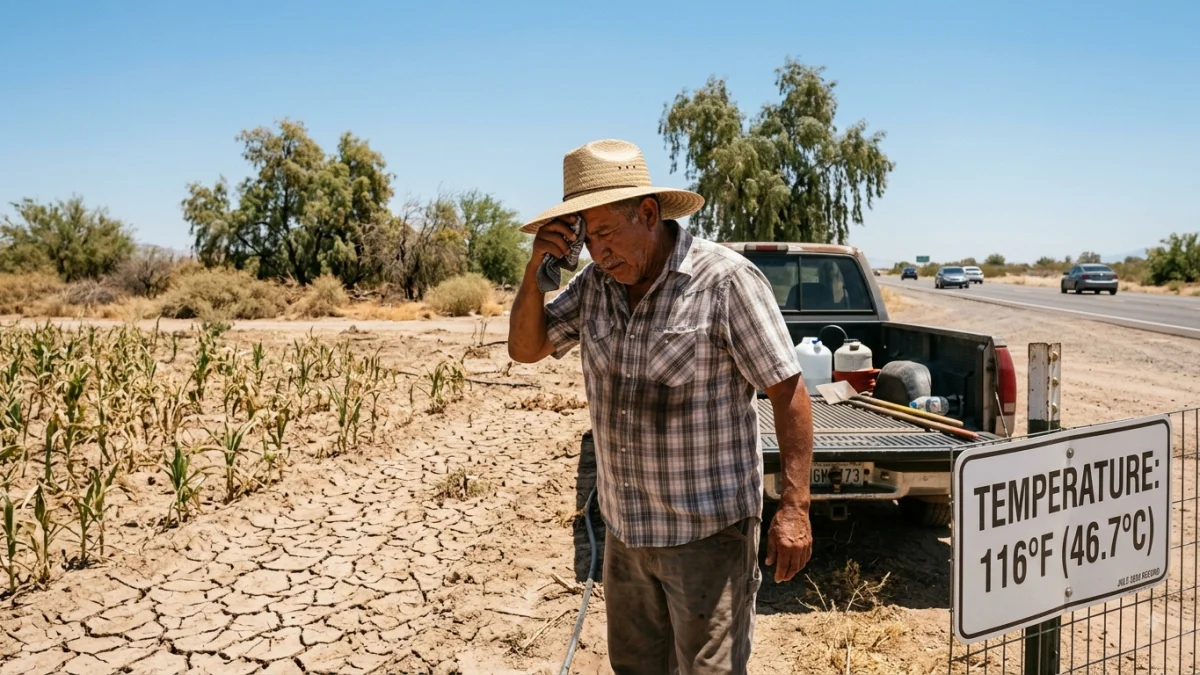
The lack of rain coincided with unusually high temperatures. National Weather Service data showed San Juan was experiencing its fourth-warmest July on record as of July 23, while temperatures at the airport reached 93 Fahrenheit on July 28, breaking the previous daily record of 92 F set in 1981.
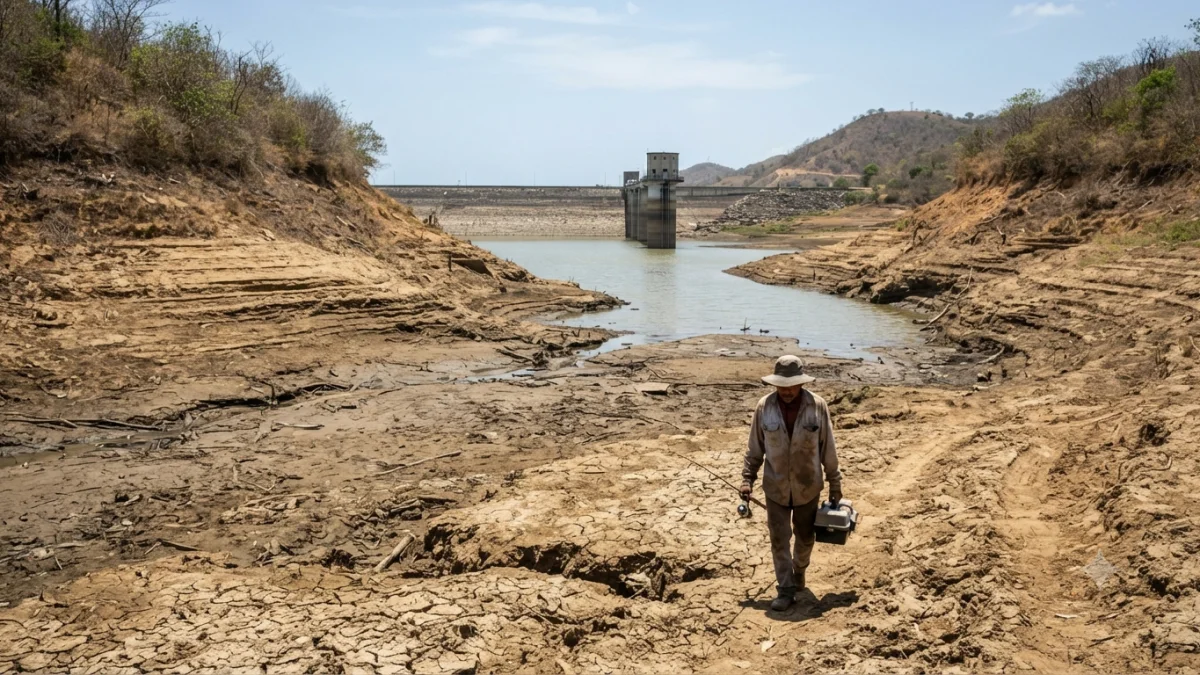
The drought has put pressure on reservoirs serving the San Juan metropolitan area. Puerto Rico's government began rotating water service in parts of the region in August, with authorities citing critically low supplies at the Carraízo reservoir. The rationing was scheduled to affect tens of thousands of residents through rotating periods without water and was expected to continue at least through August.
Authorities have also linked the persistent dryness to a strengthening El Niño pattern, which can suppress rainfall across parts of the Caribbean. Drought officials said conditions were expected to remain challenging, with forecasts indicating that the dry pattern could persist into the coming months.
As of Aug. 8, water rationing remained in effect in affected areas, while authorities continued to monitor reservoir levels, rainfall and drought conditions.