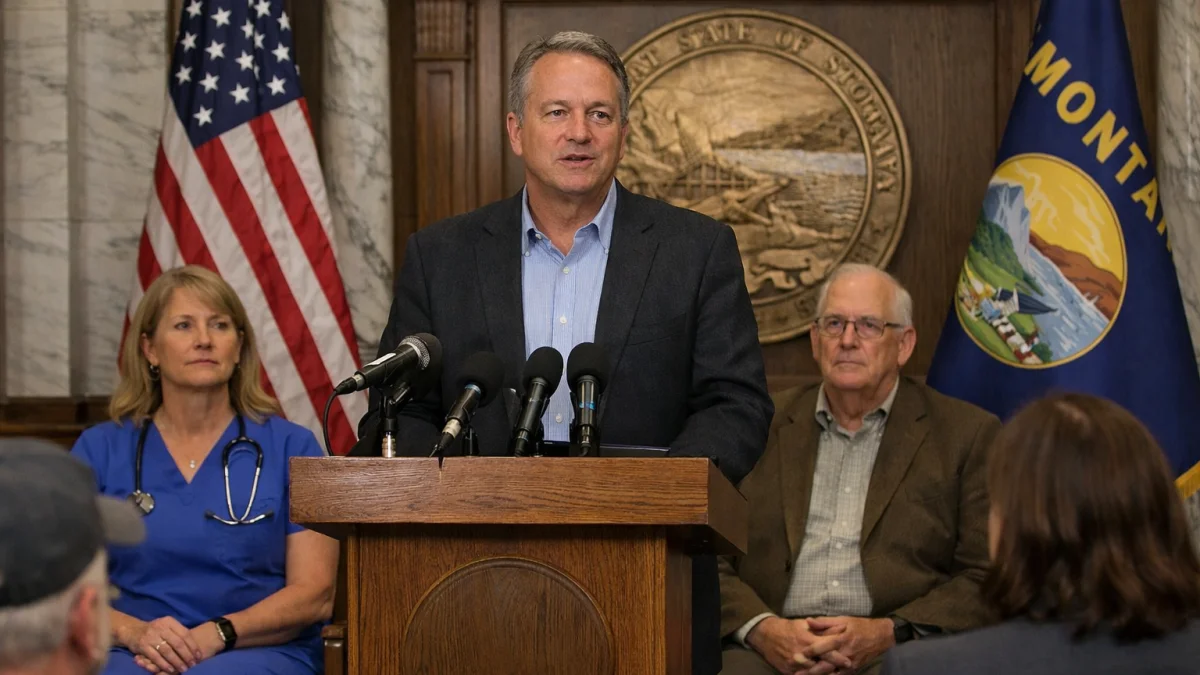


HELENA, Mont. — Montana will begin implementing Medicaid work requirements on July 1, becoming one of the first states to adopt the new federal eligibility rules ahead of the nationwide deadline, state health officials said.
The Montana Department of Public Health and Human Services (DPHHS) said the requirements will apply to certain adults enrolled through the state's Medicaid expansion program, known as the HELP Program. The changes follow federal legislation enacted in 2025 and recent guidance issued by the U.S. Centers for Medicare & Medicaid Services (CMS). According to state and federal officials, most states are not required to implement the rules until Jan. 1, 2027, but states may adopt them earlier.


Under the new requirements, affected beneficiaries generally must complete at least 80 hours per month of qualifying activities, including employment, education, job training, community service, internships or apprenticeship programs, to maintain eligibility for coverage. Certain groups, including individuals who qualify for exemptions, will not be subject to the requirements, according to DPHHS and CMS.
DPHHS announced earlier this year that it was preparing for the July 1 launch and created a dedicated website to inform beneficiaries about the changes. “Our priority is to ensure that Montanans covered by Medicaid Expansion have the information they need to make decisions about their health care,” DPHHS Director Charlie Brereton said in a March statement announcing the outreach effort.
State officials have been notifying Medicaid recipients to update their contact information and review eligibility requirements. DPHHS said implementation details could continue to evolve as additional federal guidance becomes available.
CMS issued an interim final rule on June 1 establishing a national framework for Medicaid work requirements. CMS Administrator Dr. Mehmet Oz said the rule was intended to implement changes enacted by Congress. “This rule helps Americans build skills and independence through work, education, job training, or community service,” Oz said in a statement released by the agency.
Montana's decision to move ahead before the federal deadline has drawn attention from health policy organizations. The nonpartisan health research group KFF reported that Montana, Nebraska and Iowa are among the few states planning early implementation, while most states are targeting January 2027.
Advocacy groups and some healthcare organizations have urged caution, arguing that states are still awaiting clarification on portions of the federal framework. State officials, however, have maintained that the July timeline remains achievable.
As of Thursday, DPHHS said the July 1 implementation date remained in place. The department continues to distribute information to beneficiaries and prepare systems for compliance verification and eligibility reviews as the new requirements take effect.