PARIS — The Organisation for Economic Co-operation and Development said on Saturday that the global economic outlook has weakened, citing energy shocks and related inflationary pressures linked to ongoing disruptions in global energy markets, according to its latest Economic Outlook report.
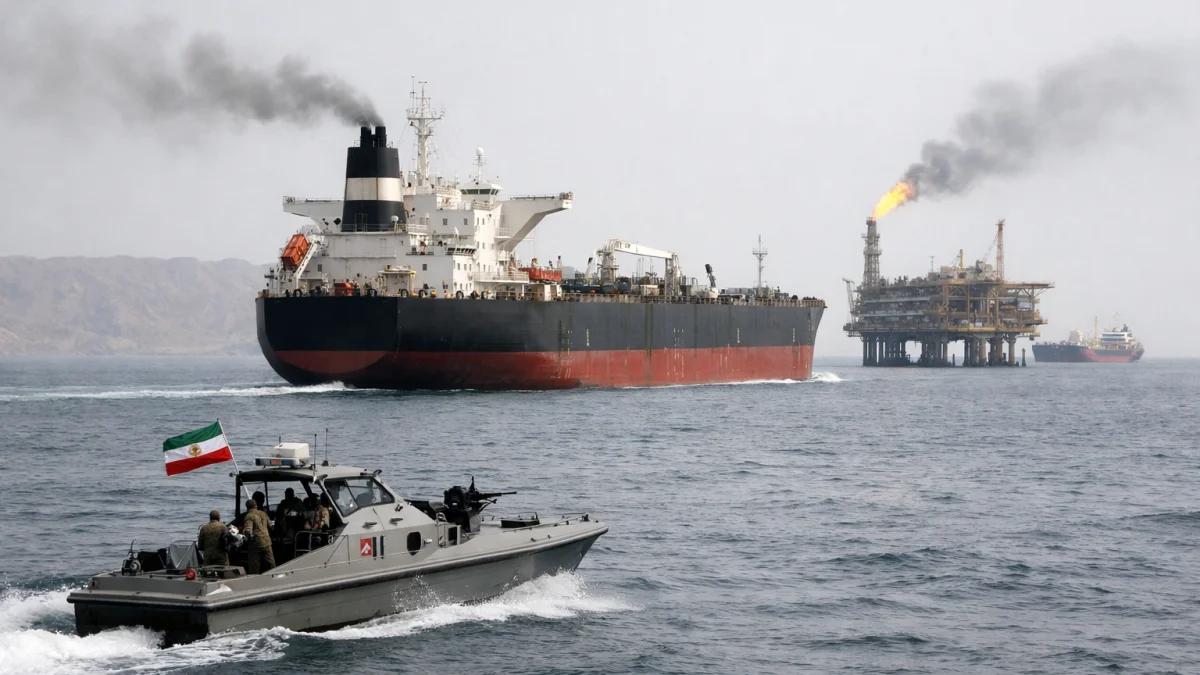
The OECD said the evolving conflict in the Middle East has been a central driver of higher energy prices and increased uncertainty for global growth prospects, with effects spreading across trade, production, and household costs. The organization added that the shock is weighing on activity across both advanced and emerging economies and is expected to continue affecting growth trajectories into 2026 and 2027 under its baseline scenarios.
The report outlined two scenarios: a time-limited disruption scenario in which energy production and trade in Gulf economies gradually return toward pre-conflict levels from mid-2026, and a prolonged disruption scenario in which supply constraints and elevated prices persist into 2027. Under the time-limited case, OECD projects global growth slowing to about 2.8% in 2026 before recovering in 2027. Under the prolonged disruption scenario, growth would be significantly weaker, with global expansion potentially falling closer to 2.1% in 2026.
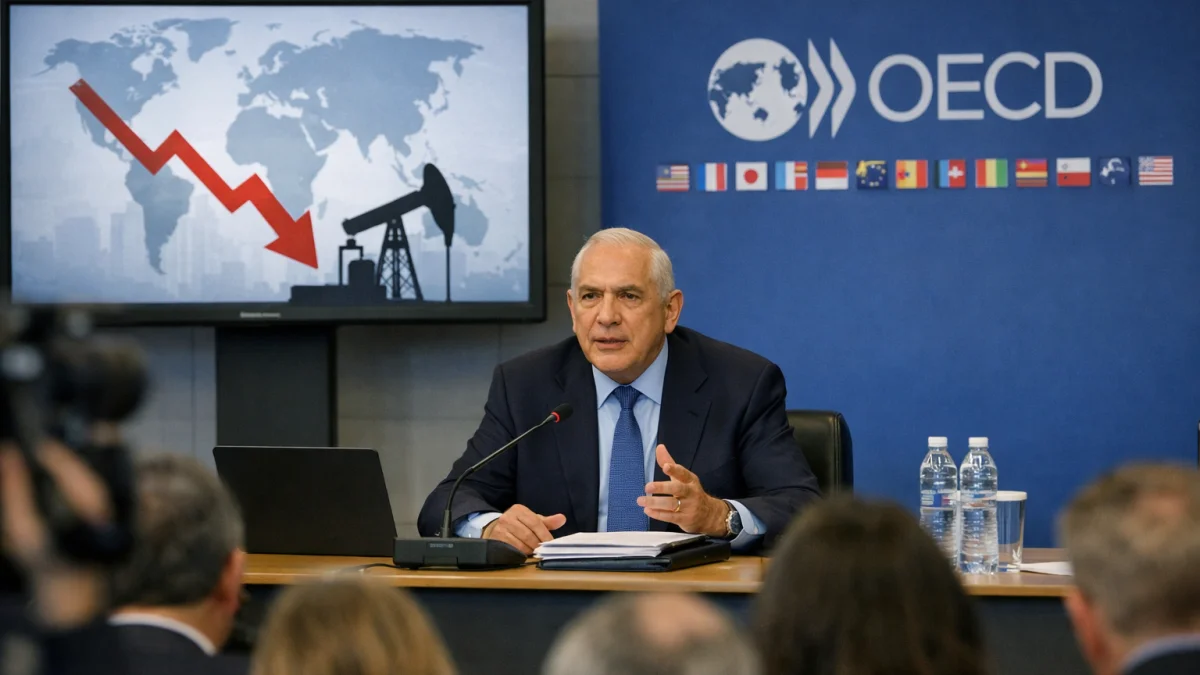
OECD Secretary-General Mathias Cormann said in the report that the global economy entered 2026 with “robust momentum” but that the outlook has deteriorated since the start of the Middle East conflict, adding that “the longer the disruptions last, the larger the economic and social costs become.”
The OECD said energy price pressures are feeding into broader inflation across goods and services, including food and industrial inputs, with spillovers affecting production costs and household purchasing power. It noted that exposure to the shock varies across countries depending on energy import dependence, supply chain linkages and available inventory buffers.
The report also urged governments to ensure any fiscal support measures are targeted and temporary, warning that prolonged or broad-based subsidies could increase fiscal pressures. It added that policy responses should focus on energy efficiency, diversification of supply sources and strengthening long-term resilience to future shocks.
The OECD said the outlook will be updated further in its next scheduled Economic Outlook publication, with no additional revisions announced beyond the scenarios outlined in the current report.