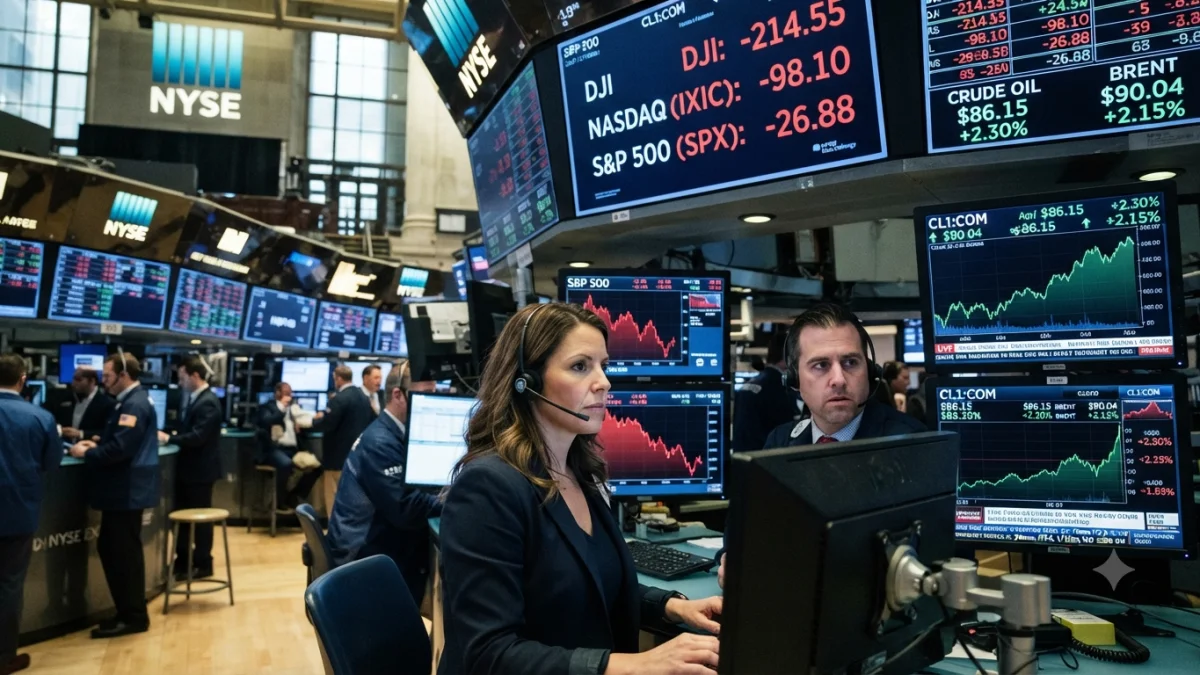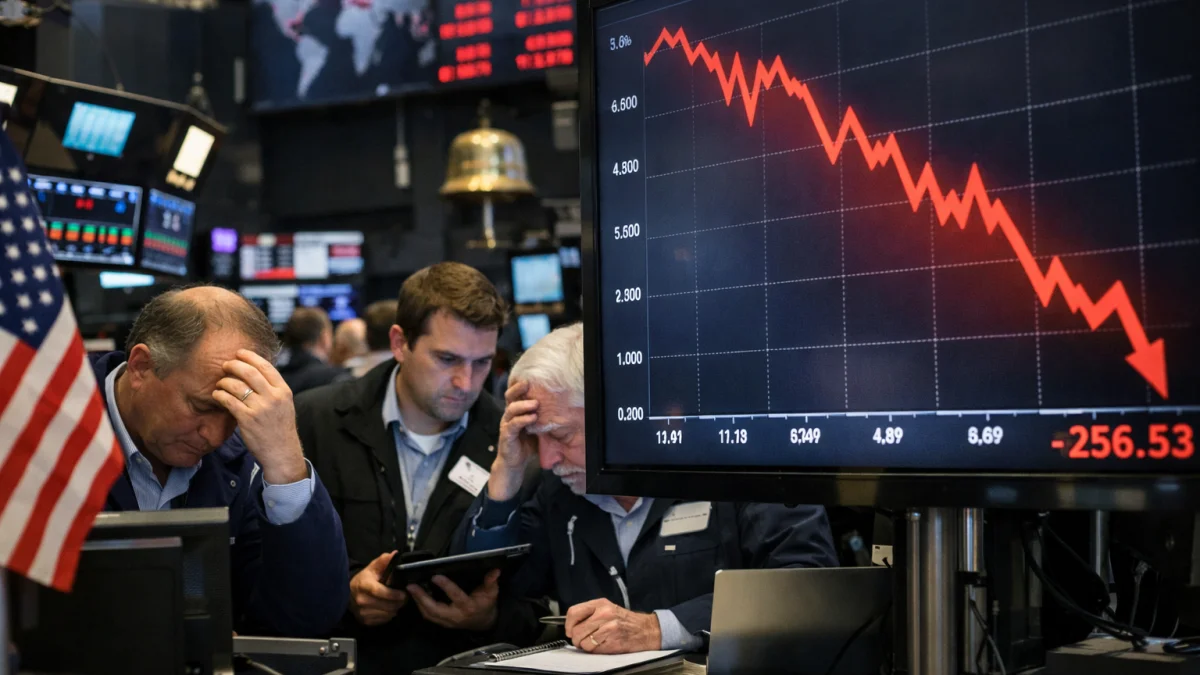


NEW YORK — Wall Street extended a technology-led selloff on Tuesday, June 23, as concerns over artificial intelligence valuations and rising costs linked to AI infrastructure spending pressured U.S. stocks and spread to global markets. The Nasdaq and S&P 500 fell to more than one-week lows, according to Reuters, with semiconductor shares among the hardest hit as investors assessed the outlook for large technology companies and potential increases in U.S. borrowing costs.
The decline followed losses across major technology companies, with investors focusing on whether the pace of AI-related investment could justify current market valuations. Reuters reported that futures tied to the Nasdaq fell more than 2% as concerns grew over expensive AI projects financed through borrowing and the possibility of a more restrictive Federal Reserve policy.


Semiconductor stocks led the broader market decline. Reuters reported that the Philadelphia Semiconductor Index dropped sharply during the session, while several major chipmakers recorded significant losses. Companies involved in AI hardware and data infrastructure faced pressure as investors reviewed expectations for future demand and spending.
The weakness in U.S. technology stocks also affected markets overseas. European shares declined on Tuesday, with the STOXX 600 index lower as technology companies came under pressure from concerns about AI investment costs and interest rates, according to Reuters. Asian markets also moved lower following the Wall Street selloff, with technology and semiconductor companies among those affected.
Market participants have been monitoring the large expansion in AI-related spending by major technology firms, including investments in computing infrastructure and data centers. Some investors have questioned whether future earnings growth will match the scale of current spending, while technology companies have continued to point to demand for AI services and products. Details on the long-term impact of the market move remain unclear.
Analysts cited by Reuters said the recent pressure reflected a combination of concerns about AI spending, company valuations and expectations for Federal Reserve policy. “There’s a distinguishing aspect in this market between those who are receiving the checks, like memory and DRAM names, and those who are writing the checks,” David Wagner, head of equity and portfolio manager at Aptus Capital Advisors, said, according to Reuters.
By the latest trading session, investors were awaiting further economic data and corporate updates for indications on inflation, interest rates and technology-sector performance. Markets remained focused on developments in AI-related companies and broader monetary policy expectations, according to market reports.