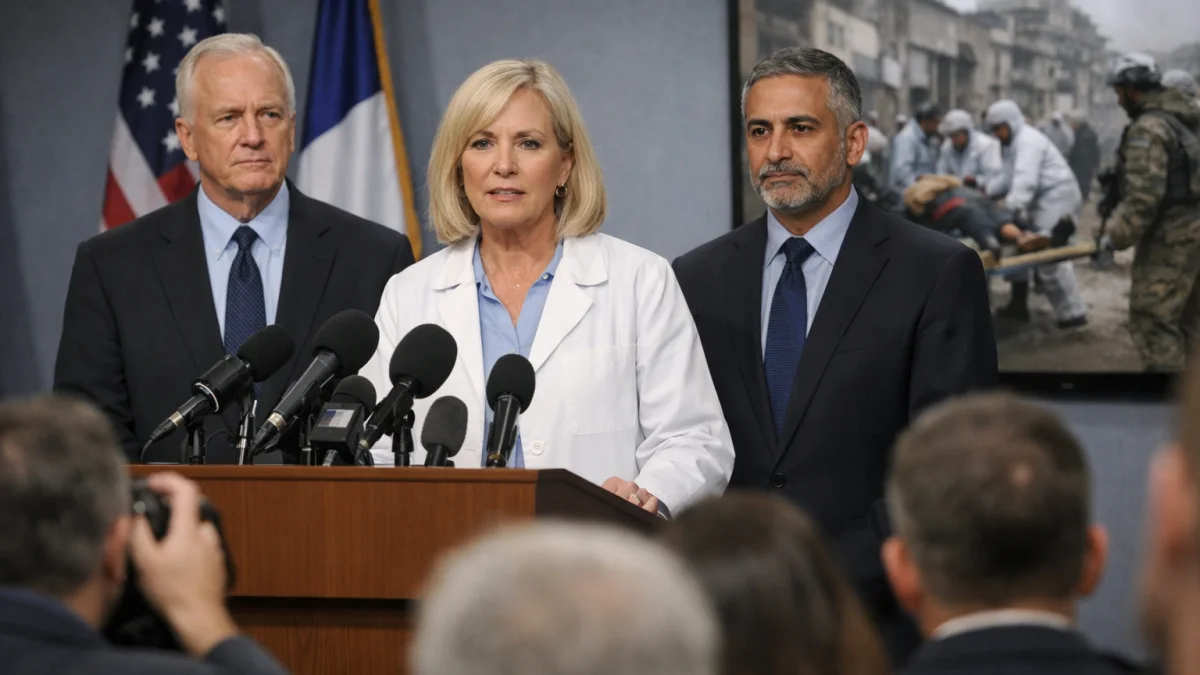


GENEVA — Health officials and humanitarian agencies on Monday warned that recent conflicts in the Middle East, Eastern Europe and Africa are continuing to strain health systems, disrupt access to medical care and increase the risk of disease outbreaks, according to statements from the World Health Organization (WHO) and national health authorities.
The WHO said ongoing conflicts have damaged hospitals, displaced civilians and interrupted the delivery of medicines and medical supplies in several regions. In a situation update released last week, the agency said the escalation of conflict in the Middle East had affected health services, forced people from their homes and complicated access to treatment for patients with chronic illnesses and emergency medical needs.


“People have been forced to flee their homes, the violence has killed and injured civilians and health workers, and damaged health facilities,” the WHO said in its latest assessment of the Middle East situation. The agency added that disruptions to transportation routes were affecting the movement of humanitarian supplies and medical equipment.
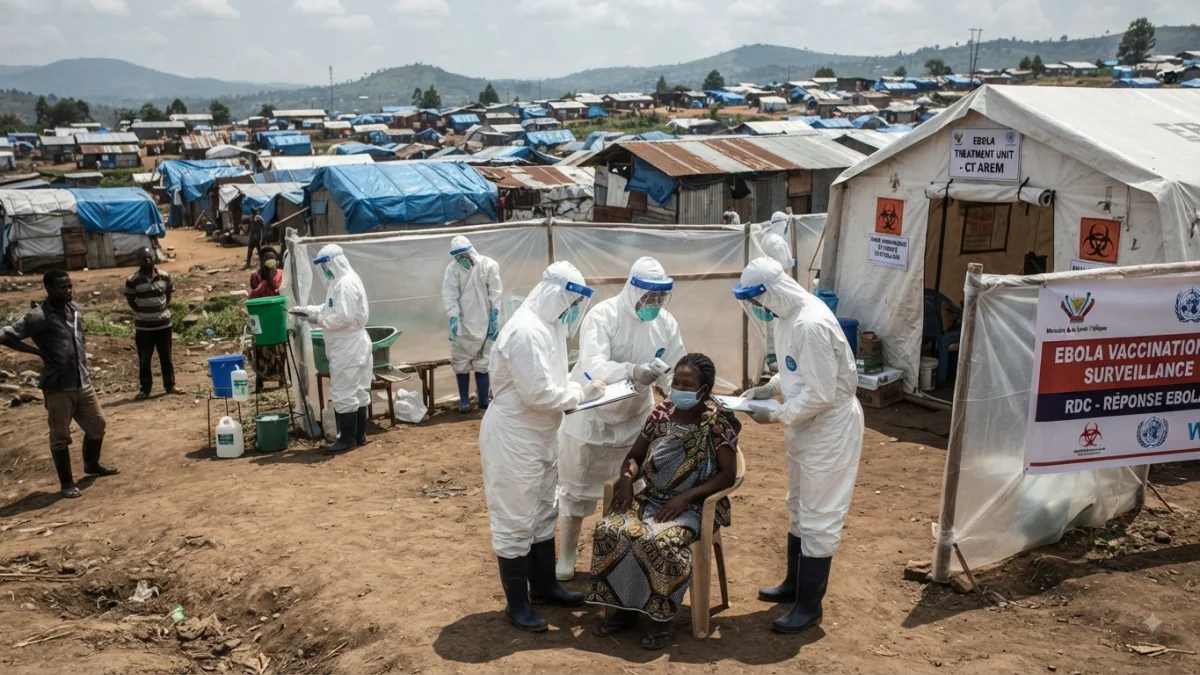
Health officials said the impacts extend beyond immediate injuries. WHO reports have highlighted concerns about communicable diseases in crowded shelters, interruptions to vaccination programs and reduced access to essential services, including maternal and child healthcare. In some areas, shortages of fuel and medical supplies have further limited the ability of hospitals and clinics to operate normally.
The organization also reported that attacks on healthcare facilities and medical personnel have increased in several conflict-affected regions. WHO officials told reporters in April that damage to hospitals and clinics was reducing the availability of care at a time when demand for emergency services remained high.
In Sudan, where fighting has continued in several areas, the WHO said millions of people remain without reliable access to healthcare. The agency reported that disease outbreaks and malnutrition have worsened in some regions while many health facilities remain partially operational or closed because of insecurity and damage.
The WHO has also expressed concern about public health risks linked to displacement. In a March update, the agency said overcrowded living conditions and limited access to clean water and sanitation could increase the spread of respiratory and diarrheal diseases among vulnerable populations, including children and older adults.
Humanitarian organizations and governments have continued to provide emergency assistance, including trauma care, disease surveillance, vaccination programs and medical supplies. WHO Director-General Tedros Adhanom Ghebreyesus said earlier this year that support for health services in crisis areas remains a priority and called for additional international assistance.
As of Monday, health agencies said they were continuing to monitor conditions in conflict-affected regions and coordinate emergency responses. Officials cautioned that the full health consequences of recent conflicts may take time to assess, and details remain unclear in several areas where access for humanitarian workers is limited.