

KINSHASA — Health officials and humanitarian agencies are intensifying disease surveillance in conflict-affected regions as outbreaks and disrupted healthcare services raise concerns about the potential spread of infectious diseases among displaced and vulnerable populations, according to the World Health Organization (WHO) and national authorities.
The focus has centered on eastern Democratic Republic of the Congo (DRC), where an outbreak of Bundibugyo virus disease, a form of Ebola, has expanded in areas affected by armed violence, population displacement and limited access to healthcare. WHO said on June 13 that the outbreak continues to evolve rapidly, with confirmed cases reported across multiple health zones in Ituri, North Kivu and South Kivu provinces.


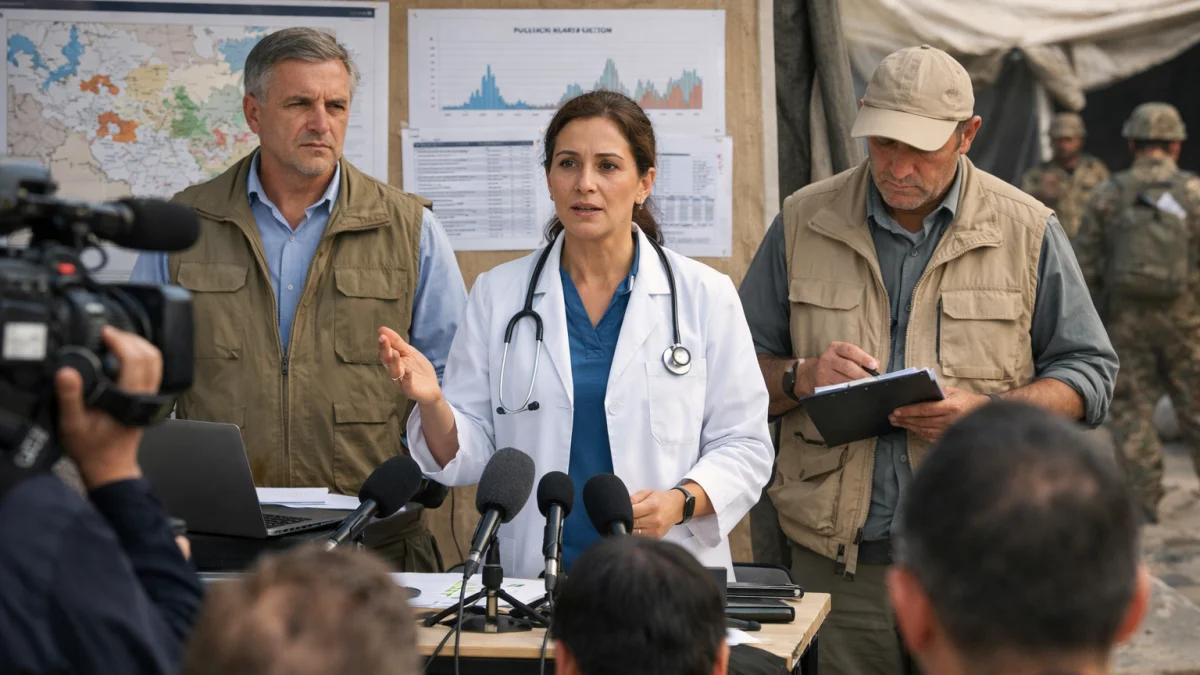
Health authorities said conflict-related conditions have complicated response efforts. According to WHO, increasing security incidents affecting health facilities have disrupted surveillance activities, limited access for response teams and increased the risk that cases could go undetected. The agency said the outbreak is unfolding in a “complex humanitarian and conflict-affected environment” characterized by population movement and displacement.
“The outbreak is unfolding in a complex humanitarian and conflict-affected environment,” WHO said in its latest situation report, noting that security challenges have constrained public health operations in affected areas.
The DRC outbreak has also led to cross-border transmission into neighboring Uganda, according to WHO. Ugandan health authorities have reported imported cases and limited secondary transmission linked to travelers from the DRC, while officials said no community transmission has been documented in Uganda to date. Surveillance, contact tracing and monitoring programs remain active in both countries.
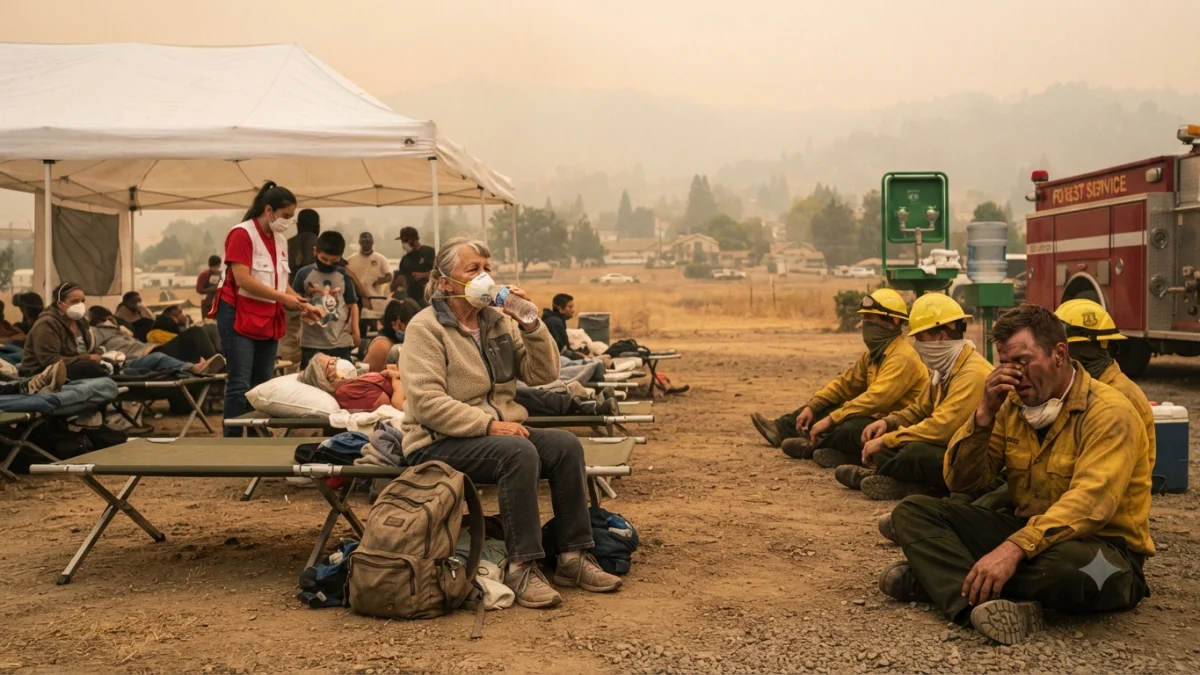
Public health experts have long warned that conflicts can increase disease risks by disrupting vaccination programs, reducing access to medical care and forcing people into crowded living conditions. WHO said humanitarian crises frequently interrupt routine health services and can increase exposure to infectious diseases, particularly when health systems are weakened.
International organizations, including WHO and Africa CDC, are supporting response efforts through laboratory testing, contact tracing, treatment programs and preparedness initiatives in neighboring countries. Officials said regional monitoring has been strengthened because of continued population movement across borders.
The WHO director-general previously expressed concern about the speed and scale of the outbreak, citing cases in conflict-affected areas and infections among healthcare workers as factors complicating containment efforts.
As of Monday, health authorities continued monitoring transmission patterns, expanding surveillance networks and supporting affected communities. Officials said disease-control efforts remained underway, while security challenges and humanitarian conditions continued to affect access to some areas. Details regarding the full extent of health needs in several conflict-affected regions remain unclear.