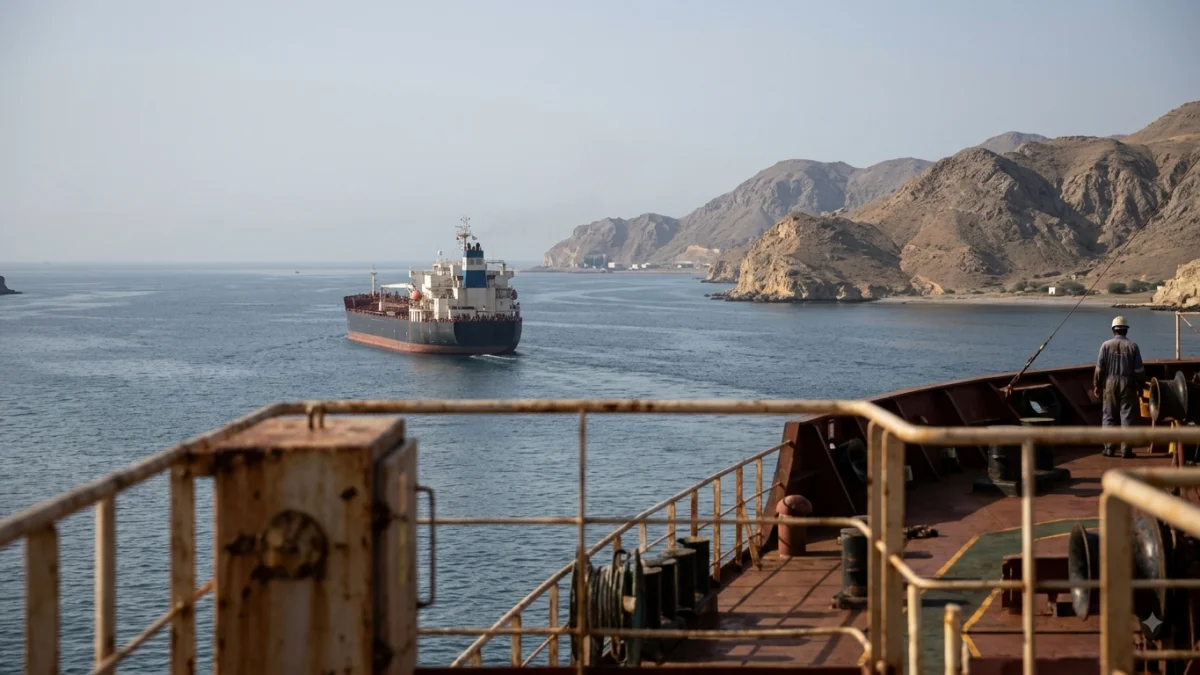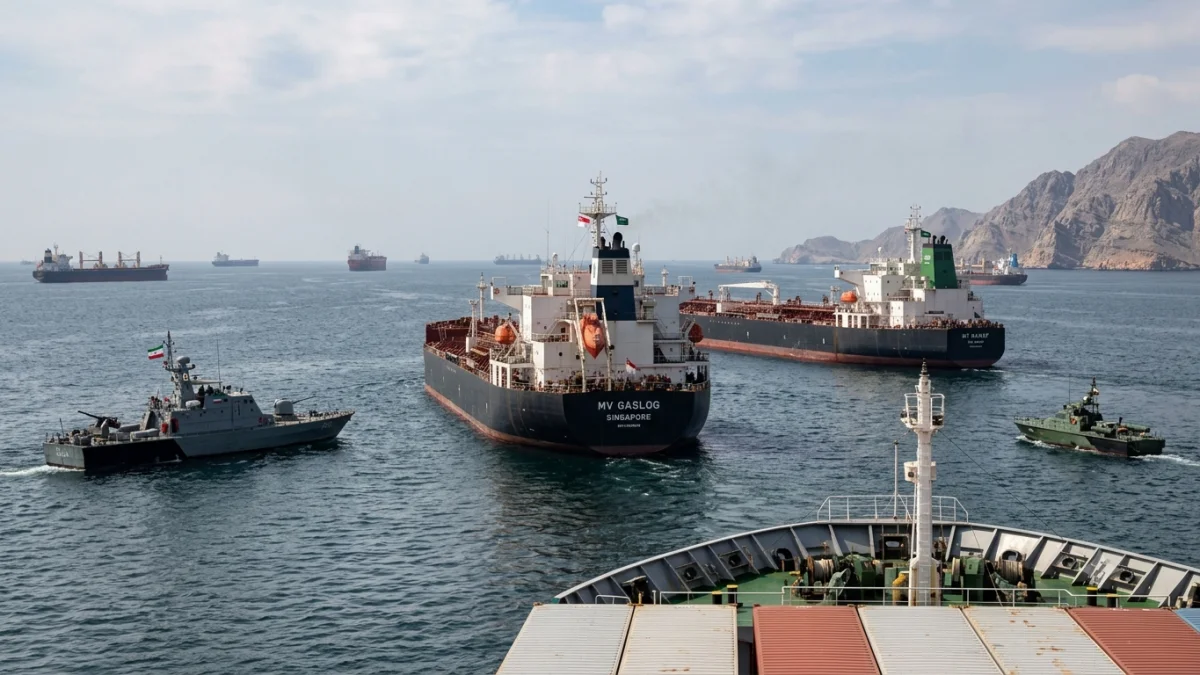


Oil prices swung sharply on Aug. 4 after optimism over renewed U.S.-Iran diplomacy briefly eased fears of prolonged disruption in the Strait of Hormuz, only for continuing security incidents and unresolved negotiations to reinforce concerns that one of the world's most important energy chokepoints remains vulnerable. The volatile trading underscored how geopolitical developments, rather than underlying supply-demand fundamentals alone, continue to dominate global oil markets.
The latest price movements matter because they illustrate that financial markets are no longer reacting simply to whether the Strait of Hormuz is open or closed. Instead, investors are assessing the reliability of energy flows through a corridor that historically has carried roughly one-fifth of global oil supplies. Even modest signs of diplomatic progress can trigger substantial declines in crude prices, while reports of attacks on commercial shipping or setbacks in negotiations quickly restore a geopolitical risk premium.


Brent crude fell about 4% after officials from Qatar and the United States suggested negotiations could produce an agreement to reopen shipping routes more fully. U.S. Treasury Secretary Scott Bessent said an arrangement could emerge within days, while mediators including Oman and Pakistan continued diplomatic efforts. However, market optimism remained limited because maritime security conditions have yet to improve decisively and commercial traffic through the Strait continues to operate below pre-conflict levels.
At the same time, reports that another commercial vessel had been struck near the Strait highlighted why traders remain reluctant to remove the geopolitical premium embedded in oil prices. According to reporting on Aug. 4, negotiations remain complicated by disagreements over shipping rules, security arrangements, sanctions relief and Iranian demands related to control of transit through the waterway. Those unresolved issues have prevented a durable normalization of energy exports despite repeated diplomatic initiatives.
The persistence of market volatility reflects the strategic importance of the Strait of Hormuz within the global energy system. Saudi Arabia, Iraq, Kuwait, the United Arab Emirates and other Gulf producers depend heavily on the passage to reach international markets. Although some exporters have expanded pipeline capacity and alternative export routes over the past decade, analysts generally agree that no existing infrastructure can fully replace Hormuz's role if disruption becomes prolonged. As a result, even limited interruptions have an outsized influence on futures markets, freight rates and insurance costs.
Financial institutions have increasingly emphasized that uncertainty itself has become an economic variable. Barclays recently warned that continued disruption could push Brent prices above its baseline forecast, with longer-lasting restrictions creating progressively larger upside risks. Goldman Sachs has similarly indicated that oil prices are likely to remain elevated unless negotiations produce a durable improvement in Gulf shipping or, alternatively, broader conflict significantly alters regional conditions.
Recent price action also demonstrates that markets distinguish between temporary operational improvements and lasting political settlements. Tanker movements have shown intermittent recovery since earlier stages of the crisis, yet shipping companies, insurers and commodity traders continue to factor security risks into commercial decisions. That means physical oil flows can remain constrained even when outright military escalation subsides, limiting the speed at which supply conditions normalize.
The implications extend well beyond energy markets. Oil price volatility feeds directly into inflation expectations, transportation costs and monetary policy calculations. On Aug. 4, U.S. Treasury yields moved higher as investors weighed renewed inflation risks associated with fluctuating crude prices. For central banks that have been attempting to balance slowing inflation against uncertain economic growth, sustained energy-price volatility complicates interest-rate decisions by increasing uncertainty over future consumer prices.
Businesses exposed to fuel costs face similar challenges. Airlines, shipping firms, manufacturers and chemical producers typically rely on more stable energy prices when planning investment and procurement. Frequent price swings driven by geopolitical developments make hedging strategies more expensive and reduce confidence in longer-term cost projections. Oil-importing economies across Asia and Europe remain particularly sensitive because higher crude prices can widen trade deficits and increase fiscal pressure through fuel subsidies or consumer support measures.
OPEC+ production policy has provided only limited relief to these concerns. Although the producer group has continued unwinding portions of earlier output cuts, analysts note that additional production quotas cannot fully offset disruptions if Gulf exports remain constrained by security conditions rather than production capacity. Consequently, supply management by producers has become secondary to developments affecting transportation through the Strait itself.
Historical experience suggests that geopolitical risk premiums often fade only after markets gain confidence that shipping can continue without persistent interruption. Previous tensions involving the Strait of Hormuz have produced temporary price spikes followed by gradual normalization once commercial operators regained confidence. The current environment differs because negotiations remain incomplete while isolated security incidents continue, preventing a clear shift toward lower-risk pricing.
As of Aug. 4, the confirmed picture is one of continuing volatility rather than resolution. Diplomatic efforts involving the United States, Iran and regional mediators remain active, and officials have expressed cautious optimism about further progress. At the same time, maritime security incidents and unresolved disputes over transit arrangements continue to pose risks to Gulf energy exports. Markets are therefore closely monitoring negotiations, commercial shipping activity and official security assessments for evidence that oil flows through the Strait of Hormuz can return to a more stable and predictable footing.