

LONDON — Oil prices rose on Thursday as uncertainty persisted over the implementation of a two-week ceasefire between the United States and Iran, particularly regarding the reopening of the Strait of Hormuz, traders and analysts said.
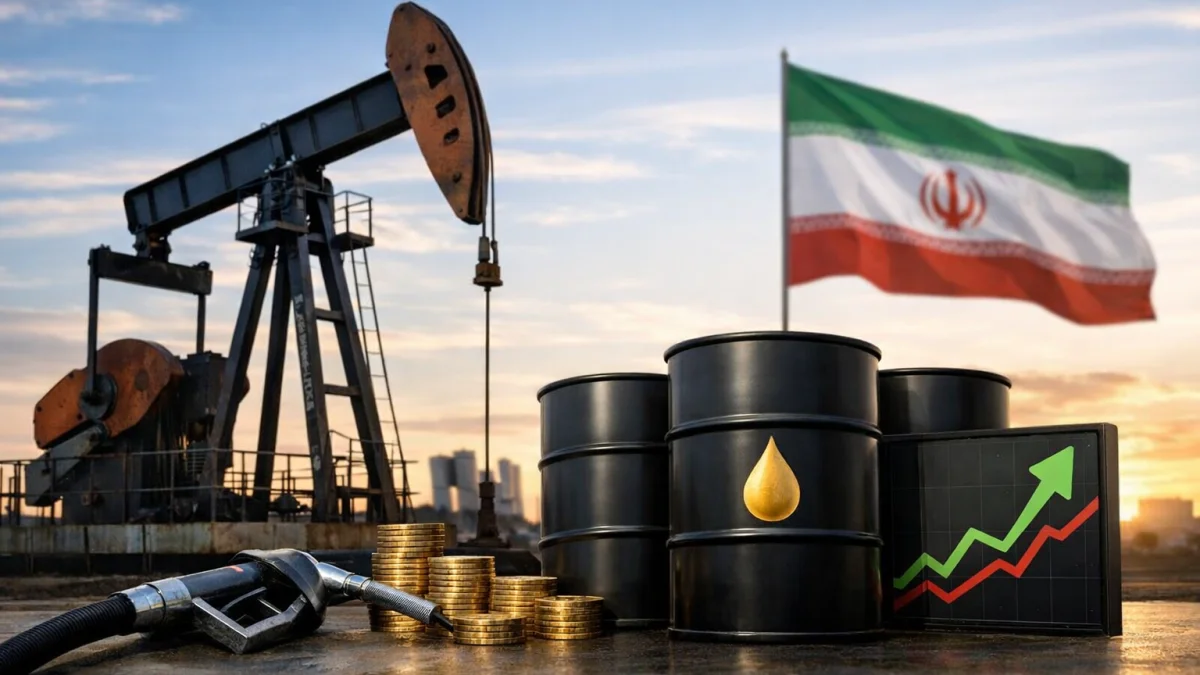
Brent crude futures climbed more than 3 percent to around $98 per barrel, while U.S. West Texas Intermediate crude gained about 5 percent to near $99 per barrel in early trading, according to market data. The increases followed an initial sharp drop after the ceasefire announcement on April 7, when prices fell more than 15 percent on hopes that shipping through the strategic waterway would resume quickly.


Shipping traffic through the Strait of Hormuz, which normally carries about one-fifth of global oil and gas supplies, remained heavily restricted despite the truce. Maritime tracking showed only a handful of vessels had passed through in the days since the agreement, with Iran maintaining tight control over transit. Iranian officials had linked any reopening to full compliance with the ceasefire terms, including an end to Israeli actions in Lebanon.
The ceasefire, announced by U.S. President Donald Trump and mediated in part by Pakistan, was intended to pause direct hostilities between Washington and Tehran. It included provisions for safe passage through the strait. However, Iran accused the U.S. of violating the framework after Israeli airstrikes in Lebanon on Wednesday, prompting Tehran to keep shipping limited.
U.S. Vice President JD Vance, who will lead the American delegation in negotiations with Iran starting this weekend in Islamabad, described the situation as messy. "I think the Iranians thought that the ceasefire included Lebanon, and it just didn't," Vance said on Wednesday.
White House officials maintained that the agreement applied only to direct U.S.-Iran exchanges and did not cover Israel's operations against Hezbollah. Iran’s Foreign Minister Abbas Araghchi stated on X that the terms required the U.S. to choose between upholding the truce or permitting continued conflict through Israel.
Shipping companies, including Maersk, reported a lack of full maritime certainty, saying decisions on transiting the strait would depend on ongoing risk assessments and guidance from authorities. The restrictions followed more than a month of regional escalation that had already disrupted Gulf oil flows.
Pakistan’s role as mediator continued, with talks aimed at clarifying the ceasefire’s scope ahead of the Islamabad meetings. Iranian authorities indicated limited shipping could resume under their oversight, but volumes stayed far below normal levels.
As of Thursday evening, oil markets remained volatile amid the disagreements. No major new incidents were reported in the strait, though diplomats urged restraint as preparations for the negotiations advanced. Details on exact shipping volumes and the full impact on global supply chains remained unclear as monitoring continued.