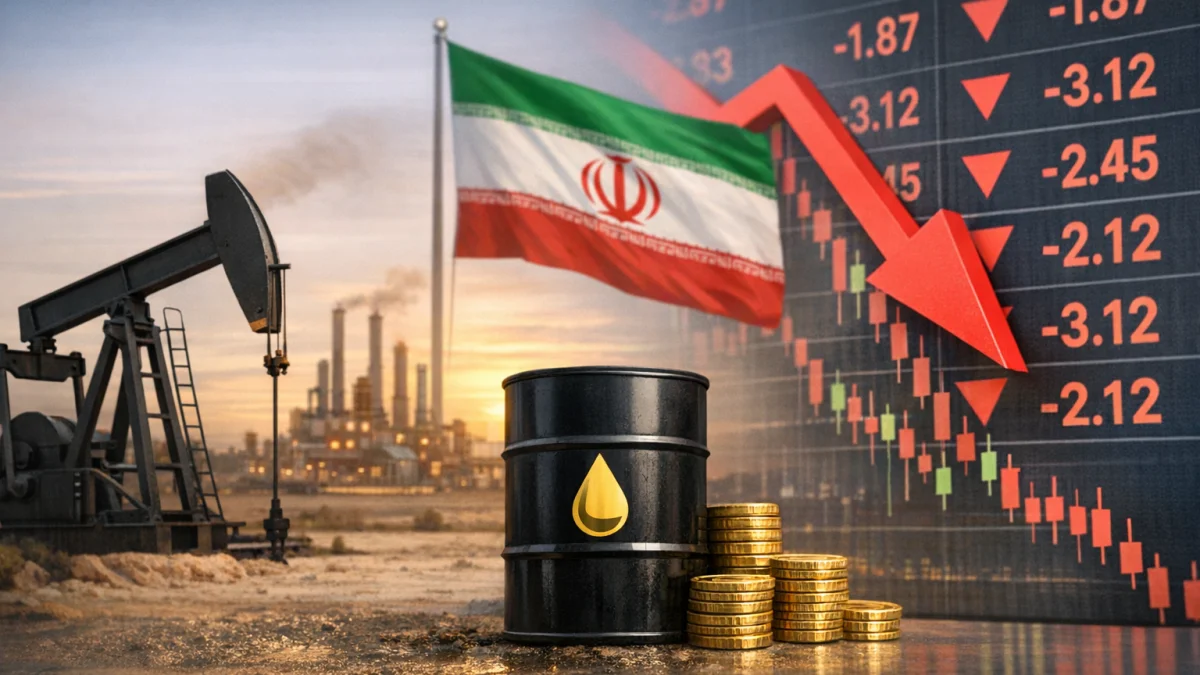


NEW YORK — Oil prices rose and stock markets declined Tuesday as hopes for a swift ceasefire in the Iran conflict diminished ahead of a U.S. deadline for Tehran to reopen the Strait of Hormuz.
Brent crude climbed above $111 a barrel during trading, while U.S. West Texas Intermediate crude reached $115.30 a barrel, up 2.6 percent at one point, according to market data. U.S. stock futures fell about 0.5 percent, and Asian shares struggled to hold early gains as investors weighed geopolitical risks tied to the deadline set by President Donald Trump for 8 p.m. ET Tuesday.


The moves reversed some of the previous day’s calmer trading, when oil prices fell in choppy sessions after the U.S. and Iran received a framework for a potential ceasefire proposal. Iran rejected immediate reopening of the Strait of Hormuz and called instead for a permanent end to the conflict, multiple reports said. Trump has threatened strikes on Iranian power plants and bridges if the waterway, a key route for global oil shipments, remains closed.
“Markets are once again on edge as the U.S.-Iran conflict enters a critical phase,” Daniela Hathorrn, senior market analyst at Capital.com, said in a note. “The situation has evolved into a near-term binary outcome: either escalation through direct strikes on Iranian infrastructure, or a last-minute de-escalation that could trigger a sharp reversal in risk assets.”
European stocks showed mixed performance amid thin trading volumes following the Easter holiday. The FTSE 100 ended slightly lower after earlier gains, while Germany’s DAX and France’s CAC 40 posted modest advances before pulling back, according to trading platforms. U.S. markets closed the previous session on a cautiously positive note but futures indicated renewed caution Tuesday.
The volatility reflected persistent concerns over supply disruptions in the Middle East. The International Energy Agency has described the current energy supply disruption as more serious than previous crises in 1973, 1979 and 2022 combined, its executive director Fatih Birol told Le Figaro. IEA member countries have begun releasing strategic reserves to help ease price pressure, Birol said.
Oil prices have remained elevated since the conflict escalated earlier this year, embedding a geopolitical risk premium. Analysts noted that thin liquidity around the holiday period contributed to sharp swings, with some resilience in equities attributed to technical factors rather than fundamental optimism.
U.S. Treasury yields edged higher to around 4.35 percent, adding to pressure on risk assets. Gold prices dipped slightly, trading near $4,644 an ounce.
As the deadline approached Tuesday evening, no confirmation of a deal or further military action had emerged from either side. Iranian officials had not issued new statements on negotiations in immediate reports. Market participants continued to monitor developments, with trading expected to remain volatile into the overnight hours.