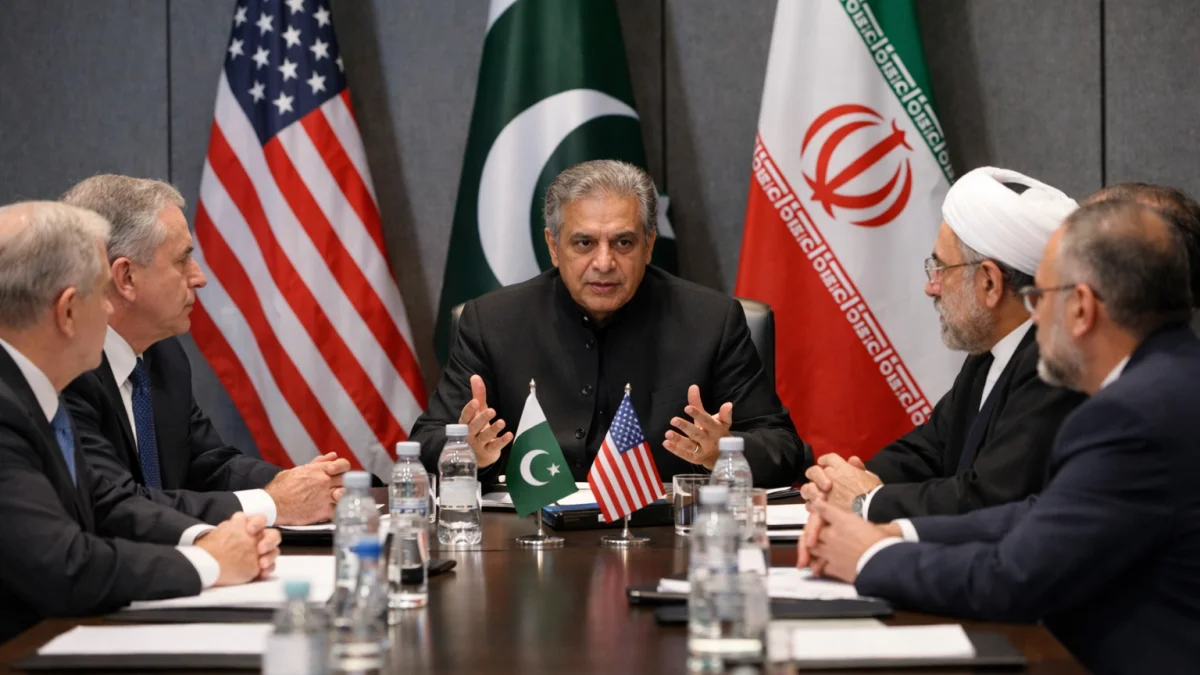


ISLAMABAD — Pakistan has played a central role in mediating a framework agreement between the United States and Iran aimed at solidifying a ceasefire and ending months of conflict, officials from all three countries said on Monday.
Pakistani Prime Minister Shehbaz Sharif announced that the U.S. and Iran had reached agreement on the wording of a deal, with a formal signing ceremony scheduled for Friday in Switzerland. The framework includes provisions for a permanent halt to military operations, including in Lebanon, and the reopening of the Strait of Hormuz, Pakistani officials said.


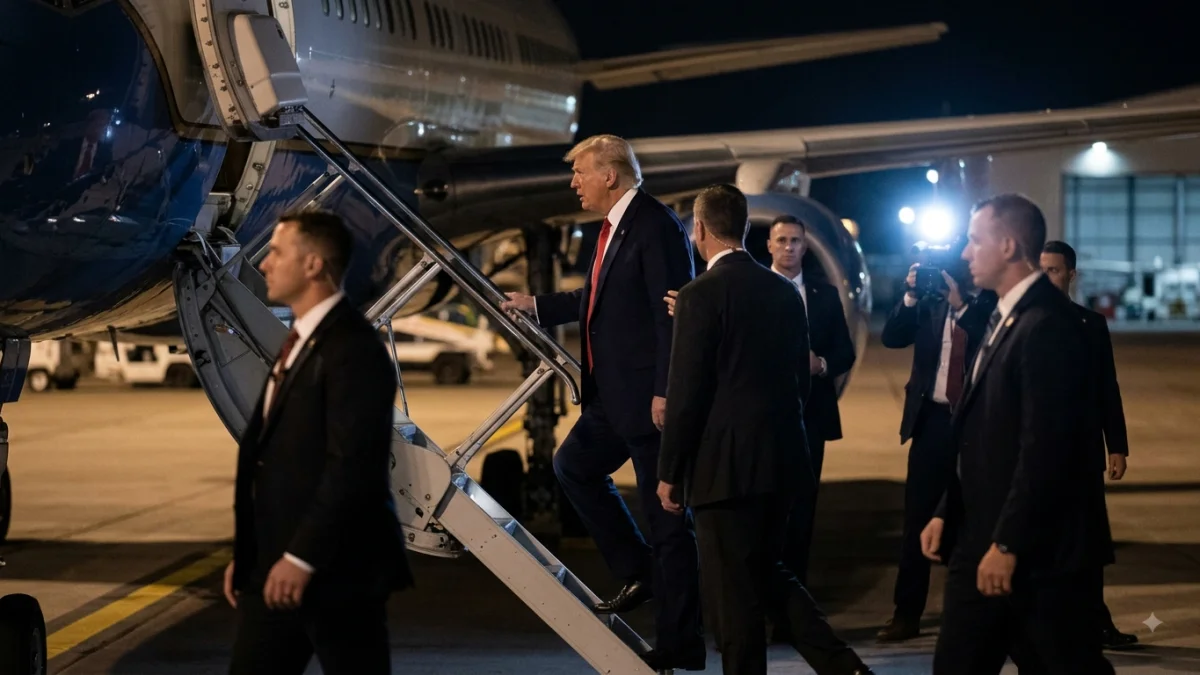
The development follows Pakistan-brokered talks that began after an initial two-week ceasefire took effect on April 8. That temporary pause in fighting came hours before a deadline set by U.S. President Donald Trump for potential strikes on Iran.
Pakistan's army chief, Field Marshal Syed Asim Munir, has led much of the diplomatic effort, including visits to Tehran and backchannel communications with U.S. officials, according to Pakistani and regional sources.
"The United States and Iran have agreed to the framework after intensive talks," Sharif said in a statement. He credited efforts by Pakistani officials for helping bridge differences between the two sides.
U.S. President Trump confirmed the agreement shortly after Sharif's announcement, stating on Truth Social that "the deal with the Islamic Republic of Iran is now complete." Iranian officials have also acknowledged Pakistan's mediation role in public statements.
The conflict escalated earlier in 2026 following U.S.-Israeli actions against Iranian targets. The April ceasefire, initially limited to two weeks, was extended indefinitely amid ongoing negotiations hosted in part in Islamabad. Subsequent rounds of talks involved mediators from Pakistan, Qatar, Egypt and Turkey.
Details of the full framework remain limited. Pakistani officials described it as a memorandum of understanding that would pave the way for further technical discussions on Iran's nuclear program, sanctions and regional security. Both sides have described the agreement as a step toward de-escalation, though implementation timelines were not immediately specified.
Iranian Foreign Minister Abbas Araghchi previously expressed appreciation for Pakistan's efforts, while U.S. officials have noted the role of multiple regional actors in sustaining the ceasefire.
As of Monday, no major setbacks to the agreement had been reported. Preparatory meetings are expected in the coming days ahead of the signing in Switzerland.