

Music has long served purposes beyond entertainment. Across different societies, songs have been used to express public concerns, challenge authority, and reflect social change. In Indonesia, the tradition of socially conscious music has developed over decades and continues to evolve in the digital era.
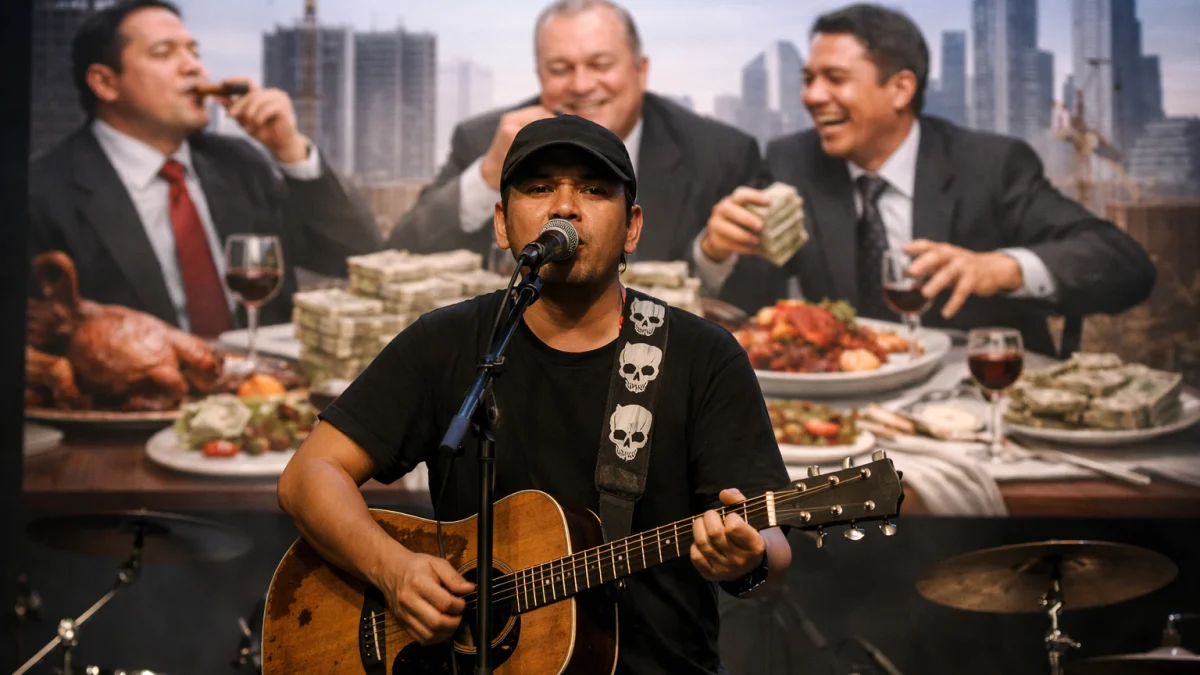
As discussions about economic inequality, urban development, environmental issues, and changes in community spaces gain attention, themes of social criticism have re-emerged in independent music circles. One phrase that reflects these concerns is “Pesta Para Babi Pembangunan,” a metaphor often associated with greed, power, and development perceived as benefiting certain groups more than society as a whole.


The expression combines powerful symbolism with commentary on social realities. In Indonesian popular culture, the term “babi” (pig) is frequently used as a symbol of greed, corruption, or moral decline. Meanwhile, “pembangunan” (development) refers to modernization projects, economic growth, and infrastructure expansion that have played a central role in public discourse for decades.
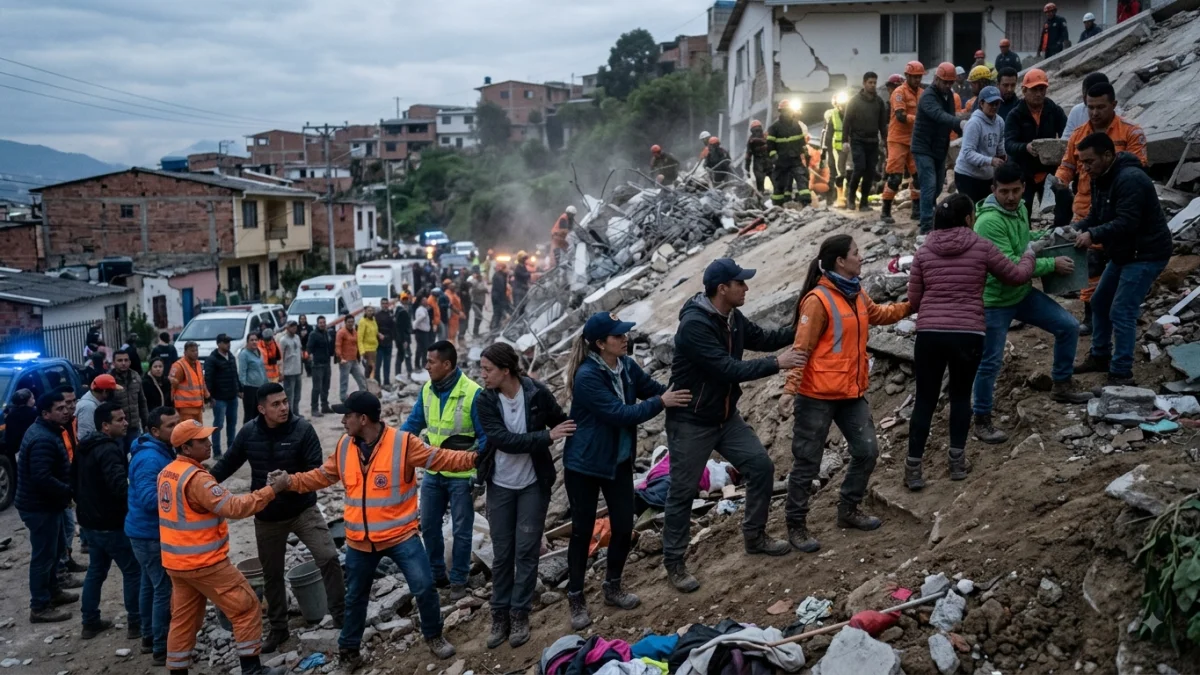
Together, the phrase creates an image of those perceived to benefit most from development processes, while other communities may experience economic pressure, displacement, environmental degradation, or widening social inequality. As a result, themes such as these often appear in music that embraces protest, resistance, and anti-establishment perspectives.
Genres including punk, metal, hardcore, and alternative rock have historically provided platforms for musicians to voice public frustrations. Aggressive sounds, fast tempos, and direct lyrics are often used to communicate anger, disappointment, and concerns about specific social conditions. In many cases, music becomes a channel for expressing ideas that may be difficult to convey through formal institutions.
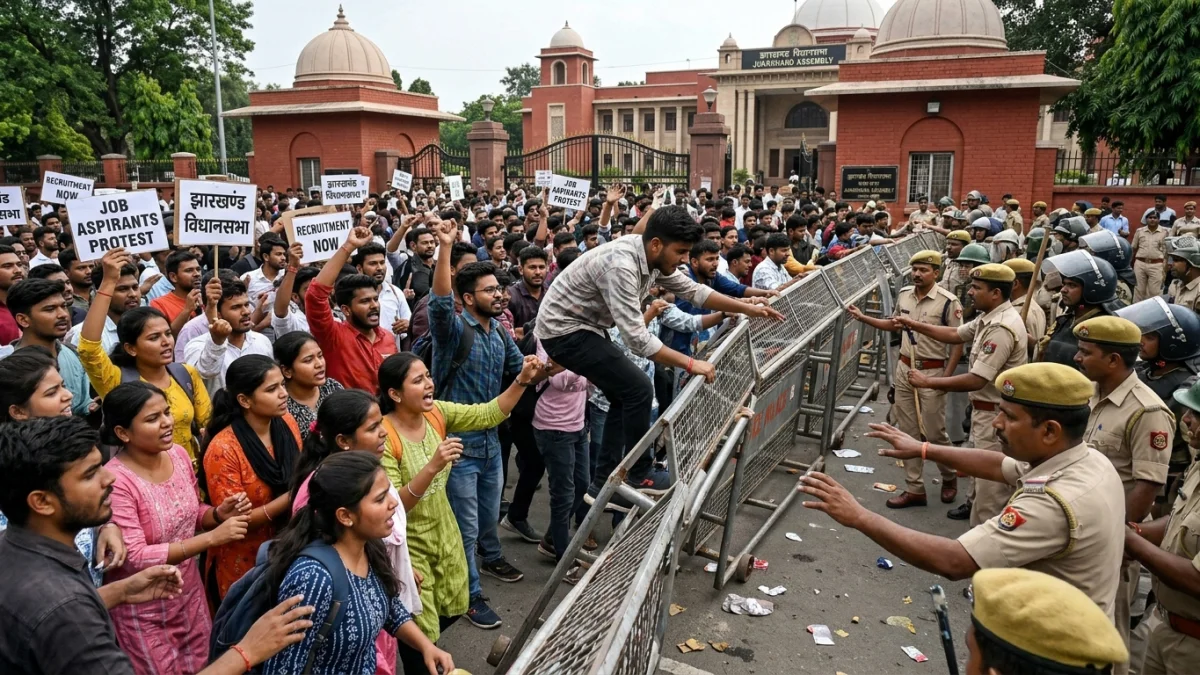
Indonesia's tradition of protest music stretches back decades. Musicians have used songs to address issues ranging from poverty and labor rights to land disputes and social injustice. During periods when freedom of expression faced greater limitations, symbolism and metaphor often became important tools for conveying criticism without directly naming specific targets.
Within this context, “Pesta Para Babi Pembangunan” can be understood as part of a broader tradition of social commentary in Indonesian music. Themes associated with the phrase frequently intersect with debates surrounding land displacement, environmental concerns, uneven development, and the concentration of wealth and power. Music transforms these complex issues into narratives that are often more emotional, accessible, and relatable to wider audiences.
Beyond serving as a form of expression, protest-oriented music also functions as a form of cultural documentation. Songs frequently capture the mood of a particular era, preserving collective anxieties, aspirations, and public responses to social change. For this reason, music is often viewed not only as an artistic product but also as a social archive that reflects the realities of its time.
The rise of digital platforms has further expanded the reach of independent music and social commentary. Social media, streaming services, and online communities allow artists to distribute their work without relying entirely on mainstream industry structures. At the same time, listeners can engage in discussions about lyrics, social experiences, and the broader issues reflected in the music they consume.
Interpretations of protest music remain diverse. Some audiences view such works primarily as artistic expression, while others see them as direct commentary on political, economic, or social conditions. This openness to interpretation is part of what gives music its enduring influence, allowing listeners to connect songs with their own experiences and perspectives.
In contemporary Indonesian popular culture, themes such as “Pesta Para Babi Pembangunan” demonstrate that music continues to serve as an important space for social reflection. Through lyrics, symbolism, and powerful sound, artists continue to document public concerns, question the direction of change, and explore the relationship between power and society in a rapidly evolving world.