

GENEVA — Public health authorities worldwide are strengthening surveillance and adaptation measures as climate change drives shifts in the patterns of infectious diseases, prompting health systems to prepare for increased risks from vector-borne and water-related illnesses.
The World Health Organization and national agencies have documented how rising temperatures, altered precipitation and extreme weather events are expanding the range of mosquitoes, ticks and other vectors, facilitating the spread of diseases such as dengue, malaria and Lyme disease into new areas. Officials reported heightened activity in several regions this year linked to warmer conditions.


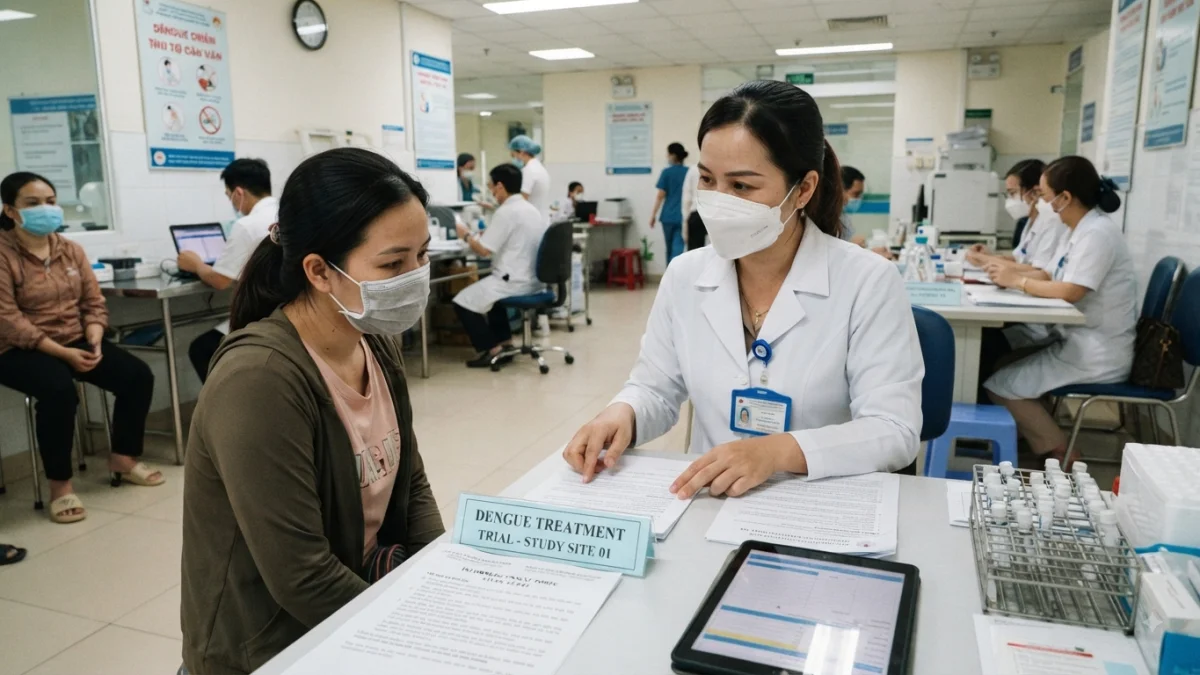
In Europe and North America, authorities noted unusual northward expansions of tick populations associated with milder winters, while tropical regions faced intensified dengue outbreaks following heavy rainfall and flooding. The WHO has projected that without stronger interventions, climate impacts could contribute to additional deaths from such diseases in coming decades.
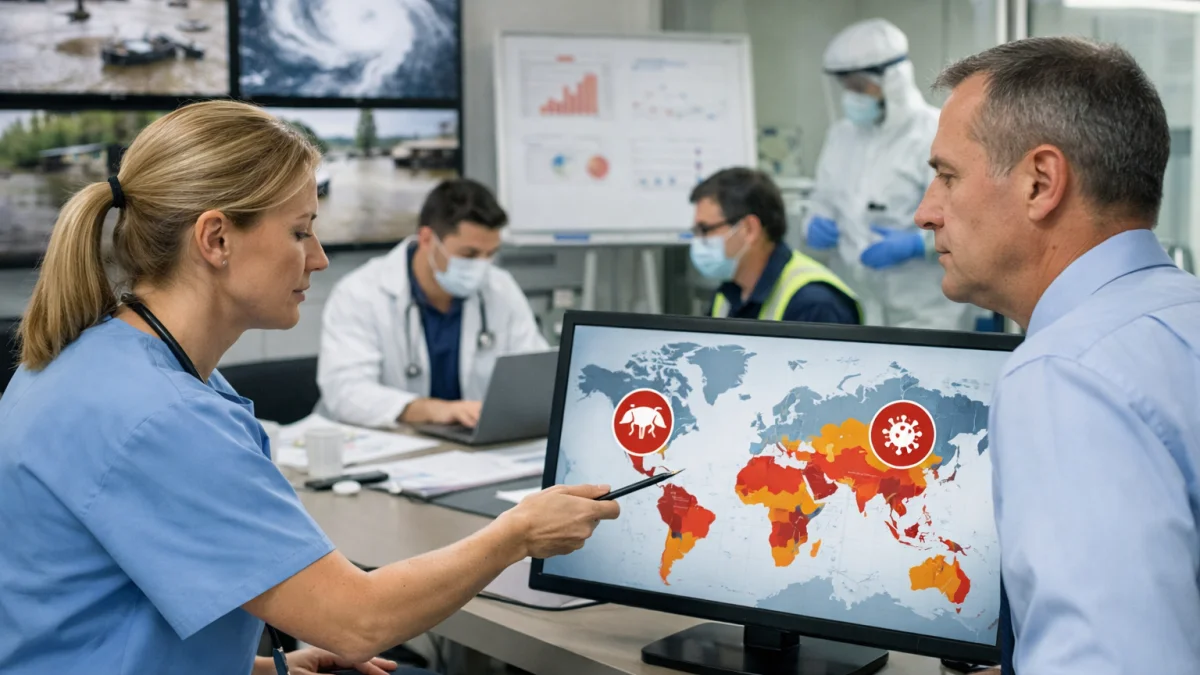
Health systems are focusing on building resilience through climate-informed surveillance, early warning systems and infrastructure upgrades. The Pan American Health Organization, for example, has supported countries in developing national adaptation plans for health, including improved medical waste management and early warning for outbreaks.
Experts emphasize integration of climate data into disease monitoring. “We must strengthen our capacity to predict and respond to these evolving risks by combining environmental and health intelligence,” said a WHO official involved in climate and health initiatives, speaking during recent coordination meetings.
The World Bank and other partners are assisting low- and middle-income countries to climate-proof health facilities and enhance workforce training. Challenges include strained resources in vulnerable regions already facing extreme weather disruptions to services.
Global efforts under the Alliance for Transformative Action on Climate and Health aim to promote low-carbon, resilient systems while addressing vulnerabilities. Recent conferences, including the Public Health World Conference, highlighted the need for integrated approaches to extreme heat, air quality and disease transmission.
As of Saturday, health ministries continued to update preparedness plans amid ongoing seasonal risks. Details on the full scope of emerging outbreaks in specific locations remained under assessment by local and international authorities, with calls for sustained investment in adaptation measures.