

BUDAPEST — Record low water levels on the Danube River are threatening electricity supplies across parts of Central and Eastern Europe, forcing governments and utilities to curb power generation, introduce energy-saving measures and seek emergency steps to stabilize grids as an intense heatwave and prolonged drought grip the region.
Hungary has called on households, businesses and major industrial users to reduce electricity consumption after low river levels disrupted cooling water supplies for the Paks nuclear power plant, the country's largest source of electricity. The government said voluntary reductions in demand had helped ease pressure on the national grid during peak evening hours, while additional conservation measures were introduced to limit consumption.


The Danube's exceptionally low flow has reduced the amount of water available for reactor cooling, forcing significant cuts in nuclear output. Neighboring Romania has also reduced generation at the Cernavoda nuclear power station after authorities restricted water use to preserve cooling capacity, while Serbia has reported sharply lower output at its Djerdap 1 hydropower plant as river inflows fell well below seasonal norms.
Authorities across the region said they were coordinating with electricity producers and large industrial consumers to maintain stable supplies while monitoring river conditions. In Hungary, officials have also suspended some freight rail operations during peak demand periods and reduced non-essential electricity use, including decorative lighting, to help balance the grid.
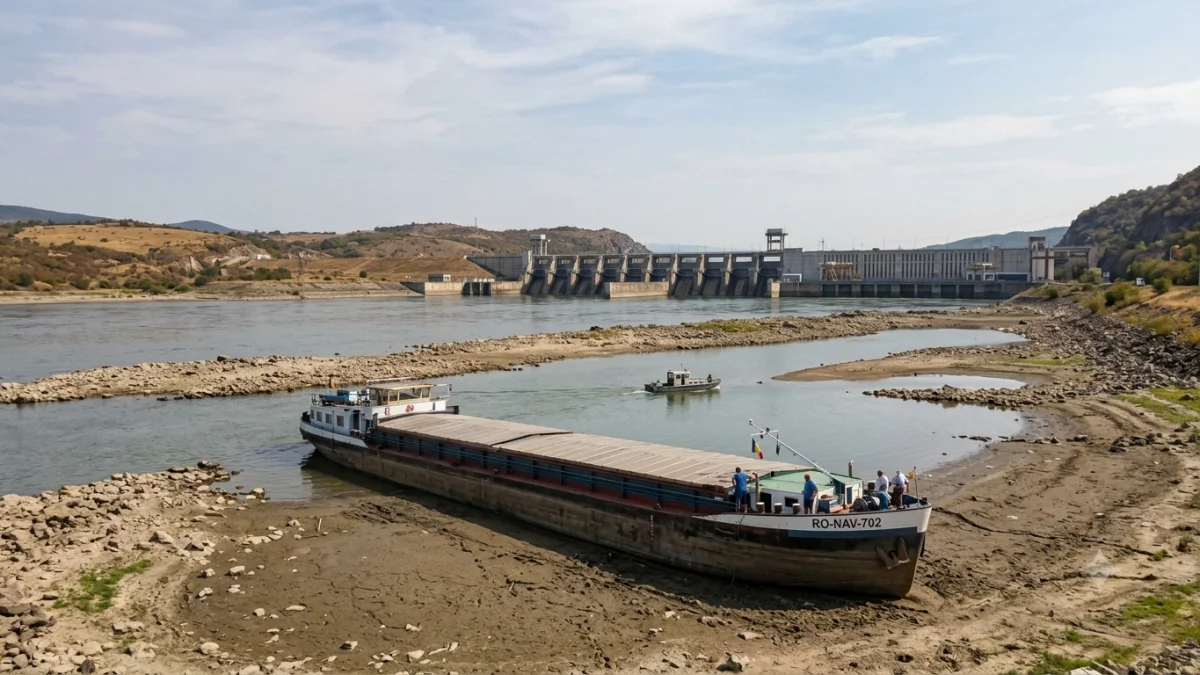
The Danube, Europe's second-longest river, is a critical transport corridor and a major source of cooling water for nuclear and thermal power stations. The prolonged drought has also disrupted commercial navigation, forcing cargo vessels to reduce loads or suspend operations in some sections because of shallow channels, adding pressure to regional fuel and commodity supply chains.
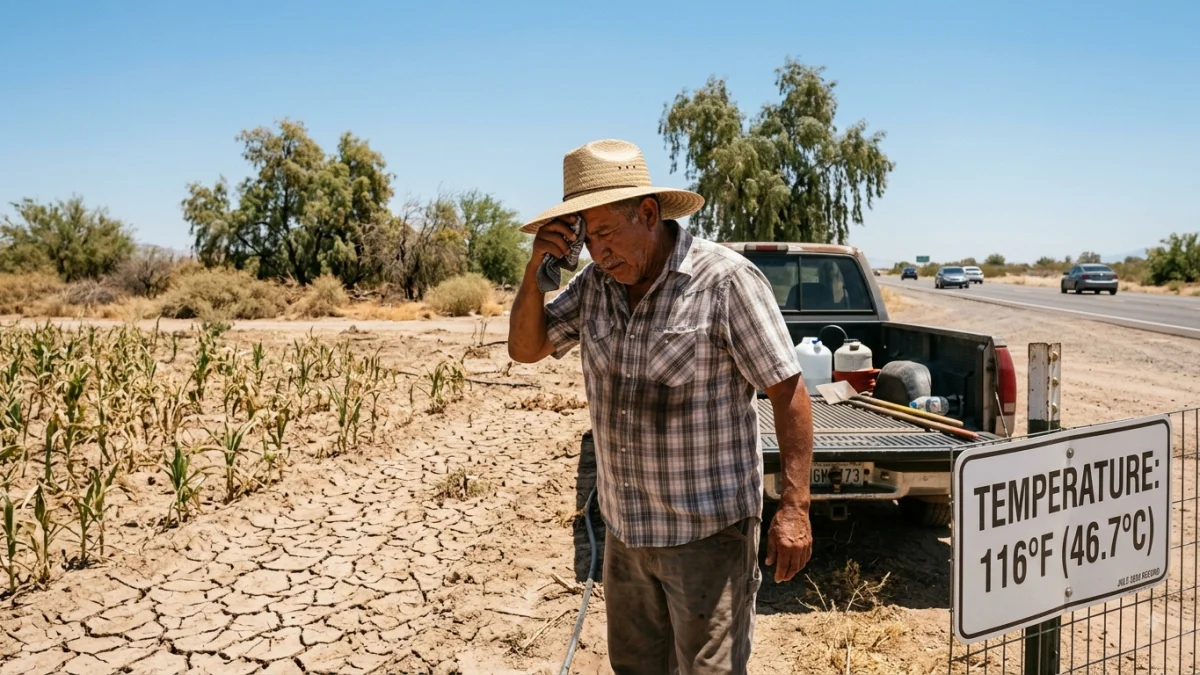
Meteorological agencies have linked the low river levels to persistent hot, dry weather affecting much of Europe. Austria recorded a national temperature record this week, while heat alerts remained in effect across several countries as forecasters warned that elevated temperatures would continue to strain electricity demand for air conditioning.
Water management authorities said they were closely monitoring river flows and expected only limited relief unless sustained rainfall develops across the Danube basin. Governments have said emergency conservation measures will remain in place while utilities continue to assess power generation and grid stability on a day-to-day basis.