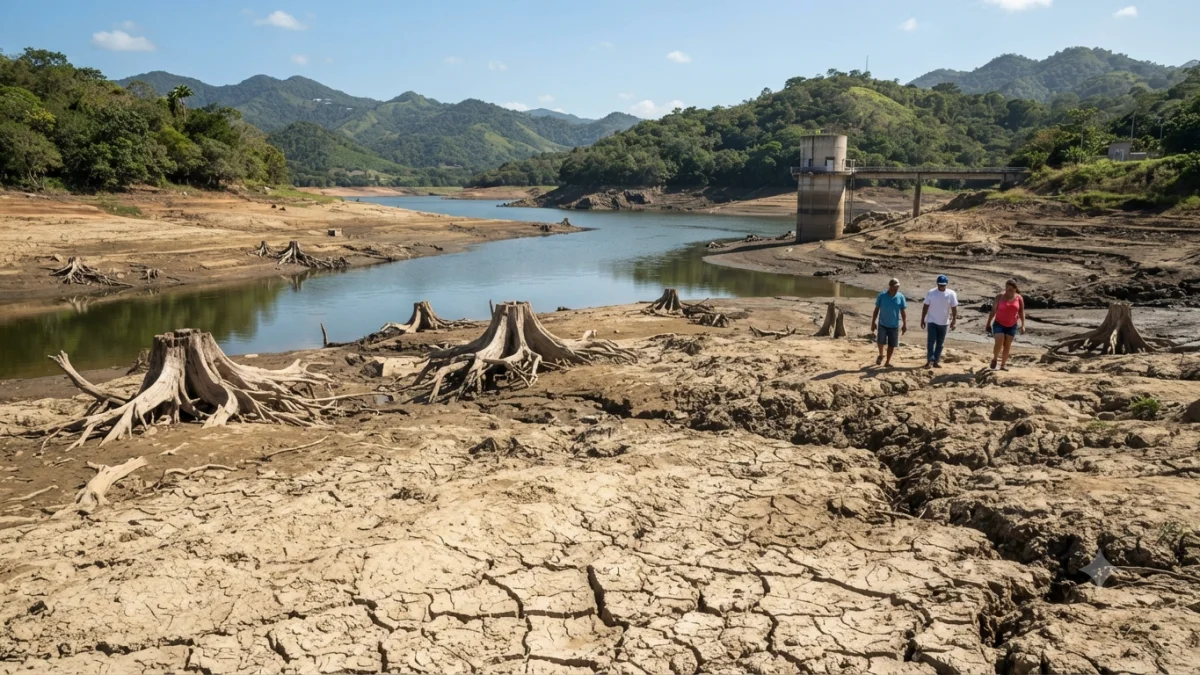


SAN JUAN — Puerto Rico has begun rotating water outages in parts of the island as critically low reservoir levels and prolonged drought threaten supplies, with authorities warning that restrictions could continue through at least the end of August.
The Puerto Rico Aqueduct and Sewer Authority began a 48-hour rotating rationing schedule on Friday, affecting residents in seven municipalities whose water systems depend on the Carraízo reservoir, including parts of the San Juan metropolitan area. Under the plan, affected areas alternate between periods with and without water service.


The authority has said the rationing will remain in place through at least Aug. 31, although the duration could change depending on rainfall and reservoir conditions. It has urged residents to conserve water and limit use to essential needs.
Carraízo is among several reservoirs that have fallen to levels requiring heightened operational measures as Puerto Rico faces an intensifying drought. The island's statistics office says reservoir monitoring tracks water levels and classifies conditions according to operational thresholds, including observation, adjustment, control and rationing.
A drought assessment published by the U.S. National Integrated Drought Information System in July said Puerto Rico had experienced significantly drier conditions through May, June and July, with declining river flows and critically low levels in some water bodies. It said several reservoirs had entered observation levels and groundwater levels were also falling, particularly in southern and southeastern areas.
July was the driest month on record in San Juan, according to Puerto Rico officials cited in the rationing announcement. Nearly 68% of the island was experiencing drought at the time, while weather forecasts pointed to further dry conditions.
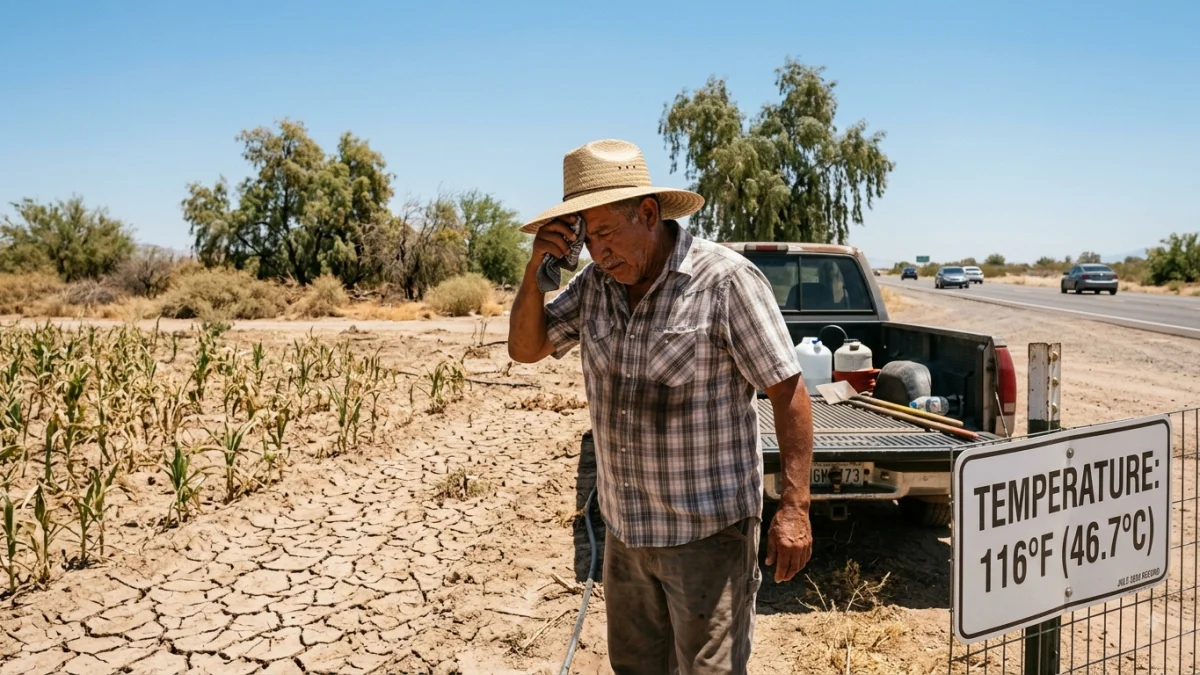
The drought has also affected agriculture. Federal drought officials reported declining reservoir levels in southern irrigation systems, with water rationing already imposed on agricultural users in southern districts. In the southwest, farmers were receiving water on a limited schedule, while flows in some streams had fallen well below normal.
The water authority has said tanker trucks will be used to supply essential facilities, including hospitals and care centers, during outages. Residents have also been advised to boil water after service resumes as a precaution.
Puerto Rico Governor Jenniffer Gonzalez said the government was monitoring reservoir levels and weather forecasts as officials assessed how long the restrictions would be necessary. Authorities have not announced an end date for the rationing beyond the current plan through August.