

Russia's latest large-scale missile and drone assault on Kyiv has become more than another episode in a prolonged war. The attack, one of the largest directed at the Ukrainian capital since Russia's full-scale invasion began in 2022, has highlighted the growing contest between Russia's expanding long-range strike capability and Ukraine's increasingly strained air defenses, while renewing questions about the pace and durability of Western military support.
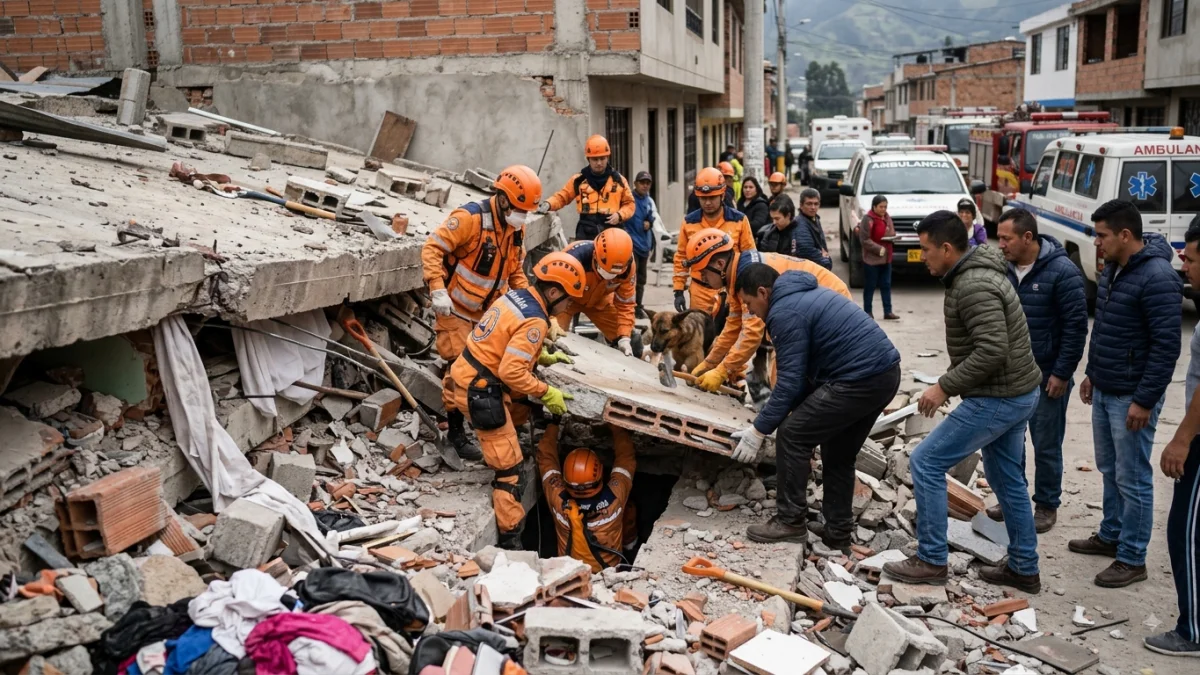
The scale of the attack illustrates an important shift in the conflict. Ukrainian authorities reported that Russia launched roughly 500 drones alongside more than 70 missiles in an overnight barrage that struck multiple districts of Kyiv, damaging residential buildings, medical facilities, research institutions and other civilian infrastructure. Although Ukrainian air defenses intercepted many incoming weapons, enough penetrated to cause significant casualties and widespread destruction, demonstrating both the saturation tactics employed by Russian forces and the limits of existing defensive systems.


The assault carries significance beyond the immediate humanitarian impact because it reflects the increasingly reciprocal nature of the long-range campaign. Ukrainian forces have expanded drone strikes deep inside Russian territory in recent months, targeting oil refineries, fuel depots and logistics infrastructure. Moscow has described its latest bombardment as retaliation for those attacks, while maintaining that it struck military-related objectives. Ukrainian officials and international observers have continued to report extensive damage to civilian areas, underscoring the persistent disagreement over the character and legality of such operations.
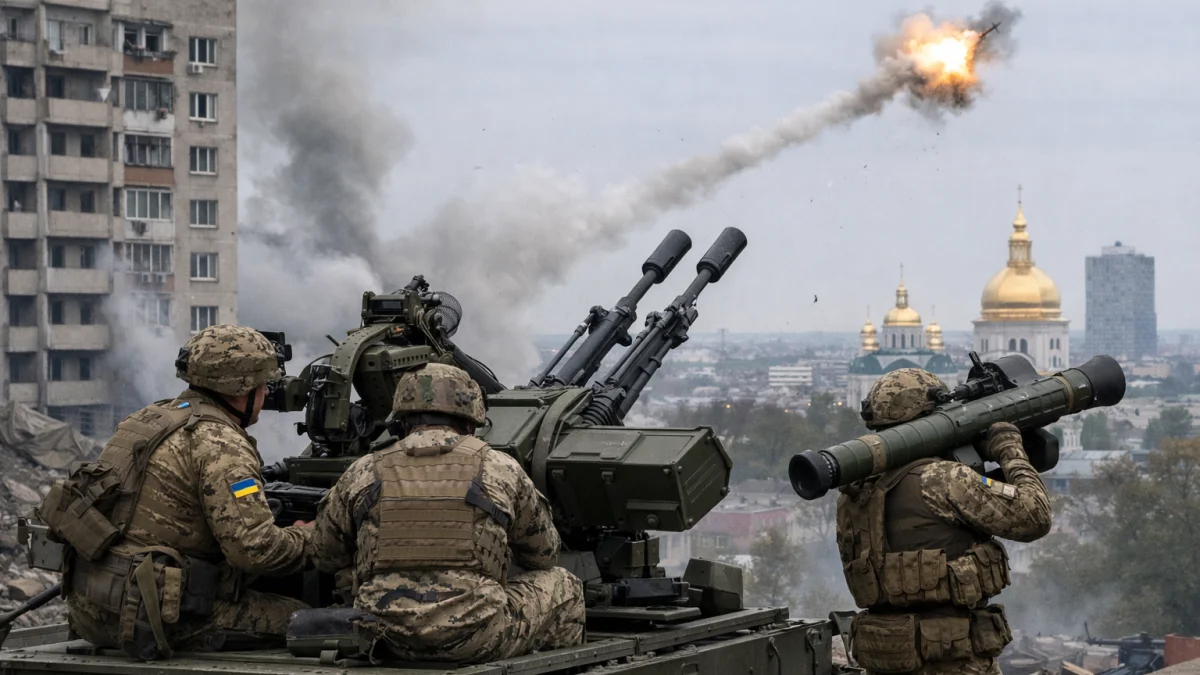
For Ukraine, the attack reinforces a strategic reality that has become more pronounced during the fifth year of the war. Kyiv has steadily improved its own long-range strike capabilities, allowing it to impose growing costs on Russia's military logistics and energy sector. However, offensive success has not eliminated Ukraine's dependence on advanced Western air defense systems to protect major cities against combined missile and drone attacks. President Volodymyr Zelenskiy again argued that faster delivery of additional air defense assets could reduce civilian casualties and improve the country's defensive resilience.
The latest assault also highlights Russia's adaptation of its strike strategy. Rather than relying solely on cruise or ballistic missiles, Russian forces increasingly combine multiple weapon types—including large numbers of attack drones—to complicate interception efforts. Military analysts have noted throughout the conflict that saturation attacks seek to exhaust interceptor inventories, overwhelm command-and-control systems and increase the probability that some weapons will evade defenses even when interception rates remain high. The latest operation appears consistent with that broader pattern.
The implications extend to Ukraine's international partners. Air defense has become one of the most politically sensitive aspects of Western assistance because advanced systems require not only delivery but also sustained supplies of expensive interceptor missiles. The latest attack is likely to strengthen Kyiv's argument that maintaining defensive capabilities requires continuous replenishment rather than one-time commitments. European governments have already called for additional pressure on Russia through sanctions while reaffirming support for Ukraine's defense needs.
For Western governments, the challenge is increasingly one of sustainability. Ukraine's requirements include interceptors, radar systems, maintenance, training and industrial production capacity. At the same time, many supporting countries continue balancing assistance to Ukraine against their own defense readiness and procurement timelines. The latest attack therefore serves as another reminder that the conflict has evolved into a prolonged competition involving industrial capacity as much as battlefield maneuver.
The attack also illustrates how both sides continue to widen the geographic scope of the war. While Russia maintains pressure through large-scale aerial bombardment, Ukraine has sought to demonstrate that Russian territory is no longer insulated from the conflict by conducting increasingly sophisticated drone operations against strategic infrastructure. Neither approach has produced a decisive military breakthrough, but each has expanded the conflict's economic and political dimensions while increasing pressure on civilian populations.
Diplomatically, the renewed escalation underscores the limited progress toward ending the conflict. Previous efforts to secure ceasefires or broader negotiations have produced little lasting movement, while military operations continue at high intensity. The latest exchange of long-range strikes suggests that both sides remain committed to pursuing military objectives even as diplomatic channels remain open in principle.
The broader significance of the assault therefore lies not only in its size but also in what it reveals about the current phase of the war. Russia continues to demonstrate the capacity to conduct large coordinated missile and drone operations despite years of sanctions and attrition. Ukraine continues to show resilience and growing long-range strike capabilities but remains dependent on foreign support for critical elements of its national air defense. The interaction between those two realities is becoming an increasingly important determinant of the conflict's trajectory.
As rescue operations continue and officials assess the full extent of the damage, governments and international organizations are monitoring casualty figures, infrastructure losses, additional Russian strike activity, the availability of Western air defense assistance and any developments in diplomatic efforts. While the immediate consequences of the assault are becoming clearer, the longer-term impact will depend on whether Ukraine's partners accelerate defensive support and whether the current cycle of reciprocal long-range attacks continues to intensify.