

KINSHASA — Scientists and health authorities in the Democratic Republic of the Congo are investigating the origins of an ongoing Ebola outbreak caused by the Bundibugyo virus, including efforts to identify the first case, known as patient zero.
Health officials confirmed the outbreak on May 15, 2026, in Ituri Province in northeastern DRC, where clusters of severe illness and deaths were first reported. The World Health Organization declared it a public health emergency of international concern on May 17. As of June 11, authorities have reported hundreds of confirmed cases and related deaths across multiple provinces, with the virus also detected in Uganda.


Investigators have focused on Mongbwalu and surrounding health zones in Ituri as potential early epicenters. A pastor's funeral in Mongbwalu in early 2026 has been examined as one possible superspreader event, though the pastor himself was not diagnosed with Ebola. Officials have also referenced the death of a nurse in Bunia in late April as a presumed early case.
"The uncertainty still surrounds how and where the outbreak started," WHO representative in DRC Dr. Anne Ancia said in May. "I don't think that we have the ‘patient zero’ for now."
Initial detection was delayed because local tests in Bunia initially returned negative results for the more common Zaire strain of Ebola. Further laboratory analysis by the National Institute of Biomedical Research confirmed the Bundibugyo virus, for which no approved vaccine or specific treatment currently exists.
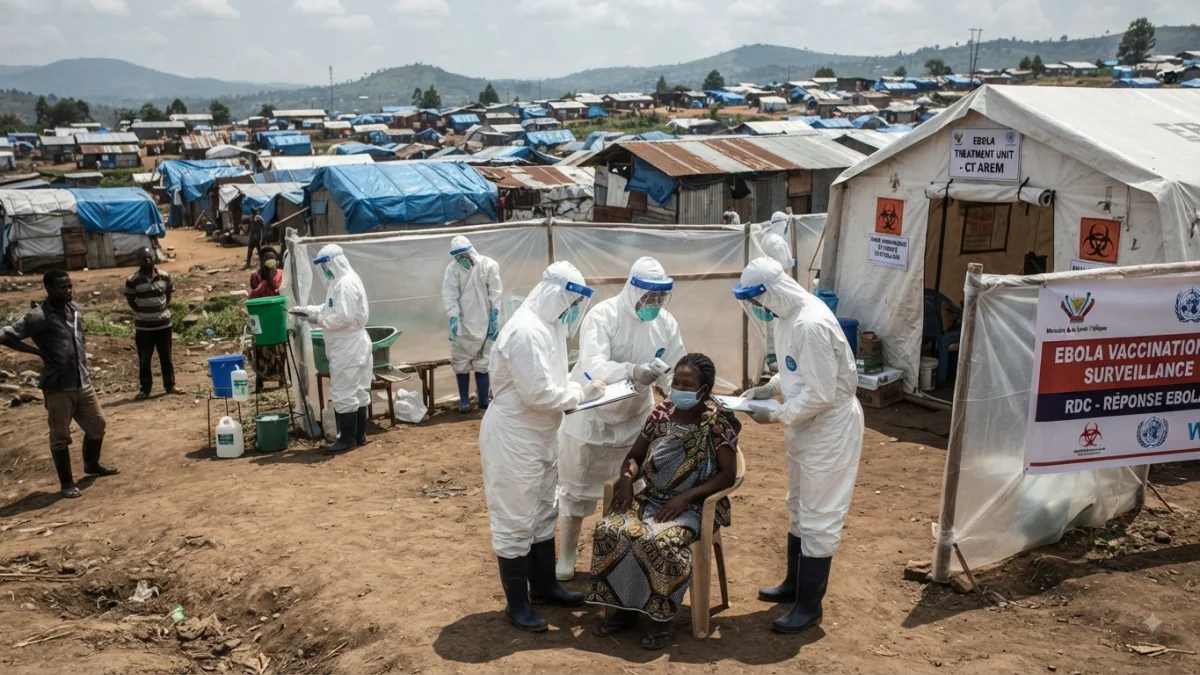
The outbreak has spread to multiple health zones in Ituri, North Kivu and South Kivu provinces. Response efforts face challenges including insecurity, population movement linked to mining activities, and limited contact tracing. International partners, including the WHO, Doctors Without Borders and others, are supporting surveillance, isolation facilities and laboratory capacity.
As of early June, confirmed case counts had risen significantly, with health authorities reporting new cases daily. Uganda has recorded additional cases linked to travel from DRC, though transmission there appears limited.
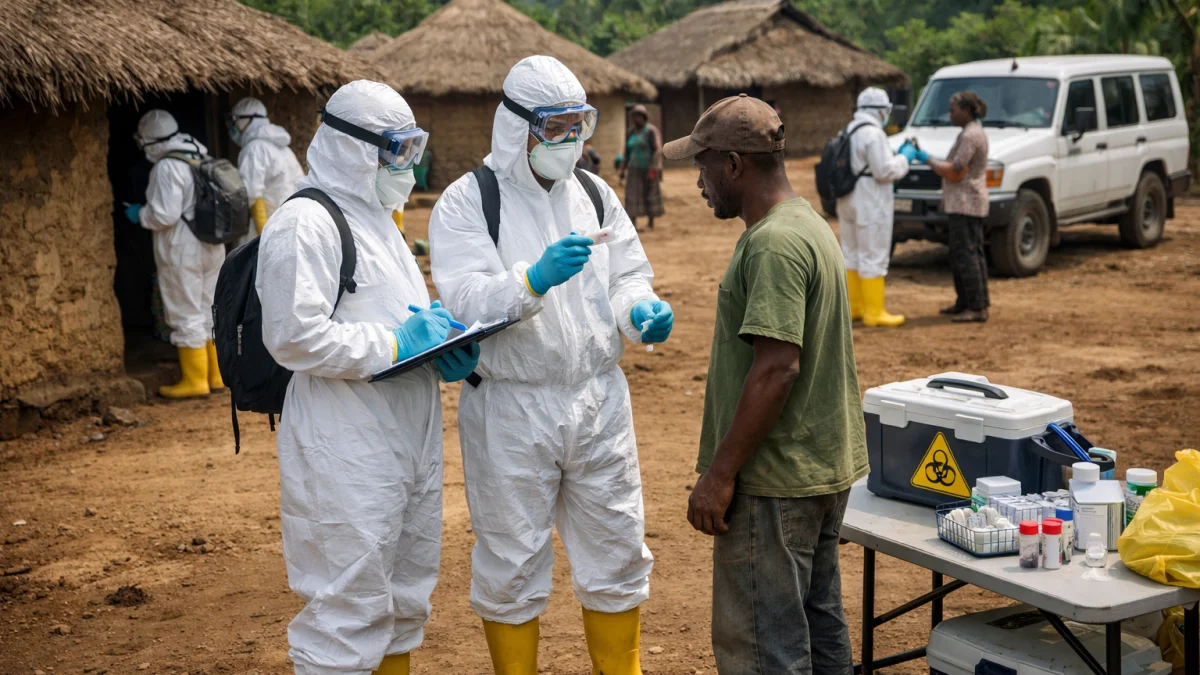
Scientists continue fieldwork in affected communities to trace transmission chains and pinpoint the index case. Details on the precise origin remain unclear, officials said, as investigations rely on interviews, contact tracing and epidemiological analysis.
The Congolese Ministry of Health and global partners are scaling up response measures, including enhanced screening and community engagement, amid the ongoing efforts to contain the spread.