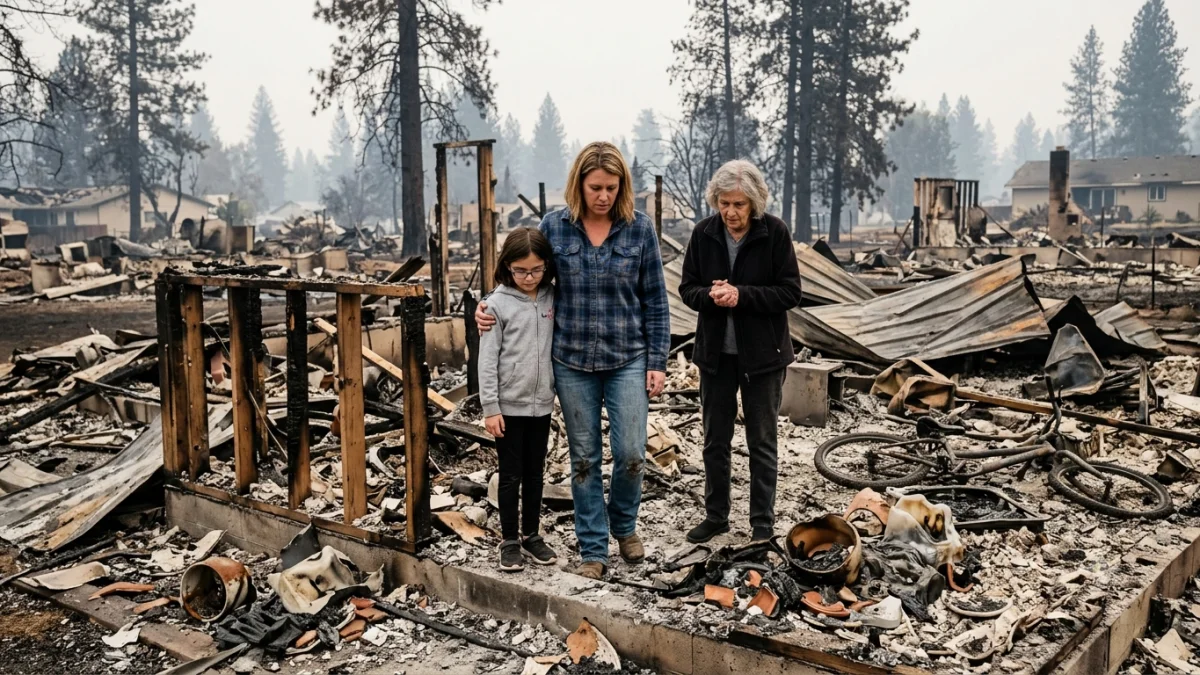


As residents began returning to neighborhoods on the outskirts of Spokane, many found familiar streets transformed into landscapes of ash, twisted metal and blackened foundations. Fire crews and emergency officials continued to restrict access to some of the hardest-hit areas, but where residents were allowed to return, the first task was often to search carefully through the remains of homes for anything that had survived the fast-moving wildfires that swept across eastern Washington over the weekend.
For thousands of families, the return marked the beginning of a different phase of the disaster. Evacuations that had unfolded under urgent warnings gave way to the slower work of assessing damage, contacting insurers, locating temporary housing and deciding how—or whether—to rebuild.


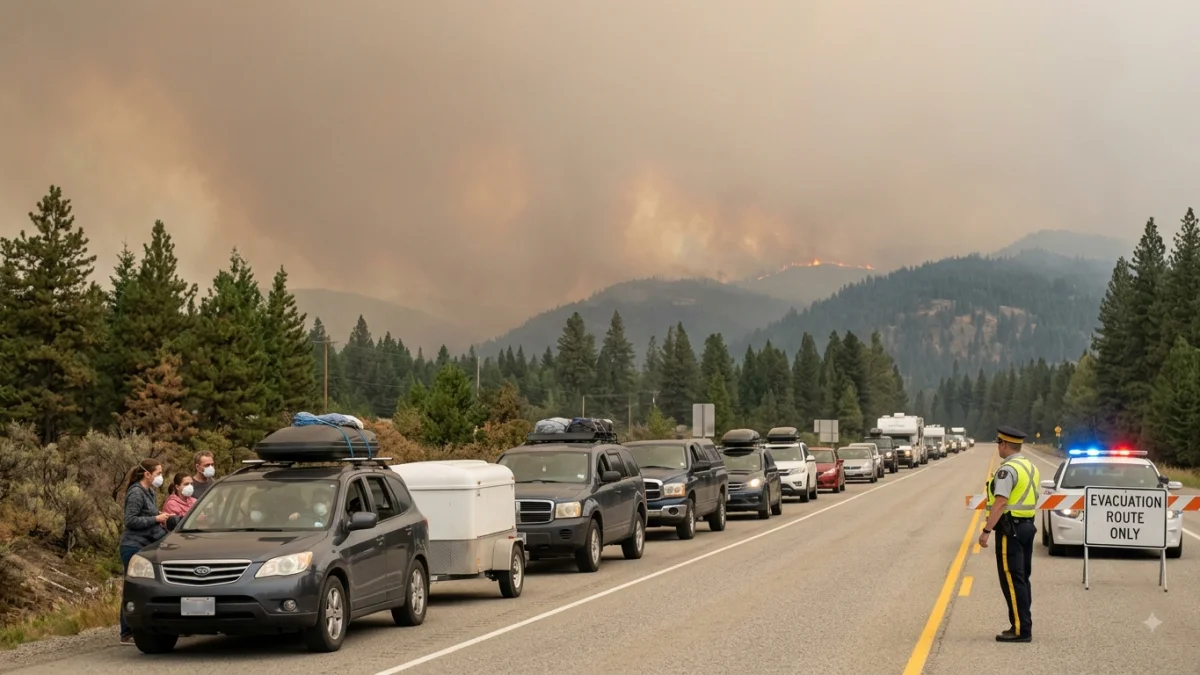
The destruction around Spokane has become one of the most severe wildfire disasters in Washington state in recent years. Authorities said more than 700 structures, including homes and businesses, had been destroyed as three major fires burned across more than 10,000 acres. Roughly 64,000 residents were ordered to evacuate while more than 1,100 firefighters battled the blazes, which remained largely uncontained as officials warned that dangerous fire conditions could return after a brief spell of cooler weather. According to local authorities, search efforts continued in damaged neighborhoods, with officials cautioning that the full extent of losses could take days to determine.
For residents, the numbers only partly describe the experience.
Emergency shelters, community centers and churches became gathering points where evacuees waited for updates while exchanging information about neighborhoods, missing pets and road closures. Volunteers collected food, clothing and household supplies as local organizations coordinated relief efforts for families who had left home with only a few belongings.
The uncertainty remained especially difficult for people whose neighborhoods were still inaccessible. Even where evacuation orders had been reduced, emergency officials urged residents not to enter burned areas until hazards such as unstable structures, damaged utility lines and lingering hot spots had been addressed.
Those precautions reflected lessons learned from previous large fires across the western United States, where recovery often extends far beyond extinguishing the flames. Burned properties require careful inspection before rebuilding can begin, while displaced families frequently face months of temporary housing and negotiations over insurance claims.
Spokane Mayor Lisa Brown described the fires as the worst natural disaster in the city's history, underscoring the scale of the challenge confronting local government as it prepares for long-term recovery. Governor Bob Ferguson declared a state of emergency and sought federal assistance as firefighting resources from across the country converged on eastern Washington.
The fires also exposed how rapidly wildfire risk has expanded into developed communities.
Officials said strong winds pushed flames from surrounding vegetation into residential neighborhoods, turning what began as wildland fires into destructive urban-edge fires. Homes, businesses and infrastructure lay directly in the path as fire spread across the landscape under exceptionally dry conditions.
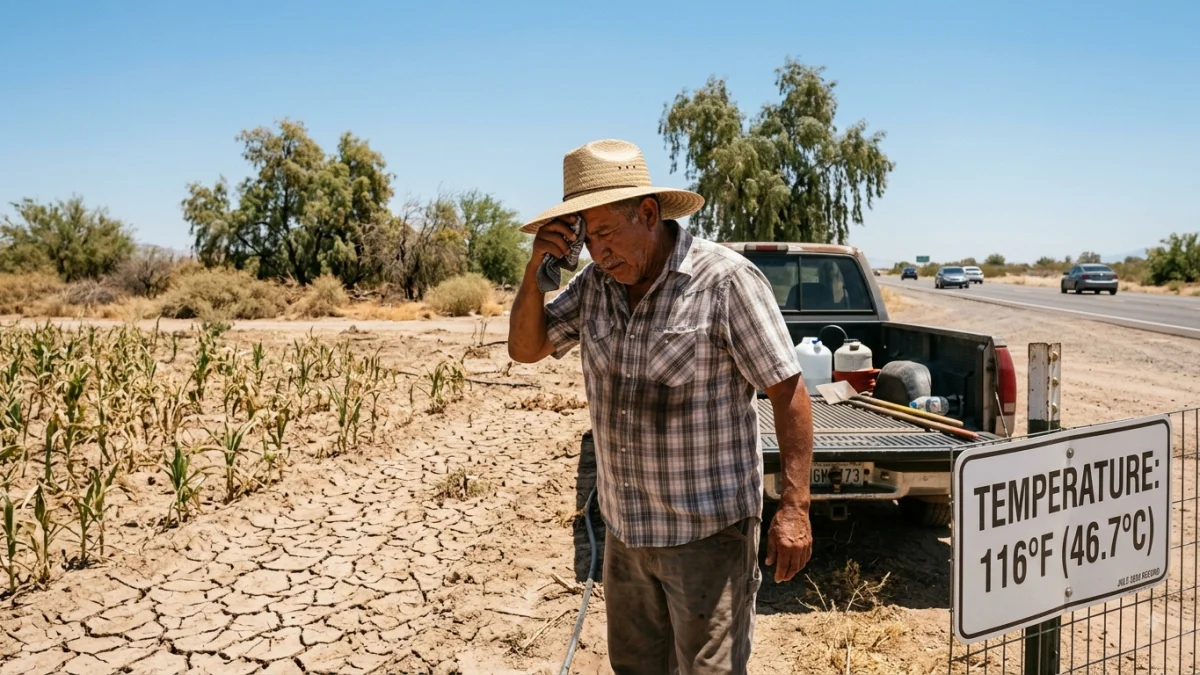
Scientists have long warned that prolonged drought, higher temperatures and changing weather patterns are increasing wildfire danger across much of the American West. The Spokane fires unfolded during an active national fire season, with more than 100 large fires burning across multiple states and millions of acres already scorched this year, according to federal wildfire officials.
For local residents, however, broader climate trends often become tangible only after disaster arrives at the doorstep.
Community support emerged quickly. Local charities, businesses and neighborhood groups organized donations while residents opened their homes to displaced neighbors. Social media became an informal network for sharing evacuation information, locating missing animals and directing people toward available assistance.
Authorities also continued investigating how the fires began. On Monday, law enforcement officers arrested a Spokane man on suspicion of first-degree arson in connection with the Old Trails Fire after investigators alleged he had intentionally ignited roadside grass. Officials said investigations into the origins of the other major fires remained ongoing.
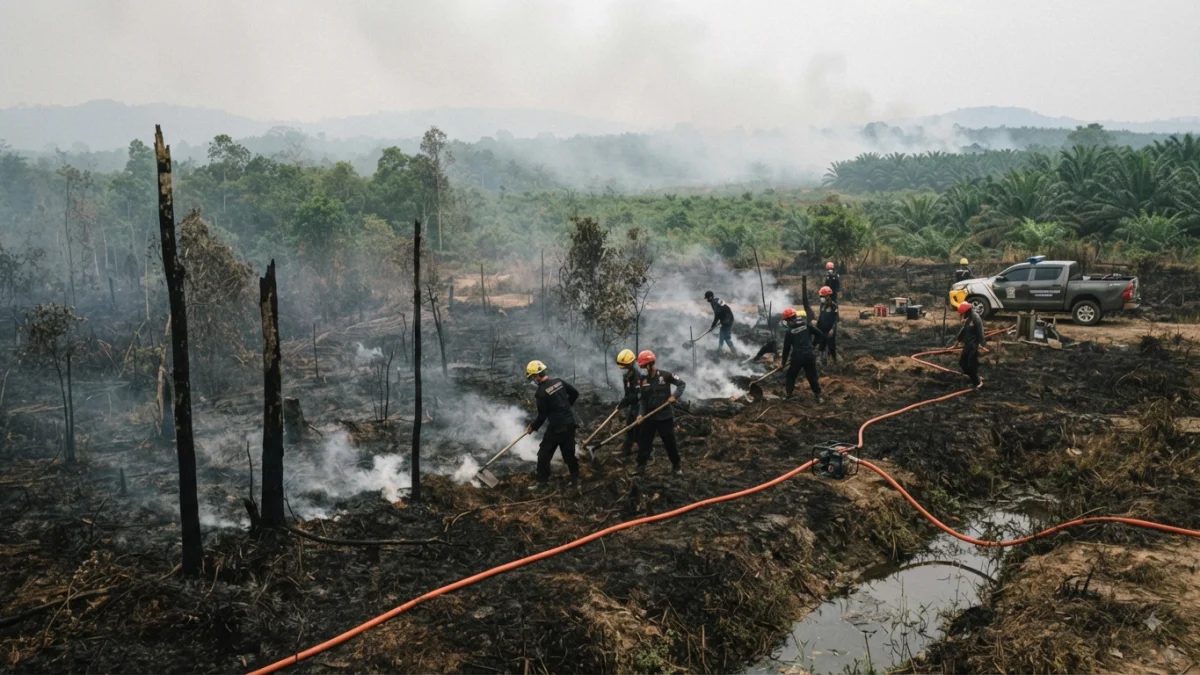
Even as investigators pursued answers, firefighters remained focused on preventing additional destruction. Officials said favorable weather had provided a temporary opportunity to strengthen containment lines, but warned that hotter, drier conditions forecast later in the week could complicate suppression efforts.
Recovery is expected to unfold over months and, for many families, years.
Insurance adjusters, utility crews and damage assessment teams will continue moving through affected neighborhoods as authorities determine which areas can safely reopen. Some homes may be repairable; others have been reduced to foundations and scattered debris.
For residents walking carefully through burned lots, the process has become intensely personal. Each recovered photograph, household keepsake or recognizable object offers evidence of lives that existed before the fire, even as entire neighborhoods confront the practical realities of rebuilding.
The fires have altered landscapes across Spokane's outskirts, but they have also highlighted the resilience—and vulnerability—of communities increasingly living with wildfire risk. As emergency officials continue damage assessments and firefighters work to contain the remaining blazes, families across the region are beginning the long task of transforming loss into recovery, one property and one neighborhood at a time.