

NEW YORK — Stock markets around the world rallied on Monday and Tuesday after a preliminary agreement between the United States and Iran raised expectations of a sustained ceasefire and the reopening of the Strait of Hormuz, a key global energy shipping route, according to market data and government statements. Oil prices fell sharply as investors anticipated improved energy supplies and reduced geopolitical risks.
Major U.S. indexes advanced on Monday, with the S&P 500 and Nasdaq reaching record highs, while European shares also climbed to record levels, according to Reuters and market operators. Investors reacted positively after U.S. President Donald Trump said a preliminary agreement had been signed with Iran to extend a ceasefire and begin broader negotiations. Details of the arrangement had not been fully released as of Tuesday.


The agreement is expected to include the phased reopening of the Strait of Hormuz, through which about one-fifth of global oil shipments normally pass, according to Reuters. Brent crude and U.S. crude futures both declined, extending losses recorded after the announcement. Oil settled near its lowest levels in several months as traders reduced the geopolitical risk premium that had built up during the conflict.
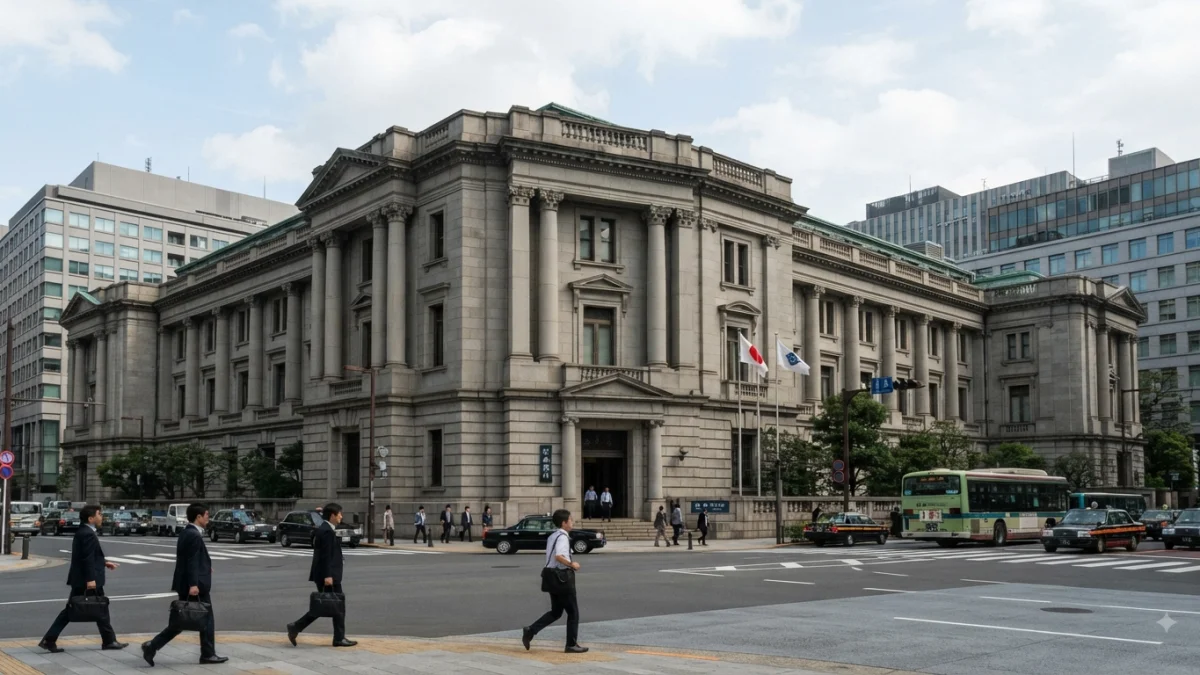
Asian markets also moved higher. Japan’s Nikkei index reached a record level after gains in technology and export-related shares, while South Korean equities rose and broader regional indexes advanced, according to Reuters. Market participants cited easing concerns about energy disruptions and inflation pressures.
In Europe, the pan-European STOXX 600 index reached a record high, with gains reported in Frankfurt, Paris, Madrid and Milan, according to market data. Investors also bought government bonds, reflecting expectations that lower energy costs could ease inflationary pressures.
“The market is responding to the peace deal,” Peter Cardillo, chief market economist at Spartan Capital Securities, told Reuters. Investors broadly welcomed signs that negotiations between Washington and Tehran could reduce tensions in the Gulf region and stabilize global trade flows.
Iranian and U.S. officials have indicated that negotiations on longer-term issues, including Iran’s nuclear program and sanctions relief, remain ongoing. Several governments participating in the Group of Seven summit in France said they supported diplomatic efforts but emphasized that details of a final settlement remained under discussion.
As of Tuesday, financial markets continued to trade higher in several regions, while oil prices remained under pressure. Officials from both countries said talks would continue, and details of the broader agreement remained unclear pending further negotiations.