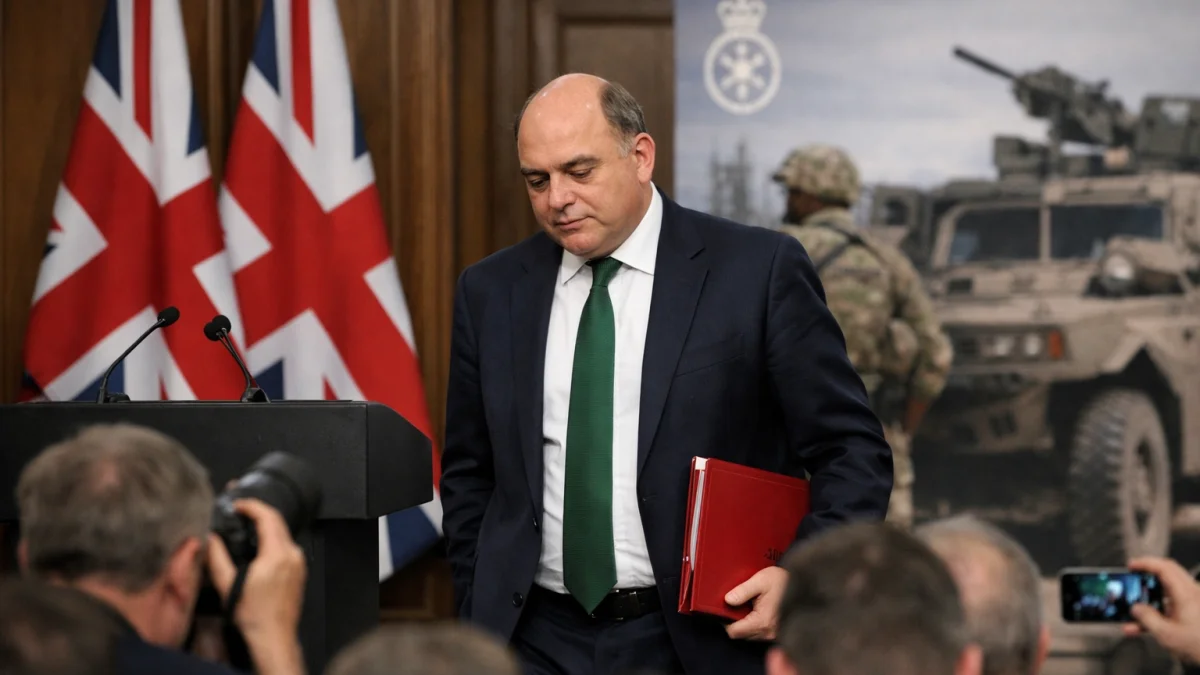


LONDON — British Defence Secretary John Healey resigned on Thursday citing insufficient government commitment to military spending, dealing a fresh blow to Prime Minister Keir Starmer’s administration amid ongoing disputes over the long-delayed Defence Investment Plan.
In a resignation letter addressed to Starmer and posted on social media, Healey accused the prime minister and the Treasury of failing to provide the resources needed to address rising threats. He stated that the proposed settlement for the Defence Investment Plan fell “well short of what is required for defence and the country at this dangerous time.”


Healey, who had served in the role since the Labour government took office, said he had no option but to step down after months of negotiations over funding levels. The plan had aimed to increase defence spending but faced delays and disagreements within the government.
Shortly after Healey’s announcement, Armed Forces Minister Al Carns also resigned, citing similar concerns about the government’s failure to adequately support the armed forces.
Starmer accepted the resignation and appointed Dan Jarvis, a former paratrooper and security minister, as the new defence secretary. In a response letter, Starmer expressed regret at Healey’s departure while reaffirming the government’s commitment to national security.
The resignations come as the UK faces pressure to meet NATO spending targets and modernise its military capabilities. Healey had pushed for higher investment, with reports indicating a funding gap of around £28 billion over several years in initial assessments.
Military leaders and defence experts have warned that current spending levels, projected at about 2.68% of GDP by 2030 under the government’s plans, may not suffice to address threats from Russia, China and other sources or meet longer-term goals such as 3.5% of GDP.
Opposition figures criticised the government’s handling of defence policy, while Labour supporters expressed concerns about internal divisions. The episode has intensified questions about Starmer’s leadership.
As of Thursday evening, Jarvis had begun his new role. The government said work on the Defence Investment Plan would continue, with further details expected in coming weeks. No immediate changes to overall defence policy were announced following the resignations.