

ATLANTA — U.S. cancer diagnosis rates show mixed trends across states, with overall incidence declining nationally in recent years but rising or stable in several states, according to new data from federal and nonprofit health agencies.
The American Cancer Society and Centers for Disease Control and Prevention released updated statistics projecting about 2.1 million new cancer cases in the United States in 2026. Age-adjusted incidence rates for all cancers combined have generally fallen over the past decade but vary significantly by geography.


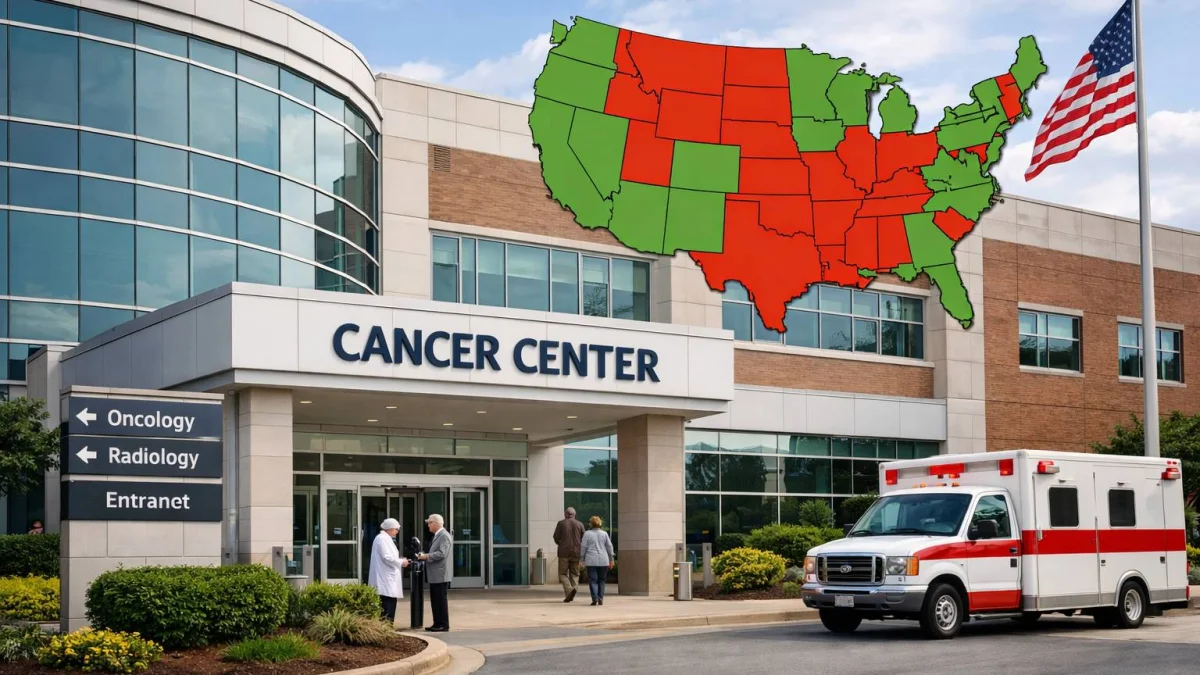
Kentucky reported the highest incidence rate at approximately 519 cases per 100,000 people during the 2018-2022 period, followed by Iowa and West Virginia. New Mexico had one of the lowest rates, around 350-367 per 100,000, officials said.
The national rate stood at about 449 per 100,000, with a recent five-year trend showing a decline. However, some states experienced increases or stability. Iowa saw rising rates, while others like Kentucky remained stable at high levels, data from State Cancer Profiles indicated.
“Overall cancer incidence has generally declined in men but has risen in women,” according to the American Cancer Society’s Cancer Statistics 2025 report, which informed projections for the following year.
Factors contributing to variations include differences in risk factors such as smoking prevalence, obesity rates, screening access, and demographics. Southern states often show higher rates linked to higher tobacco use and other lifestyle factors, while western states tend to have lower rates.
Prostate, breast, lung and colorectal cancers continue to account for a large share of diagnoses. Breast cancer incidence has risen in some groups, particularly among women, while lung cancer rates have declined due to reduced smoking but remain elevated in certain states.
Mortality rates have shown more consistent declines nationwide, attributed to better detection and treatments. Disparities persist, with higher mortality among certain racial and ethnic groups and in rural areas.
Health officials emphasized the importance of screening and prevention. Updated state-level data for 2026 projections highlight the need for targeted public health efforts. Details on new federal funding allocations tied specifically to these trends were not immediately available.
The Centers for Disease Control and Prevention and state registries continue to monitor incidence through comprehensive reporting systems. Further analysis of 2023-2025 data is expected in coming reports.