

WASHINGTON — U.S. inflation rose to 4.2 percent in May, the highest annual rate in more than three years, as the Federal Reserve considers its next steps on monetary policy amid persistent price pressures.
The Consumer Price Index for All Urban Consumers increased 4.2 percent over the 12 months ending in May, up from 3.8 percent in April, the Bureau of Labor Statistics reported on June 10. On a monthly basis, the index rose 0.5 percent after a 0.6 percent gain the prior month.


Energy prices drove much of the acceleration, jumping 23.5 percent over the year, with gasoline prices rising sharply. Food prices increased 3.1 percent, while core inflation, which excludes food and energy, rose to 2.9 percent from 2.8 percent.
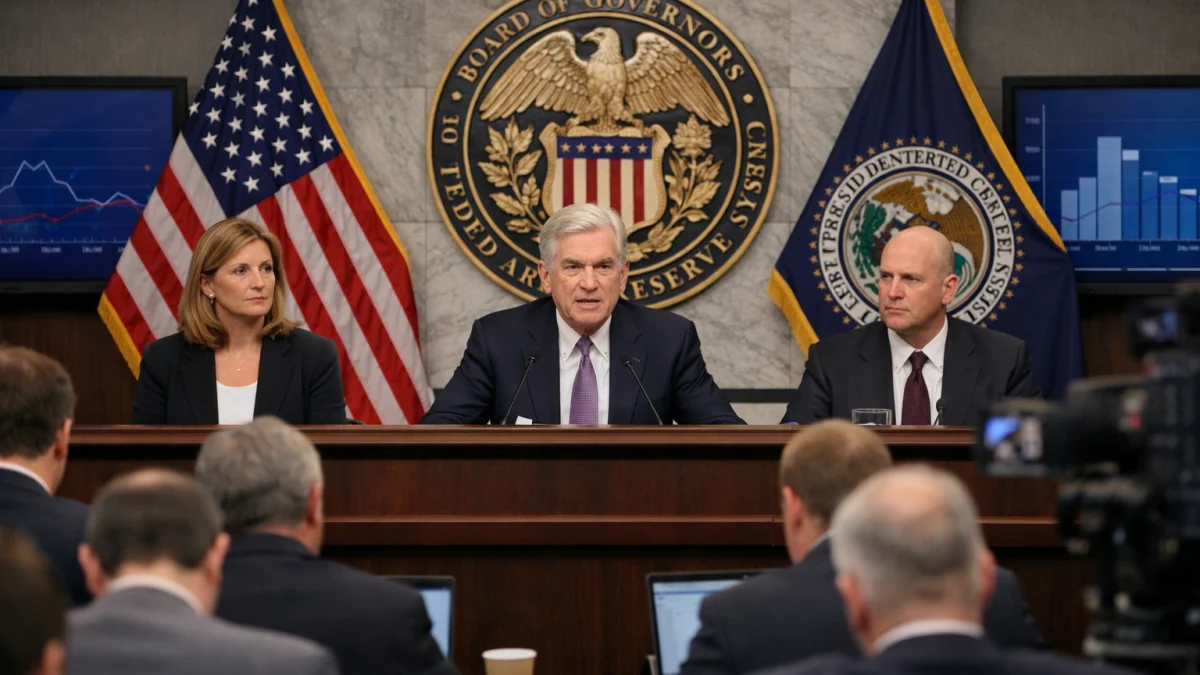
The data come as the Fed weighs whether to adjust its policy stance. Officials have maintained the target range for the federal funds rate at 3.5 percent to 3.75 percent in recent meetings. Minutes from prior sessions indicate that a majority of participants have highlighted the possibility that some policy firming could become appropriate if inflation remains persistently above the central bank's 2 percent target.
"Recent indicators suggest that economic activity has been expanding at a solid pace," the Fed said in an April statement. "Inflation is elevated, in part reflecting the recent increase in global energy prices."
Economists polled by Reuters in early June largely expected the Fed to hold rates steady through the rest of 2026, with some market pricing reflecting the potential for a hike later in the year or early 2027.
The uptick in inflation marks the third consecutive monthly acceleration in the headline rate. It follows a period in which inflation had moderated from peaks seen earlier in the decade but has been pushed higher by energy costs linked to international developments.
Shelter costs continued to rise, though at a slower pace in some categories, contributing to underlying pressures. The labor market has shown resilience, with recent jobs reports indicating steady gains.
Fed officials have stressed a data-dependent approach. In projections and communications, they continue to target a return to 2 percent inflation over the longer run while supporting maximum employment. Details on the timing of any potential policy adjustments remain unclear ahead of the next Federal Open Market Committee meeting.
The latest figures are likely to feature in discussions as policymakers assess the balance of risks to their dual mandate. No immediate rate decision is expected before the committee's upcoming gathering.