

Progress in U.S.-Iran negotiations has raised the strongest expectations in months that commercial traffic through the Strait of Hormuz could begin to recover, although officials on all sides continue to caution that no final agreement has been reached. Statements from U.S. President Donald Trump describing the discussions as productive, together with reports of ongoing mediation involving Oman and other Gulf states, have prompted financial markets to price in a reduced risk of prolonged disruption to one of the world's most strategically important maritime chokepoints.
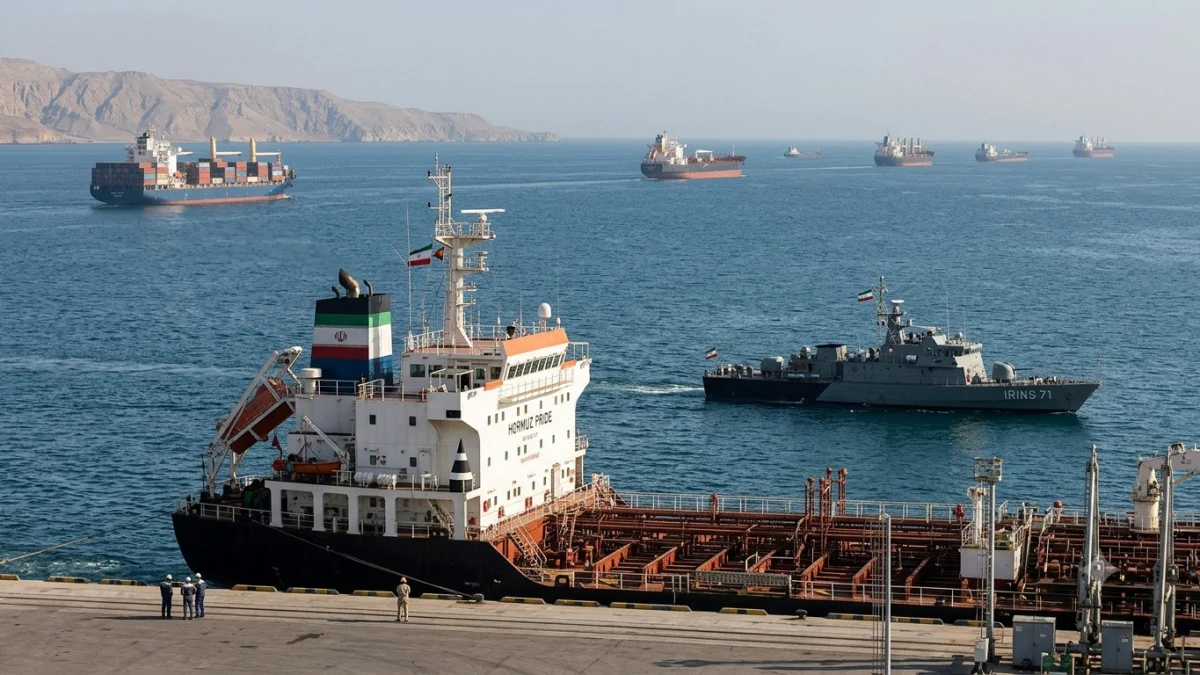
The significance of the diplomatic momentum extends well beyond the bilateral relationship between Washington and Tehran. The Strait of Hormuz carries a substantial share of globally traded crude oil and liquefied natural gas, making its security central to energy markets, inflation expectations, shipping costs and the economic outlook of both energy-importing and energy-exporting countries. Any credible prospect of restoring normal navigation has immediate implications for commodity prices, insurance premiums and global supply chains, even before vessels return to regular operating schedules.


Recent market reactions illustrate how closely investors are linking diplomatic developments to economic expectations. Oil prices declined sharply after U.S. officials expressed optimism that negotiations were advancing, reflecting expectations that additional Gulf exports could reach international markets if shipping disruptions ease. However, subsequent price volatility also demonstrated that traders remain unconvinced a durable agreement is imminent, with negotiations still facing significant political and security obstacles.
According to Reuters and other verified reporting, discussions have focused on an interim arrangement that could reopen shipping lanes while providing additional time for broader negotiations on the conflict and Iran's nuclear programme. Reports indicate Oman has continued to play a central mediating role, with Qatar and other regional governments also supporting diplomatic efforts aimed at reducing military tensions.
Even so, the remaining differences underscore why markets and governments have stopped short of assuming a breakthrough is guaranteed. Iranian officials have publicly maintained that negotiations remain incomplete and have rejected suggestions that an agreement is already finalized. At the same time, U.S. officials have emphasized that freedom of navigation through the waterway remains a fundamental objective while resisting proposals that could imply Iranian control over international shipping routes.
The structure of any reopening agreement has therefore become almost as important as the reopening itself. Reports indicate negotiators have discussed temporary shipping arrangements involving Iranian and Omani territorial waters, alongside security mechanisms intended to reassure commercial operators that vessels can transit safely. Those proposals remain under negotiation, with questions surrounding inspection procedures, security responsibilities, transit fees and broader sanctions-related issues still unresolved.
The diplomatic effort also reflects recognition among regional governments that prolonged instability in the Gulf imposes costs extending far beyond the immediate conflict. Higher shipping insurance, disrupted tanker schedules and uncertainty over future energy supplies have affected both producers and consumers. Gulf states have therefore had strong incentives to encourage de-escalation while attempting to preserve regional stability and protect critical export infrastructure.
For Washington, progress in the talks would represent more than a maritime security achievement. A reopening of Hormuz could reduce pressure from elevated energy prices while creating space for renewed diplomacy on issues that remain unresolved, including Iran's nuclear activities and wider regional security concerns. For Tehran, restoring commercial navigation could ease economic pressure created by disrupted trade while demonstrating that diplomacy remains capable of producing tangible economic benefits without requiring immediate resolution of every outstanding dispute. Those broader objectives help explain why negotiations have continued despite repeated setbacks over recent months.
Nevertheless, recent events have demonstrated how fragile the negotiating environment remains. Reports of attacks on commercial vessels and continued disagreements over maritime security have highlighted the possibility that isolated incidents could quickly undermine diplomatic progress. Analysts have noted that previous understandings failed after renewed hostilities, making governments and commercial shipping companies cautious about assuming that any interim arrangement will automatically produce lasting stability.
Another important consideration is implementation. Even if negotiators finalize an agreement, restoring confidence among shipping companies, insurers and energy traders is likely to take time. Commercial operators typically require evidence that navigation routes are secure before returning vessels to normal operating patterns, meaning a formal political agreement would represent only the first stage of broader normalization. That distinction explains why energy markets have responded positively to diplomatic progress while continuing to reflect considerable uncertainty.
The latest verified developments therefore suggest that negotiations have advanced further than in recent weeks and have improved prospects for at least a partial reopening of the Strait of Hormuz. However, officials continue to describe the process as incomplete, with unresolved issues concerning maritime security, political guarantees and broader U.S.-Iran relations still under discussion. Governments, shipping companies and energy markets are now closely monitoring whether negotiators can convert the current diplomatic momentum into a formally agreed framework capable of restoring sustained commercial navigation through one of the world's most strategically important waterways.