

MUSCAT — Commercial vessel traffic has begun moving cautiously through the Strait of Hormuz after weeks of severe disruption, maritime authorities and shipping data providers said on Wednesday, as international efforts continue to ease congestion in one of the world's most important energy transit routes.
The resumption follows the implementation of a United Nations-backed evacuation and transit scheme coordinated by the International Maritime Organization (IMO), Oman, the United States, Iran and other regional stakeholders, according to maritime officials. The initiative is intended to allow ships stranded by recent regional tensions to exit the Gulf safely while reducing navigational risks in the narrow waterway.


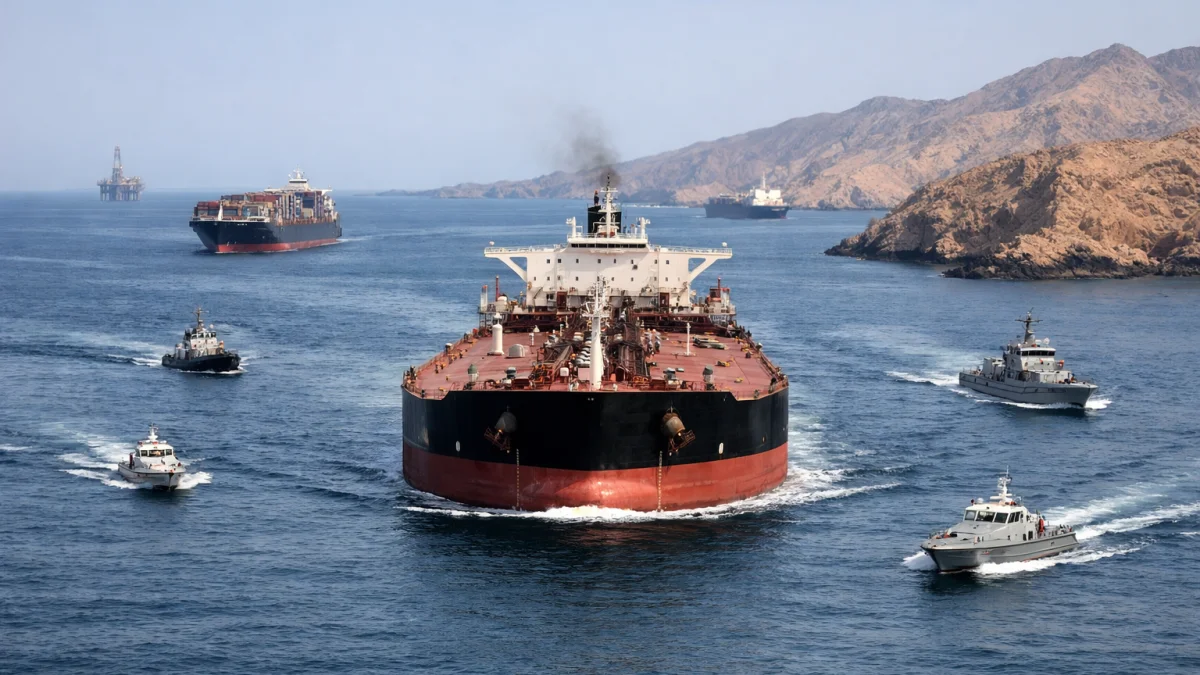
The IMO said several vessels had already departed under the program, though it did not disclose operational details. Shipping data from LSEG and MarineTraffic showed that multiple cargo and bulk vessels transited the strait during the past day, while dozens of additional ships were preparing for passage. Maritime authorities established designated routes through northern and southern sections of the waterway to manage traffic flows and avoid congestion.
Oil shipments also showed signs of recovery. Shipping data indicated that several crude tankers carrying Middle Eastern oil had exited the strait on Wednesday, including vessels bound for Asian markets. According to Reuters reporting, some of the tankers had been stranded during the disruption and were among a larger group awaiting clearance to sail.
“The operation has started and ships are moving,” the IMO said in a statement outlining the evacuation framework, emphasizing that vessel operators should await official instructions before entering designated transit corridors.
Despite the renewed movement, maritime industry groups cautioned that traffic remains well below normal levels. Allianz Research said approximately 1,150 cargo vessels and their freight were still awaiting safe passage through Gulf waters as of Wednesday. The insurer noted that international security guarantees would likely be required before shipping volumes return to historical averages.
The Strait of Hormuz, located between Oman and Iran, serves as a critical route for global energy exports. Industry estimates indicate that roughly one-fifth of the world's seaborne oil trade typically passes through the waterway. Recent disruptions contributed to delays in crude oil, liquefied natural gas and general cargo shipments, according to shipping and energy market data.
Regional governments have continued to coordinate maritime safety measures. Oman has maintained temporary navigation channels and transit arrangements intended to facilitate commercial shipping while broader diplomatic efforts continue, officials said.
As of Wednesday, vessel movements through the Strait of Hormuz had resumed on a limited basis, with maritime authorities continuing to oversee departures and monitor conditions along the route. Details on when traffic may return to normal levels remain unclear.