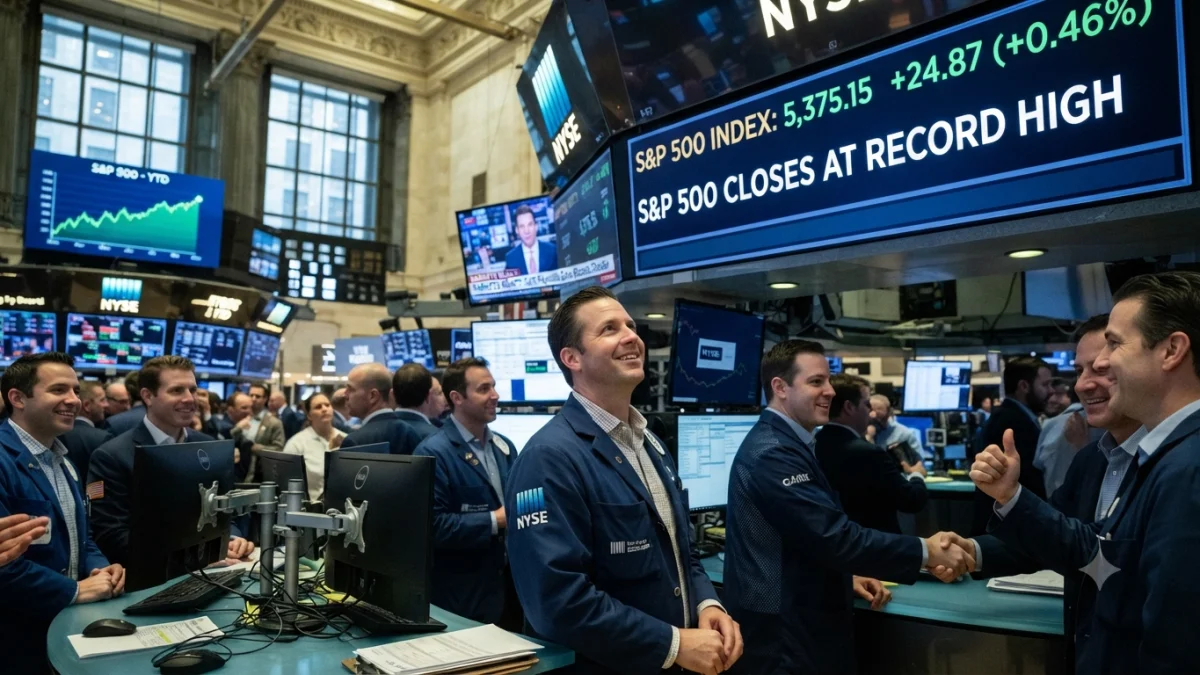


NEW YORK — U.S. stocks advanced on Friday, with the S&P 500 closing at a record high after data showed the economy unexpectedly shed jobs in July, easing expectations that the Federal Reserve would raise interest rates at its September meeting.
The Labor Department reported that nonfarm payrolls fell by 23,000 in July, sharply missing economists' expectations for an increase of 80,000. Job gains reported for May and June were also revised substantially lower.


The unemployment rate fell to 4.1% from 4.2% in June, but the decline reflected workers leaving the labor force rather than a broad improvement in employment, according to the report.
The weak labor-market figures reduced expectations for another Federal Reserve rate increase. Market-implied odds of a rate hike at the Fed's next meeting fell to about 44% from 55% a day earlier and 67% a week earlier, according to CME FedWatch data cited by Reuters.
The S&P 500 gained 47.68 points, or 0.62%, to 7,757.64, setting a record closing high. The Nasdaq Composite rose 1.30% to 26,690.62, while the Dow Jones Industrial Average added 0.28% to 54,036.93.
For the week, the S&P 500 advanced 3.58%, its strongest weekly performance since mid-April. The Nasdaq gained 5.19% and the Dow rose 2.96%.
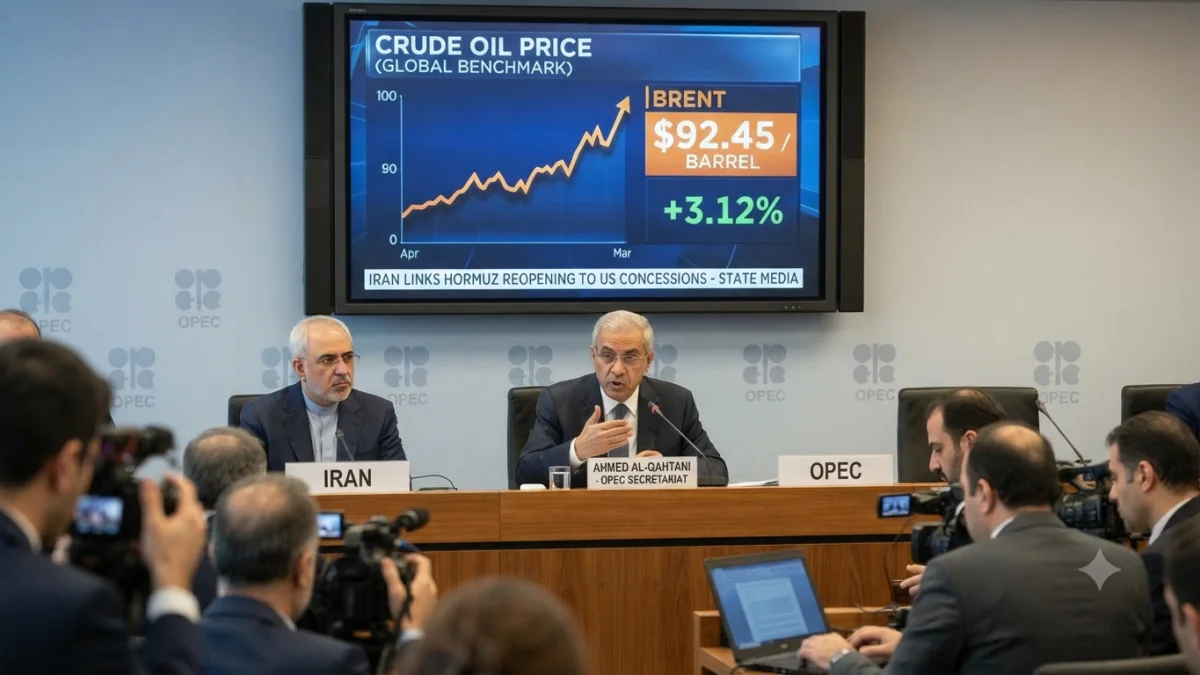
Investors also took encouragement from corporate earnings and easing oil prices. Progress toward a potential peace deal involving Iran had helped lower oil prices and Treasury yields, reducing some inflation concerns that could otherwise add pressure on the Fed to tighten policy, Reuters reported.
Earnings remained a key support for equities. Of the 436 S&P 500 companies that had reported results through Friday morning, 85.1% had exceeded analysts' expectations, according to LSEG data, compared with a long-term average of 68%.
The market's response underscored the competing signals facing policymakers: weaker employment could strengthen the case for lower interest rates, while persistent inflation could limit the Fed's room to ease policy.
Investors were set to turn to U.S. inflation data due Wednesday for further indications about the Federal Reserve's policy outlook.