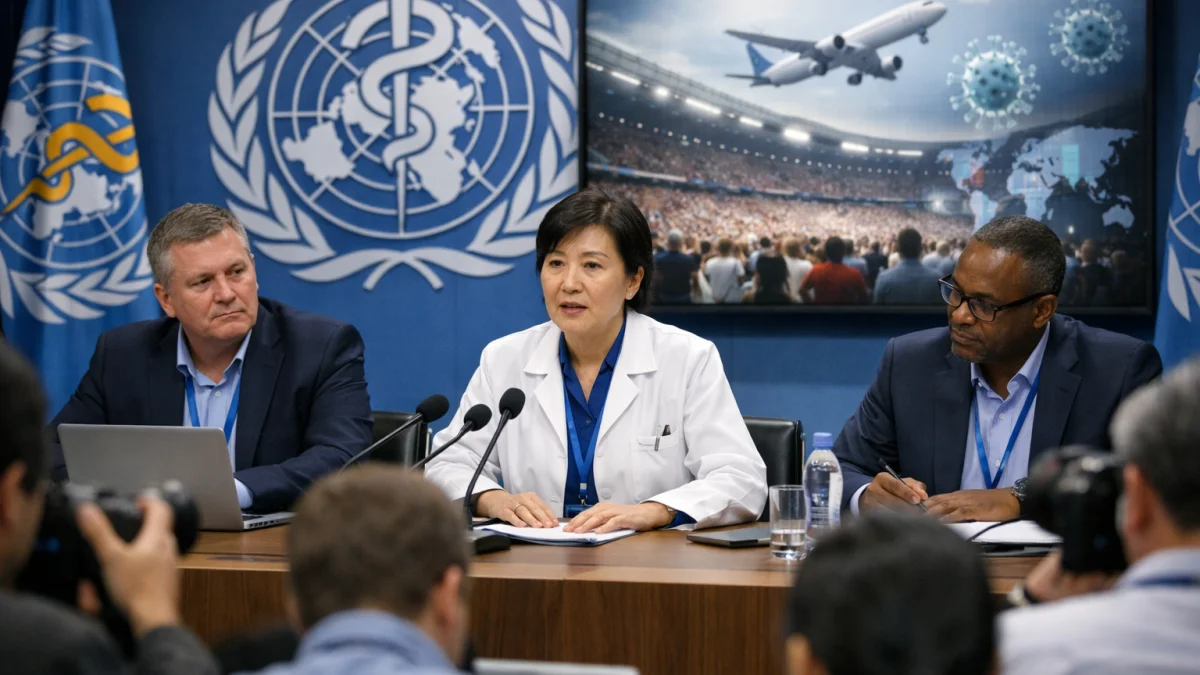


GENEVA — The World Health Organization is monitoring potential disease transmission risks as millions of international travelers converge on North America for the 2026 FIFA World Cup, according to health officials coordinating preparations for the mass gathering event.
The tournament, hosted jointly by Canada, Mexico and the United States, began earlier this month and is expected to draw large crowds to stadiums, fan zones and other venues across multiple cities through mid-July. PAHO, the Pan American Health Organization, has issued public health recommendations for travelers and attendees emphasizing vaccination and precautions against infectious diseases.


Key concerns include respiratory illnesses such as measles, influenza and COVID-19, which can spread in crowded settings. Measles has been highlighted as a particular risk due to ongoing outbreaks in some regions and its high contagiousness. Officials are also watching for gastrointestinal illnesses like norovirus and other crowd-related infections.
“Large gatherings can increase exposure to respiratory infections, foodborne diseases, heat, and injuries,” PAHO stated in its recommendations released ahead of the event.
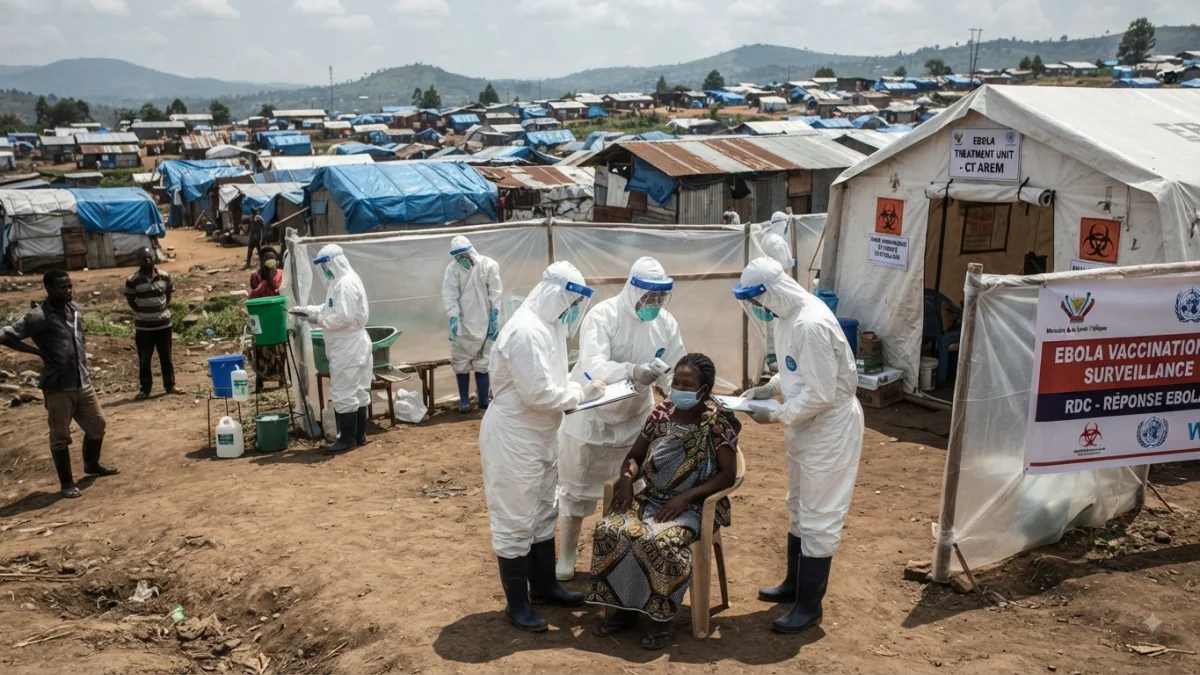
Health authorities in the host countries, along with international partners, have enhanced surveillance measures, including monitoring of wastewater, hospital data and social media for early signals of outbreaks. Enhanced screening at ports of entry has been implemented for certain high-consequence pathogens, though the risk of events such as Ebola importation remains low.
The World Cup is one of the largest mass gathering events, with fans traveling from around the world. Previous similar events have demonstrated the potential for disease amplification through international movement and close contact in stadiums, public transport and fan festivals.
Host nation officials and experts have stressed vaccination, hand hygiene and awareness of local health conditions. Some studies modeling potential impacts have assessed the overall additional risk to North American public health as limited compared to routine travel volumes, though localized clusters remain possible.
The WHO and PAHO continue to support host countries with technical guidance. Updates on any detected cases or clusters will be issued as the tournament progresses through its remaining matches. Details on the full scope of any confirmed transmissions linked specifically to World Cup travel were not immediately available.