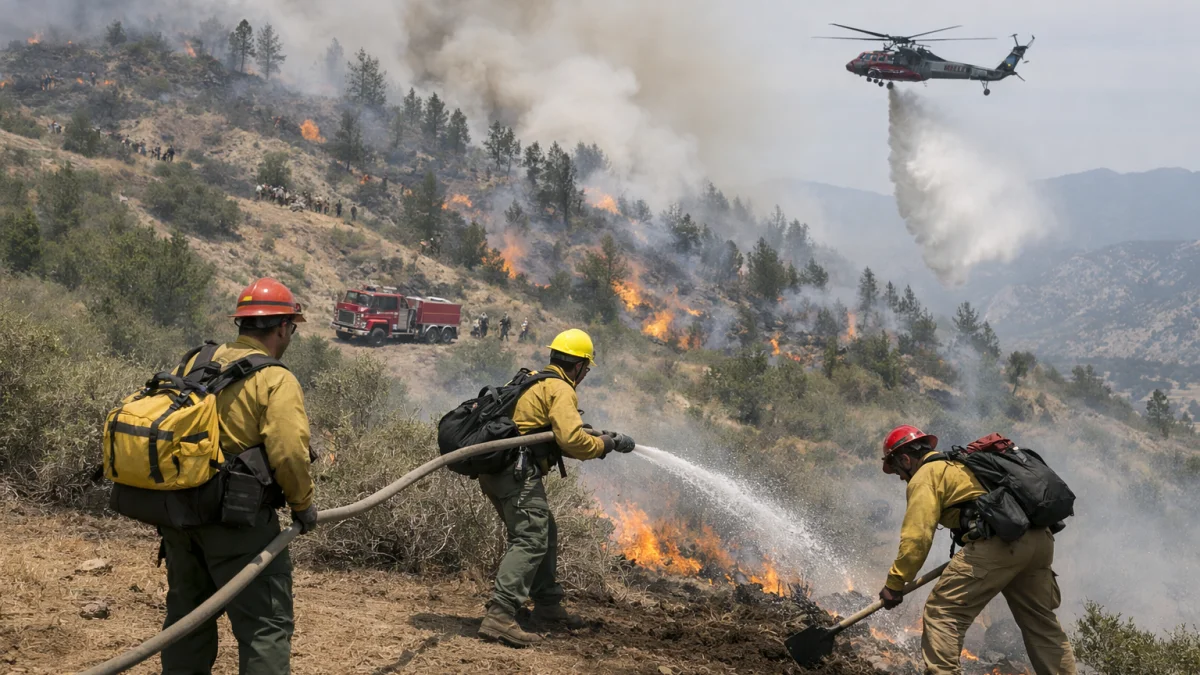


BOISE, Idaho—Firefighters intensified containment efforts across the western United States on Saturday as dozens of large wildfires continued to burn under hot, dry and windy conditions, with federal and state agencies deploying additional personnel and aircraft to protect communities and critical infrastructure.
The National Interagency Fire Center (NIFC) said firefighters were working to suppress 39 large fires nationwide as of July 10, with nearly 13,000 firefighters and support personnel assigned to incidents across multiple regions. The agency said two Modular Airborne Firefighting System (MAFFS) C-130 aircraft from the California Air National Guard had been deployed to support national firefighting operations.


NIFC said more than 38,500 wildfires had burned over 3.4 million acres across the United States so far in 2026, exceeding recent seasonal averages. The national wildfire preparedness level remained at Level 4 on the five-point scale, indicating high demand for firefighting resources.
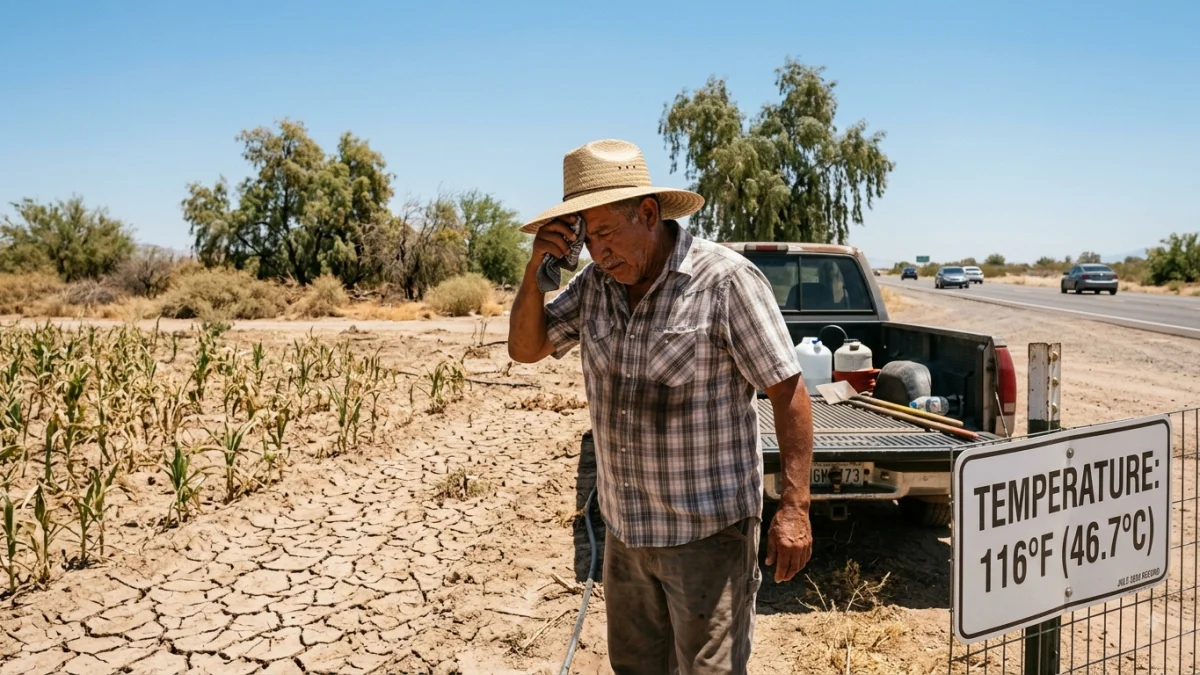
The heaviest activity remained concentrated across parts of the Great Basin, the Rocky Mountains and the Southwest, where prolonged drought, low humidity and gusty winds have contributed to rapid fire growth and challenging suppression conditions, according to federal fire officials.
In California, CAL FIRE reported multiple active incidents, including fires in Mariposa, Lassen and Riverside counties. Officials said containment varied by incident, with some fires approaching full containment while others remained only partially controlled as crews continued building containment lines and monitoring weather conditions.
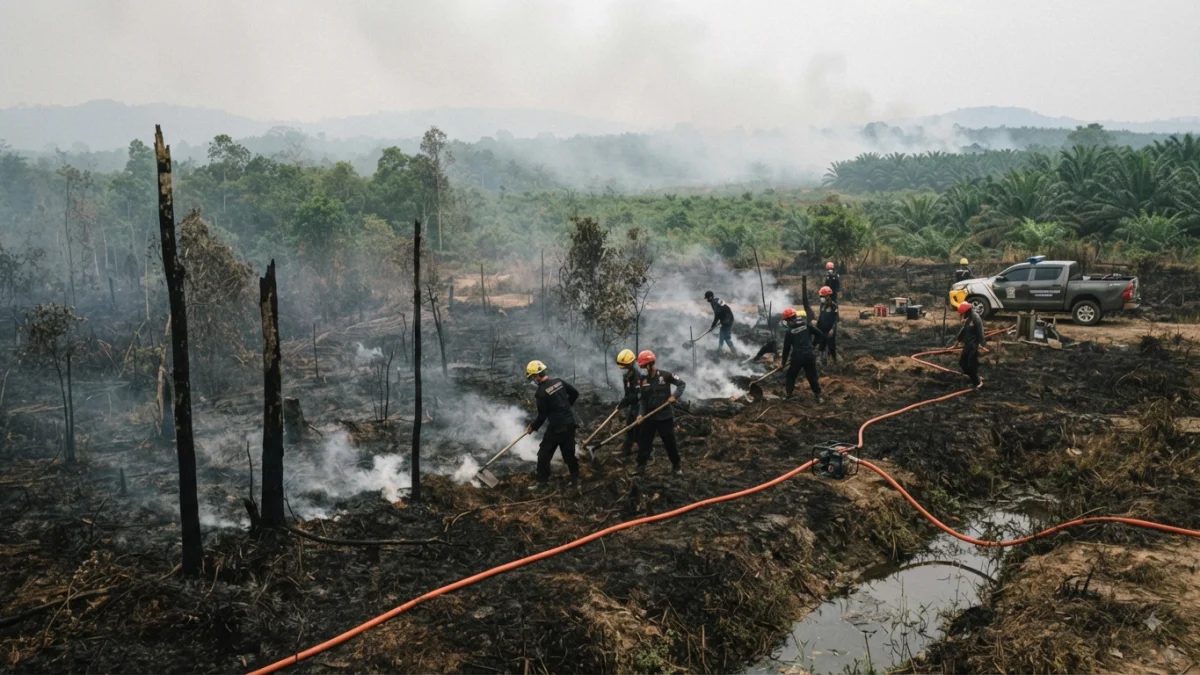
The U.S. Department of the Interior said recent operational measures have also focused on firefighter safety, including expanded use of respiratory protection and standardized decontamination practices to reduce smoke exposure during prolonged wildfire operations. Interior officials said the changes were developed jointly with the Department of Agriculture as fire crews face another demanding season.
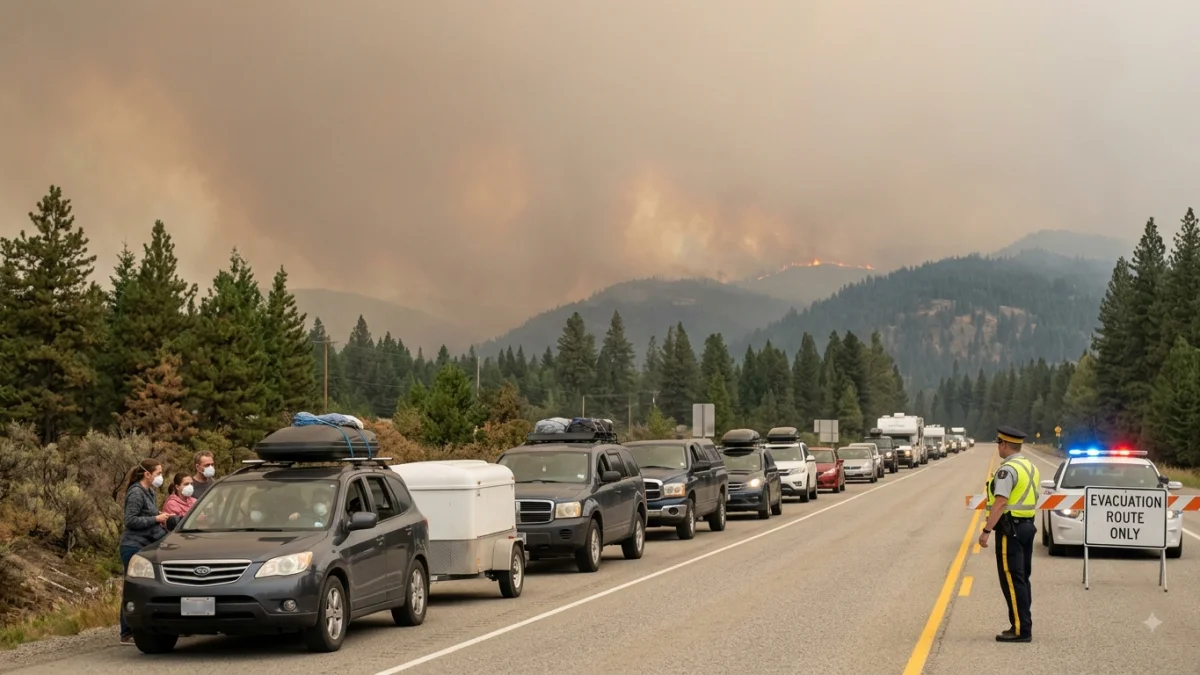
Emergency managers in several western states continued to urge residents in fire-prone areas to follow evacuation orders and monitor official alerts as weather conditions remained favorable for new fire starts and rapid fire spread. Federal officials also warned that human-caused ignitions remain a significant concern, particularly during periods of elevated fire danger.
Fire agencies said suppression efforts would continue in the coming days, with personnel, aircraft and heavy equipment positioned across affected states as forecasts called for continued warm temperatures and persistent fire weather in parts of the West.